

Britain’s Black History Month began in London in 1987, through the work of Ghanaian-born organizer Akyaaba Addai-Sebo and fellow campaigners, including Ansel Wong. Their purpose was not simply to add famous Black names to an annual calendar. It was to confront the exclusion of African and Caribbean history from public life and help Black children see themselves as people with a history worth knowing. Addai-Sebo later recalled a colleague’s distress after her young son asked why he could not be white—a question that exposed what schools and other institutions were failing to teach about identity and belonging.
While the United States marks Black History Month in February, Britain marks it in October. Thirty-nine years after the British celebration began, the 2026 theme, “Honouring Our Communities,” returns attention to the people whose daily work sustains Black life: teachers, caregivers, shopkeepers, artists, organizers, and families. The British spelling belongs to the official theme; the history behind it belongs to a much longer struggle over who gets recognized as British.
For American readers, the story is both familiar and different. Slavery and empire shaped it, but so did migration, citizenship, policing, and the institutions that decide whose knowledge matters. Black Britain was not simply created when a ship arrived in 1948. It is a history of neighborhoods, intellectual invention, cultural achievement, and people building lives together.
Black life before Windrush
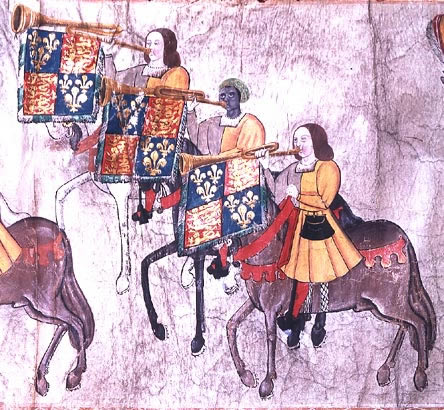
Black presence in Britain reaches back centuries. At the Tudor court, John Blanke worked as a trumpeter for Henry VII and Henry VIII. His appearance in the 1511 Westminster Tournament Roll and surviving pay records make him a documented participant in English public life, not a symbol inserted into it afterward. His story challenges the assumption that an exclusively white Britain existed until modern immigration.
By the eighteenth century, Black Londoners were writing, trading, making music, and participating in debates about freedom. Ignatius Sancho was a shopkeeper, composer, and correspondent. Olaudah Equiano’s autobiography, published in 1789, became an important intervention in the abolition movement. Their lives reveal people acting within British society while confronting a commercial empire enriched by enslavement.
Britain’s older Black communities were especially visible around maritime employment. Sailors from Africa and the Caribbean settled in ports including Liverpool, London, and Cardiff. Butetown, widely associated with Cardiff’s Tiger Bay, became a place of interracial households and international working-class connections. Boarding houses, families, and friendships created continuity that cannot be captured by a story beginning with a single postwar migration.
Those communities also faced organized hostility. In 1919, racist violence struck several port cities, including Cardiff and Liverpool. The National Archives documents attacks and official responses that included efforts to repatriate Black residents. Economic insecurity became an excuse for treating established people as outsiders. That pattern—labor welcomed when needed, belonging questioned afterward—would recur.
Black political and cultural networks developed before Windrush as well. Jamaican writer and broadcaster Una Marson worked at the BBC during the Second World War and helped develop Caribbean Voices, giving Caribbean literature a platform. In 1945, Manchester hosted the Fifth Pan-African Congress, bringing activists into a gathering central to anticolonial organizing. Britain was both an imperial center and a meeting place for people determined to dismantle imperial rule.
Windrush: arrival, work, and belonging
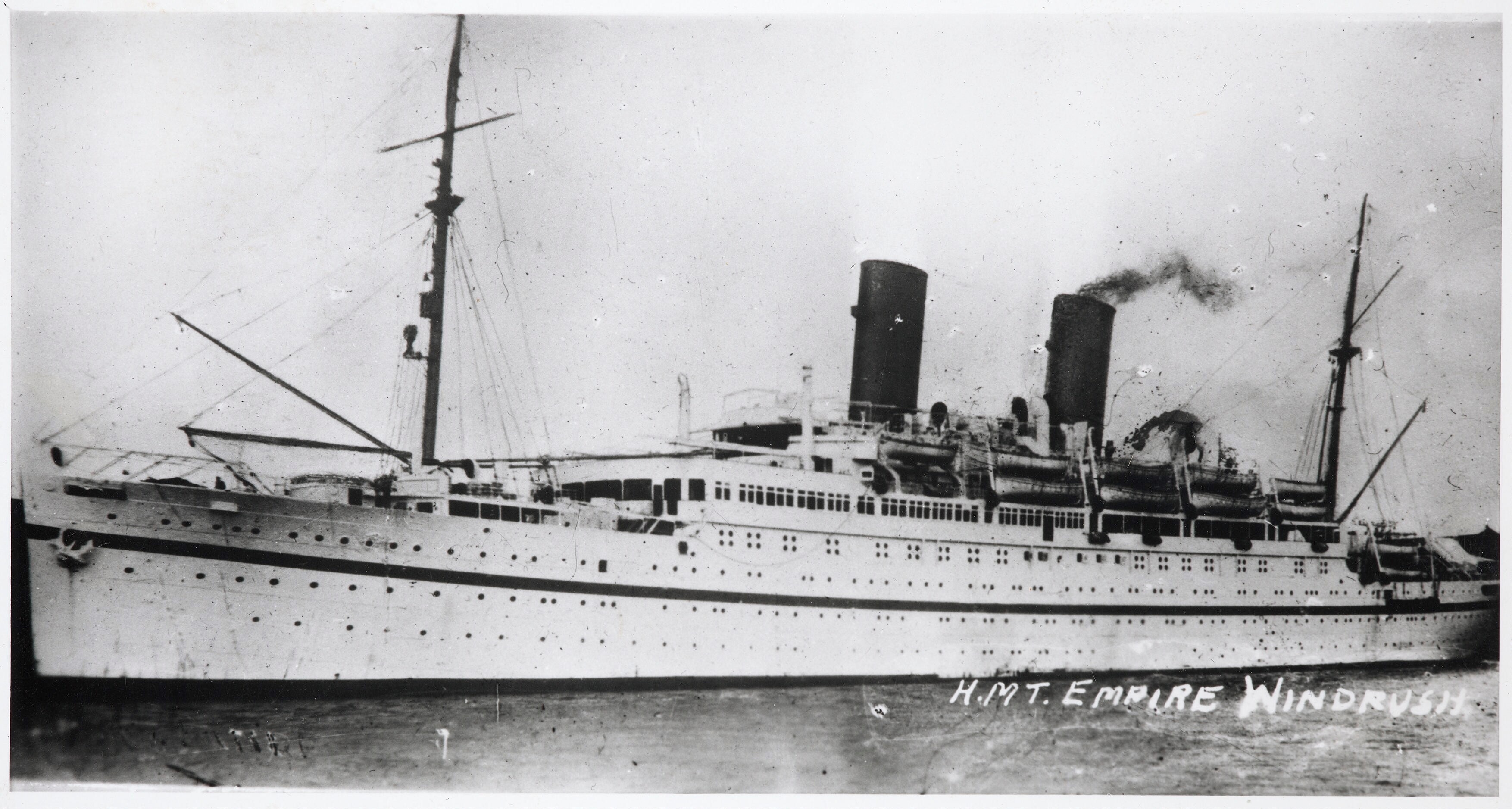
The Empire Windrush arrived at Tilbury in June 1948 carrying Caribbean passengers whose journey became an emblem of postwar settlement. They arrived as British subjects, not as people without a relationship to Britain. Empire had already tied their lives to the country. It is nevertheless too simple to say that every passenger had been individually invited by the government: the voyage brought together people with different plans and circumstances.
Caribbean migrants helped staff hospitals, transportation services, and industry. Yet work did not guarantee equal treatment. Discrimination in housing and employment—the British “color bar”—placed barriers in the path of people building ordinary lives. Rooms, jobs, and security could be withheld on racial grounds.
Communities answered exclusion with institutions of their own. Claudia Jones organized an indoor Caribbean carnival in 1959 after the racist violence of 1958. The event belongs to the cultural history from which later carnival traditions developed such as today’s outdoor Notting Hill Carnival. In Bristol, the 1963 bus boycott challenged the bus company’s refusal to employ Black and Asian crews. Organizers and supporters turned a local employment dispute into a national argument about racial equality.
Modern Black Britain: communities, neighborhoods, and numbers
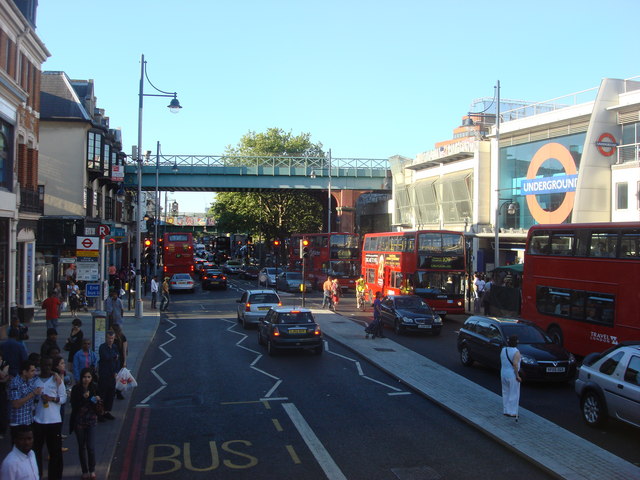
Brixton became one of the best-known centers of Caribbean Britain. Some Windrush passengers initially stayed in the Clapham South deep shelter, and nearby employment services helped connect the arrival story to the district. Over time, businesses, places of worship, markets, music, and political organizing made Brixton a community rather than merely a location on a map.
Peckham is another important South London center of Black life, particularly associated today with African and Caribbean businesses and cultural networks. Its significance is not interchangeable with Brixton’s. Brixton is a district within Lambeth; Peckham is within Southwark. Nearby Lewisham also belongs to South London’s broader Black social and cultural geography. Different migration histories and local institutions have produced connected but distinct places.
Modern Black Britain is not one community with a single migration story. It includes African and Caribbean communities, people whose families have lived in Britain for generations, newer arrivals, and people of mixed Black and white heritage. These identities can overlap: an African or Caribbean ethnic identity does not make someone less British, and ethnicity does not establish a person’s nationality, citizenship, or birthplace. The census categories help describe this diversity, but they cannot capture every family’s history or an individual’s preferred identity.
The 2021 census offers a clearer picture of that diversity in England and Wales. Approximately 2.4 million residents—4.0 percent of the population—identified within the broad “Black, Black British, Black Welsh, Caribbean or African” category. Within it, approximately 1.49 million identified as African (2.5 percent of all residents), 623,000 as Caribbean (1.0 percent), and 298,000 within the other Black category (0.5 percent). African identification was therefore the largest of these census groups; Black Britain cannot be understood as exclusively Caribbean or reduced to the Windrush story.
Mixed heritage adds another important dimension. Approximately 513,000 residents of England and Wales identified as White and Black Caribbean (0.9 percent), and 250,000 as White and Black African (0.4 percent). The census records these within its separate mixed-ethnicity category, not within the 2.4 million Black-category total. Recognizing their lives does not require assigning every mixed-heritage person a racial identity they have not chosen.
London remains a major center: the broad Black category accounted for 13.5 percent of its population, approximately 1.19 million people. For England alone, the corresponding share was 4.2 percent. Yet neither London nor one South London street stands for all Black communities. A borough’s ethnic profile does not establish the exact composition of one neighborhood. All these figures describe the 2021 census, not an estimate of the population in 2026; they cover England and Wales, or the narrower places specified, not Scotland or Northern Ireland. Their value for this year’s celebration is to make visible the varied communities whose histories, institutions, and everyday contributions deserve recognition.
James, Hall, and Gilroy: thinking from Black Britain
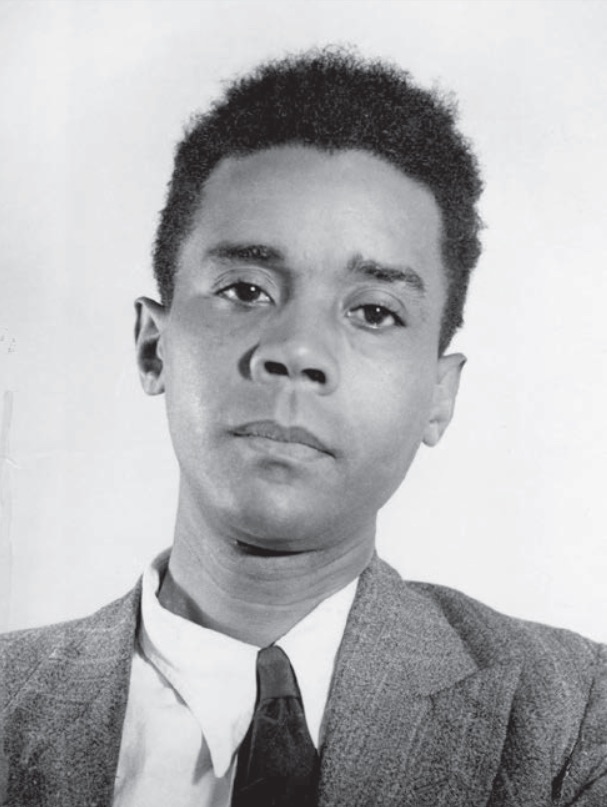
Black British intellectual life is not an appendix to American debates. It has produced its own powerful ways of understanding empire, race, culture, and freedom.
Trinidad-born C. L. R. James placed enslaved people at the center of revolutionary history in The Black Jacobins (1938), his account of the Haitian Revolution. In Beyond a Boundary (1963), he used cricket to explore society, colonialism, and culture. These were not separate interests: history and sport both revealed how power operated and how people challenged it. His later association with Brixton also connects intellectual life to the neighborhoods in which Black Britain was made.
Jamaica-born Stuart Hall helped shape the New Left and became a major force in Birmingham’s Centre for Contemporary Cultural Studies. He examined how media, politics, and everyday culture organize ideas about race and belonging. His work offered tools for understanding why Britishness could appear universal while excluding people whose labor and histories helped constitute it.
Paul Gilroy carried that inquiry in new directions. There Ain’t No Black in the Union Jack (1987) challenged nationalism’s racial boundaries. The Black Atlantic (1993) explored the movement of people, music, and ideas across Africa, Europe, the Caribbean, and the Americas. Together, these thinkers show why Black history cannot be contained within one nation’s borders—or treated as an optional supplement to the national story.
Brixton and the struggle over policing
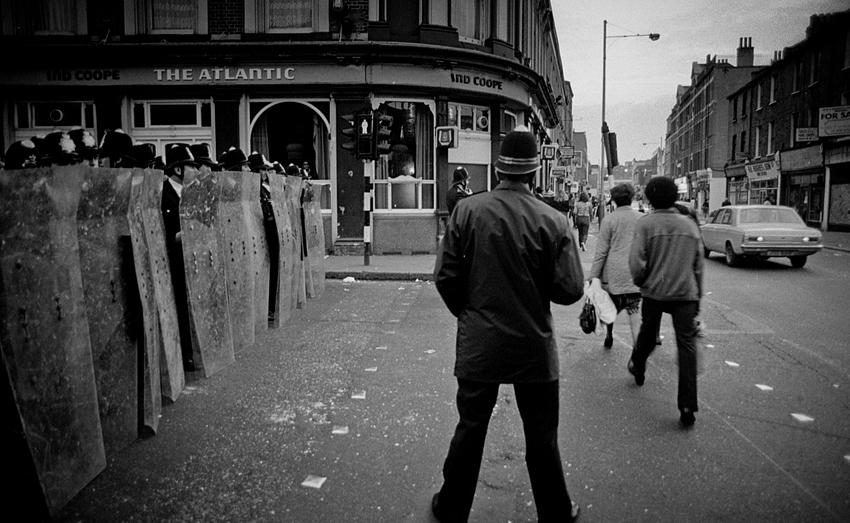
Policing became a defining arena of resistance. The Mangrove Nine trial in 1971 followed protests against police harassment of a Caribbean restaurant in Notting Hill. The defendants’ acquittal on the main riot charge made the case an important moment in challenging racist policing.
In April 1981, Brixton erupted after years of tension involving police treatment, unemployment, and racial disadvantage. Operation Swamp 81, an intensive stop-and-search operation, heightened that tension. Describing the events only as disorder strips away the conditions that preceded them.
The Scarman inquiry recognized racial disadvantage and criticized aspects of policing while stopping short of the later institutional-racism diagnosis. Brixton’s significance lies partly in forcing national attention onto experiences residents had long described. The struggle was not simply for calmer streets, but for fair treatment and a different relationship with public authority.
Stephen Lawrence’s racist murder in Eltham in 1993 produced another reckoning. His family’s campaign exposed the failures of the police investigation. The 1999 Macpherson inquiry found institutional racism in the Metropolitan Police. Doreen Lawrence’s persistence made a family’s fight for justice a challenge to the workings of the state. Recognition came through struggle, not through institutions correcting themselves unprompted.
Windrush citizenship: rights without usable proof
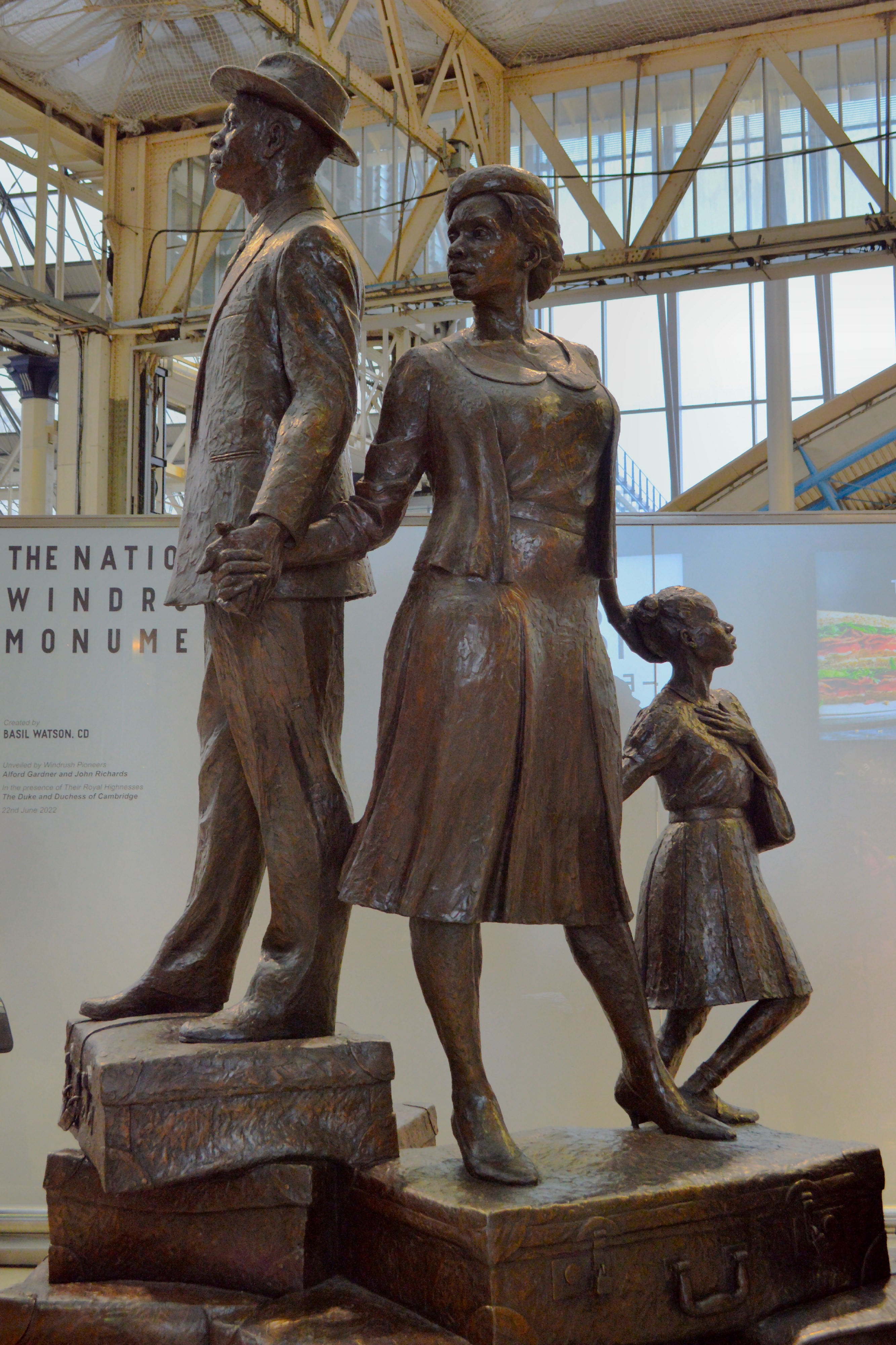
The Windrush scandal, exposed in 2018, showed how fragile recognition could become. Long-settled residents with lawful status were required to produce evidence the state had not reliably ensured they possessed. People lost work, housing, access to services, and security; some were detained or removed. The problem was not that their lives lacked legitimacy, but that bureaucracy treated missing documentation as grounds to deny it.
Wendy Williams’s 2020 Windrush Lessons Learned Review examined the Home Office failures behind the scandal. Restoring documents and offering compensation are different tasks: one establishes usable proof of status, while the other addresses damage already done. Neither should be confused with suggesting that every affected person had exactly the same citizenship history.
The fight continues through demands for accessible redress and accountability. In June 2025, Reverend Clive Foster was appointed the first Windrush Commissioner. In January 2026, the Home Office expanded compensation eligibility for pension losses and introduced priority allocation for claimants aged seventy-five and older. Those are documented reforms, not proof that every survivor has obtained justice. Their very necessity shows how the consequences extend into retirement, health, and family security.
Black Studies under pressure
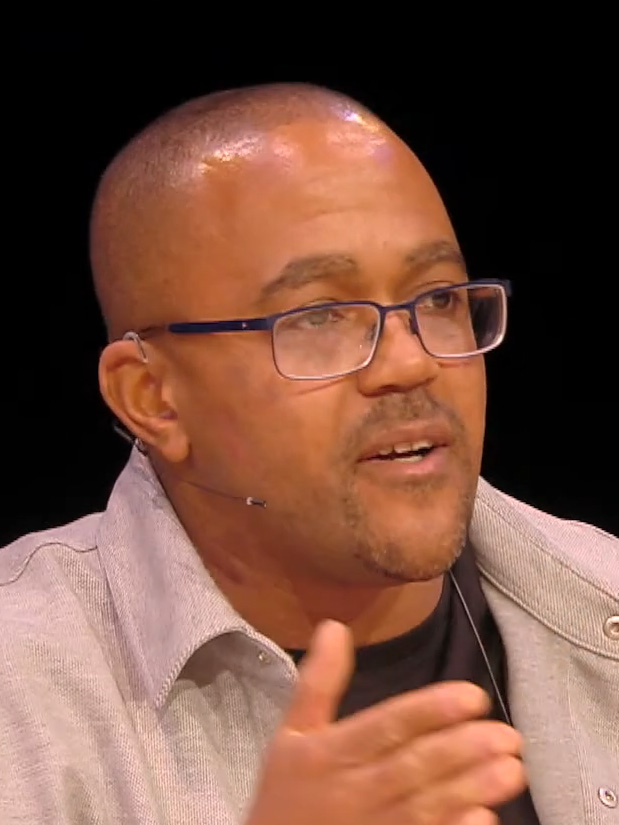
The struggle for recognition also concerns universities. Black communities have generated knowledge for centuries, yet institutions can celebrate diversity while offering few secure places for Black scholarship. HESA figures for 2023–24, reported by Research Professional News in January 2025, put Black professors at 0.97 percent of 25,670 professors across UK higher education. This is a dated UK-wide professorial statistic—not a count of all Black teaching staff in England.
At Chichester, the 2023 suspension of recruitment to the MRes in the History of Africa and the African Diaspora and Hakim Adi’s subsequent redundancy provoked opposition from students, historians, and campaigners. The university cited recruitment and financial considerations; critics challenged both the support given to the course and the damage done to Black historical study.
Birmingham City University’s cancellation of its undergraduate Black Studies course drew similar criticism in 2024. Kehinde Andrews argued that the course’s purpose included work beneficial to communities, not simply adding another subject label. Adi described such losses as attacks that disproportionately affected Black subjects, students, and scholars. Those are their assessments, and the university disputed the implication that it had abandoned the field: it cited low sustained demand and announced plans for a Black Studies MA. The loss of the undergraduate course should not be rewritten as evidence that every form of Black Studies in Britain has disappeared.
Jason Arday’s situation requires separate, careful treatment. Cambridge publicized his 2023 appointment as its youngest Black professor. He resigned on August 5, 2026, amid allegations of plagiarism and inconsistencies in accounts of his career, and died on August 14. Cambridge subsequently announced an independent review. On October 6, the Guardian reported academics’ concerns about whether the review would fully examine institutional decisions and his treatment. These are distinct facts and unresolved questions; they do not justify assuming a cause of death or treating allegations as completed findings. They do raise urgent questions about institutional responsibility and the difference between celebrating representation and sustaining people.
Reparations and the meaning of repair
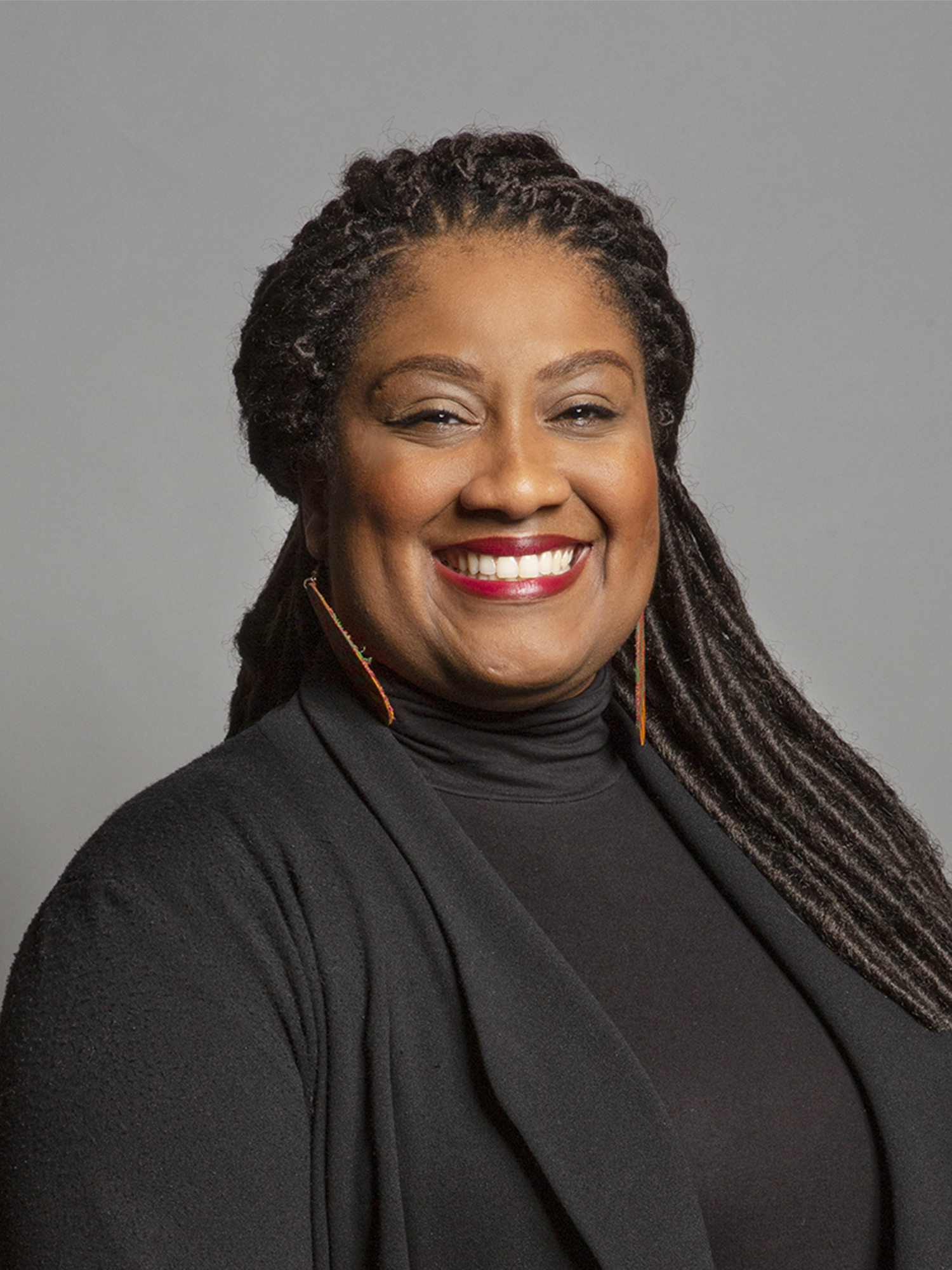
Current reparations campaigns connect Britain’s wealth and institutions to slavery and colonialism. CARICOM’s reparatory-justice agenda seeks more than individual cash compensation: acknowledgment, apology, and measures addressing enduring harms are part of the debate. British campaigners, including Bell Ribeiro-Addy, have pressed for a serious response.
Campaign demands must be distinguished from government commitments. In Parliament on February 25, 2025, the government stated that it did not pay reparations and would not make cash transfers to the Caribbean. That documented position is not the same thing as saying the debate is settled. It remains a contest over responsibility, historical memory, and the forms repair might take.
What honoring Black Britain means in 2026
The story running from John Blanke and the port communities to Windrush, Brixton, and today’s African, Caribbean, and mixed-heritage families is not a story of people standing outside Britain and asking to be added. It is the history of people already helping to make the country: through work and family life, music and literature, political organizing and intellectual invention. James, Hall, and Gilroy changed how empire and belonging could be understood. Community campaigns challenged exclusion in employment and policing. These achievements belong to British history itself, not to a separate history that becomes relevant only each October.
That record also explains why celebration cannot mean looking away from present difficulties. The unfinished work of Windrush redress, the protection of Black scholarship, questions about institutional responsibility raised by the Arday review, and the debate over reparations concern different institutions and remedies. Together, they test whether recognition will be accompanied by security, accountability, and a willingness to address harm. A country can praise Black contributions while leaving the people and institutions that sustain them vulnerable.
In 2026, “Honouring Our Communities” should therefore mean more than applauding exceptional individuals. It means respecting the varied communities behind them, protecting their right to belong, and supporting their capacity to build a future. Black History Month offers both joy in what those communities have created and an opportunity to measure how far equality has actually advanced. Its deepest promise is that Black children should encounter their histories without learning to question their own worth—and that the people who helped make Britain should not have to keep proving they belong.
Ask the Historian
Have a question about this story, or an idea for a future post? Send it here.