
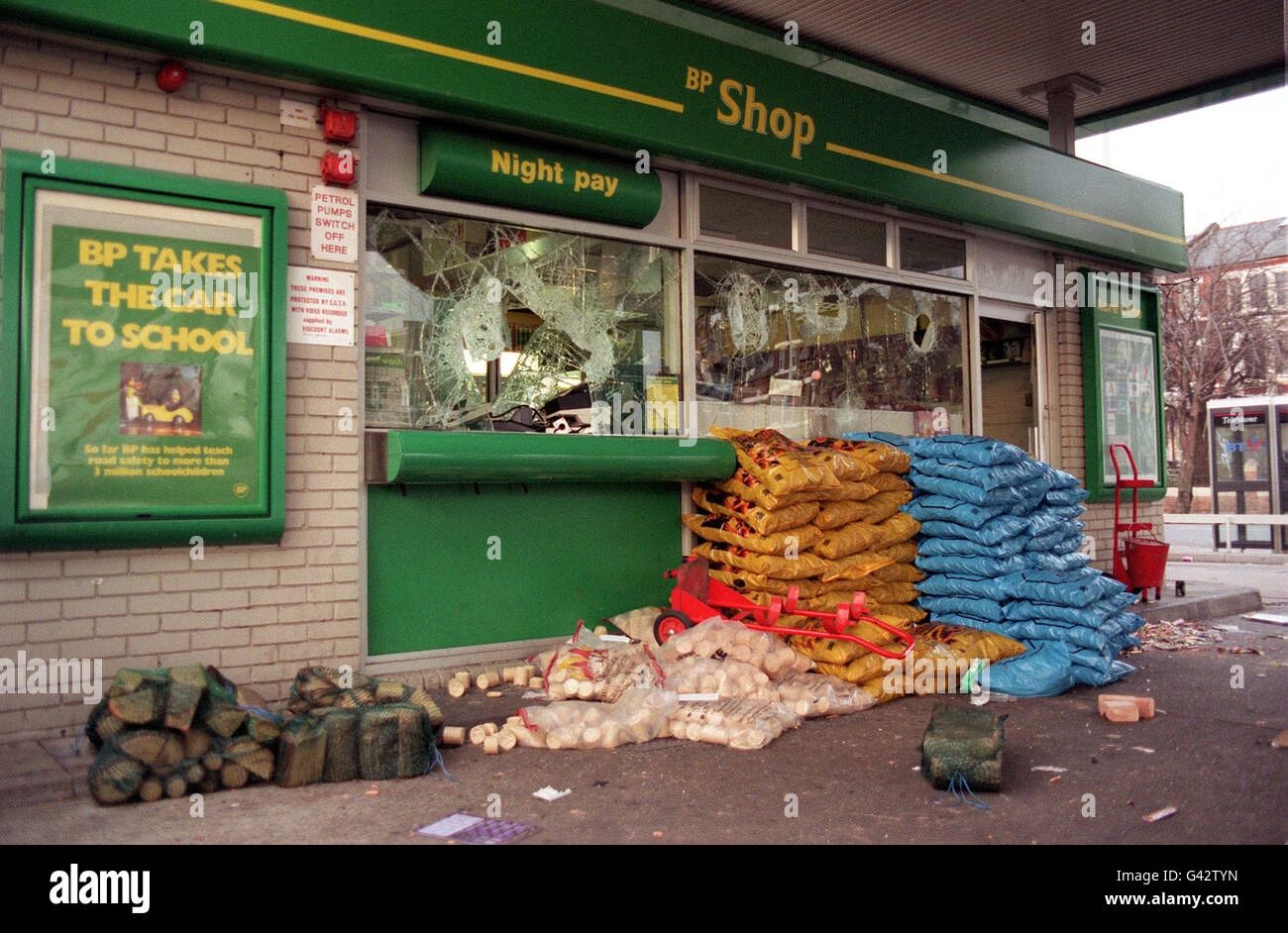
On 13 December 1995, hundreds of Black and white youths rioted in Brixton, south London, following the death of Wayne Douglas, a young Black man, in police custody. They attacked police, ransacked shops and burned cars for five hours.
The violence continued for five hours and 22 people were arrested and charged with public order offences, theft and criminal damage and three police officers were hurt.
Riots in Brixton were not new. The most explosive riot took place in the area in 1981. Like the 1995 riot, the protest centered around stop and frisk policies and the death of thirteen Black teenagers in the suspicious New Cross house fire in January 1981. More than 5,000 people were involved. This led to an inquiry by the British government the publication of the ScarmanReport.
Riots in Brixton hit the headlines again in July 2001 after an estimated 100 youths went on the rampage, looting and breaking shop windows.
It was triggered by the fatal shooting by police of a man they mistakenly believed had been brandishing a gun.
Twenty-seven people were arrested after these riots.
Alex Owolade, chairman of the anti-racist group Movement for Justice, said the violence was a rebellion against years of "racist injustice" by police in an impoverished area plagued by racial tension.
Brixton riot - WCH | Stories
#BrixtonRiots #WayneDouglass #BrixtonRiots1981 #ScarmanReport #StopandFrisk
Ask the Historian
Have a question about this story, or an idea for a future post? Send it here.