

On Thanksgiving Day in 1981, Bea Gaddy set a table for her Baltimore neighbors. The Maryland State Archives records that she used $290 won on a 50-cent lottery ticket to buy food for 39 people. She cooked much of the meal herself and served it outside her home. It was a modest beginning for what became one of Baltimore’s most enduring traditions of care.
This Thanksgiving marks the 45th annual Bea Gaddy Thanksgiving Dinner. The Bea Gaddy Family Centers continues the work today, November 26, with meal preparation, guest service, and deliveries to seniors and homebound neighbors centered at American Legion Northeastern Post 285 on McElderry Street. The anniversary is an opportunity to remember more than a beloved holiday ritual. Gaddy’s life shows how a woman who had known hunger built an institution around a radical but practical principle: no neighbor should be treated as disposable.
A childhood without enough
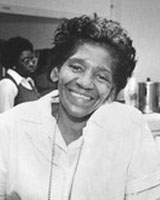
Beatrice Frankie Fowler was born in Wake Forest, North Carolina, on February 20, 1933. Her family’s poverty was compounded by violence at home. In recollections preserved by the Maryland State Archives, Gaddy described days when she and her older brother searched grocery-store refuse for food because there was nothing to eat at home. The point is not to turn her childhood into a simple story of triumph over adversity. It is to understand that her later work grew from firsthand knowledge of what hunger does to a person’s sense of safety and belonging.
By her mid-twenties, she was a mother of five and had experienced two marriages and divorces, according to the Maryland Women’s Hall of Fame biography. She moved to New York, where she worked as a housekeeper, and then came to Baltimore in 1964. A new address did not immediately end the insecurity. She continued working and raising her children while pursuing an education, taking mental-health courses at Catonsville Community College and earning a bachelor’s degree in human services from Antioch University in 1977.
Education mattered, but Gaddy’s authority also came from experience. She understood the gap between having a little and having enough, and between being treated as a case number and being welcomed as a person. Those lessons became the foundation of her work in East Baltimore.
A house that became a distribution center
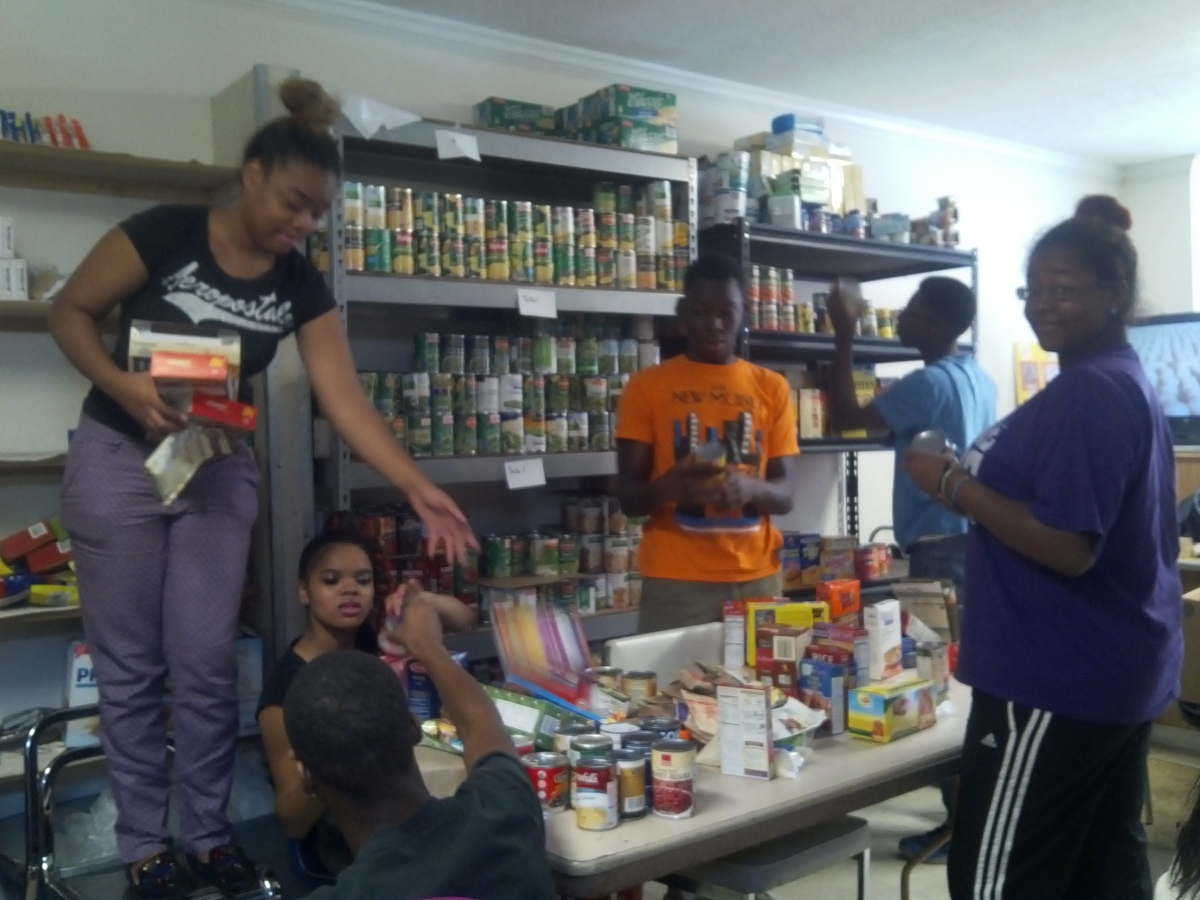
In the early 1970s, Gaddy joined the East Baltimore Children’s Fund and made her own home a distribution point for food and clothing. The arrangement erased the conventional boundary between private space and public need. Her household became part of the neighborhood’s safety net.
She collected donations with a shopping cart and built relationships with churches, grocers, and others who could supply food. The Patterson Park Emergency Food Center grew from that work in 1981. The operation was not elaborate, but it was dependable. People knew where to find her.
The work also moved well beyond groceries. The Maryland State Archives credits Gaddy with establishing a furniture bank, helping refurbish abandoned row houses for families, supporting summer youth programs, and teaching voter education. She became an ordained minister so she could perform marriages and bury people without charging families who could not afford the costs. Each activity answered a different need, but the underlying purpose was consistent: remove the barriers that made poverty more humiliating and more expensive.
This is why describing Gaddy only as the woman behind a Thanksgiving dinner misses the scale of her achievement. She was building community infrastructure before that phrase became fashionable. Her table was one part of a larger network of shelter, household goods, education, spiritual care, and civic participation.

$290, 39 neighbors, and a table outside
The first Thanksgiving dinner has become Baltimore folklore, but the details still matter. The Maryland State Archives gives the figures as $290 and 39 neighbors. The Bea Gaddy Family Centers’ own current account gives $250 and approximately 40 neighbors. Those accounts should not be silently merged into a false precision. The central fact is secure: in 1981, Gaddy converted a small lottery win into a shared meal and then chose to repeat the act.
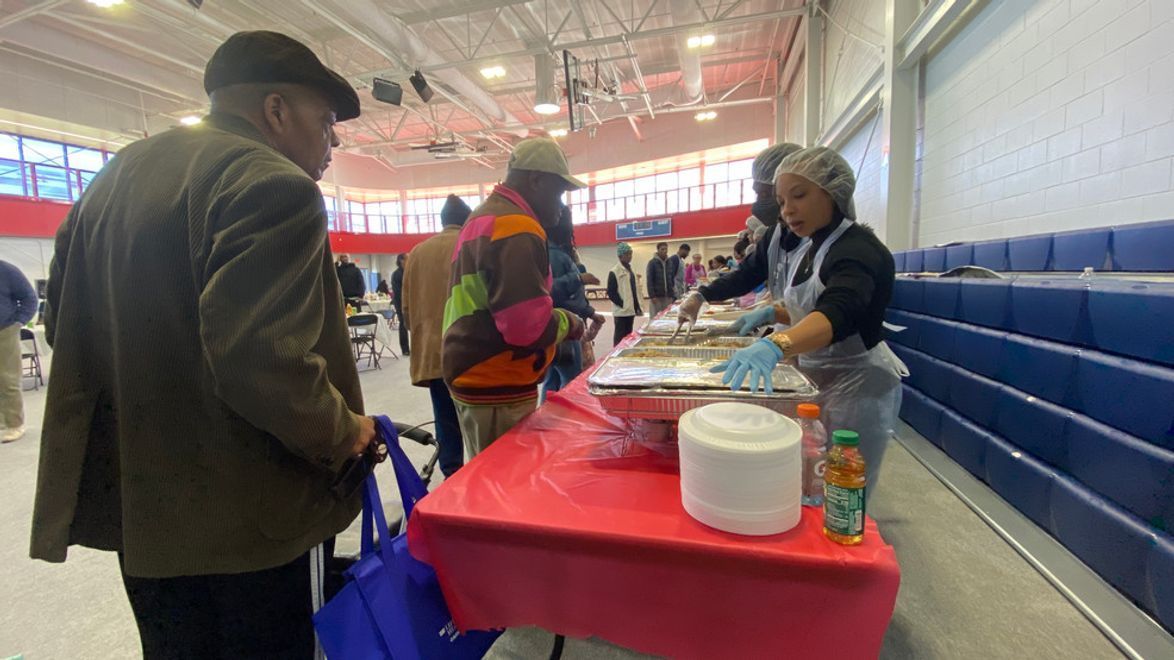
She did not wait for a large grant, a professional staff, or a perfect facility. She cooked, asked others to contribute, and placed the meal where people could reach it. As the number of diners grew, the dinner moved from her home’s sidewalk to a local middle school. Local grocers contributed canned goods, Shady Brook Farms donated turkeys, and the Maryland Correctional Facility in Hagerstown assisted with cooking, according to the archives.
The story’s power lies in that combination of personal initiative and collective labor. Gaddy supplied the vision and relentless organizing, but the dinner endured because other people accepted responsibility alongside her. Donors, cooks, volunteers, drivers, and neighbors transformed one woman’s response to hunger into a civic tradition.
From one woman’s labor to a civic institution
Gaddy’s public service eventually included electoral politics. In 1999, she won election to the Baltimore City Council from the Second District. Official Maryland election returns record 9,019 votes for her in the general election, and the Maryland Manual lists her among the district’s council members for the 1999–2004 term. Her council service did not replace her direct work with people in need; it gave that work another public platform.
Gaddy was diagnosed with breast cancer in 1998. She died at Johns Hopkins Hospital on October 3, 2001, at age 68. Her daughters and other supporters carried on the mission through the Bea Gaddy Family Centers. In 2006, Maryland inducted her into the Maryland Women’s Hall of Fame, formal recognition of what Baltimore residents had already demonstrated through decades of volunteerism and participation.
The center’s present mission still emphasizes food, clothing, essential household items, and compassionate assistance. That continuity matters. A legacy is not merely a portrait, an award, or an affectionate nickname. It is work that remains necessary and people who keep doing it.
Thanksgiving 2026: the work is still here
For today’s 45th annual dinner, the center lists American Legion Northeastern Post 285, 2324 McElderry Street, as the location for Thanksgiving meal operations. Its published schedule includes guest meal assistance and the assembly and delivery of meals for seniors and homebound residents. The center asks people requesting a free meal to call 410-563-2749 with their name, address, telephone number, and the number of meals needed.
Current availability should always be confirmed directly with the center. Some volunteer shifts are already listed as closed, which is itself evidence of the community participation that sustains the event. The most reliable destination for current information is beagaddy.org.

What Baltimore remembers
Bea Gaddy’s life offers a demanding lesson for Thanksgiving. Gratitude is not simply a feeling expressed around a table. It can become a decision to make the table wider.
Gaddy did not end poverty in Baltimore, and no holiday dinner can substitute for secure housing, adequate income, health care, and public investment. But her work prevented the scale of the problem from becoming an excuse for inaction. She began with what she had, treated her neighbors with dignity, and built something that outlived her.
Forty-five years later, the continuing dinner is both a memorial and an assignment. It honors Gaddy best not by sentimentalizing her sacrifice, but by recognizing the collective responsibility she practiced every year.
Why your support matters
Liked this story? Get one like it in your inbox every week.
HistorianSpeaks is independent and reader-supported. No corporate owners, no paywall on the daily history. Every member keeps stories like this one coming.
Free
Newsletter
The weekly dispatch in your inbox.
Founding member
$9.99/month
Price locked for life, founder recognition and full Black Thread magazine access.
Become a founderShare Your Thoughts
Tell us what you think of this story. Comments go privately to the editor; your email is never published.
Ask the Historian
Have a question about this story, or an idea for a future post? Send it here.