
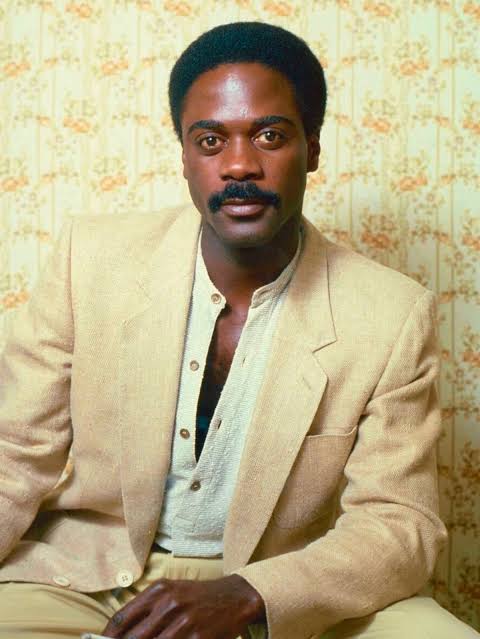
Howard Rollins Jr. (Oct 17, 1950 - Dec 8, 1996). Stage, film/TV actor. Known for his role as Andrew Young in 1978's King, George Haley in the 1979 miniseries Roots: The Next Generations, Coalhouse Walker Jr. in the 1981 film Ragtime, Captain Davenport in the 1984 film A Soldier's Story, and as Virgil Tibbs on the NBC/CBS TV crime drama In the Heat of the Night (1988–1994).
A Baltimore Kid Finds the Stage
Rollins was born in Baltimore, Maryland, on October 17, 1950, the youngest of four children of Howard Rollins Sr., a steelworker, and Ruth Rollins, a domestic worker, and grew up in a city still marked by segregation. He thought he would become a teacher, but at 17 a friend talked him into a casting call at a Baltimore theater, where he won a role in John Steinbeck's Of Mice and Men. "Things made sense to me for the first time in my life," he told the New York Times in 1981. He went on to study theater at Towson State College and found early work at home, including the Maryland Public Television series Our Street, one of the first Black soap operas. In 1974 he moved to New York to try his luck on the stage and in television.
Playing the Movement on Screen
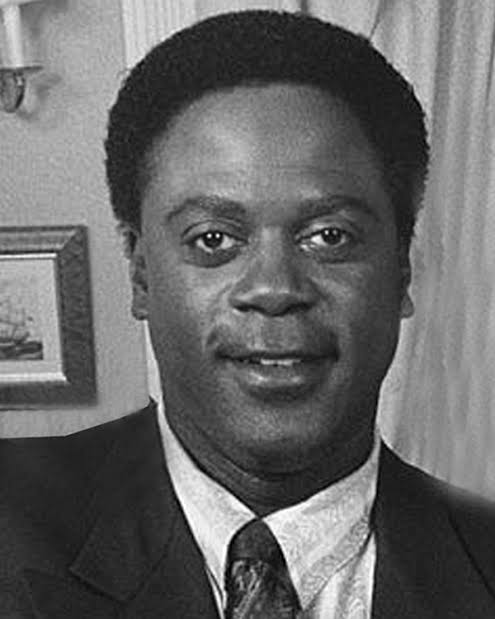
His breakthrough came on television, playing figures from the Black freedom struggle. In the 1978 miniseries King he portrayed Andrew Young, Martin Luther King Jr.'s close aide, and in 1979 he played George Haley, Alex Haley's brother, in Roots: The Next Generations. These roles put a young Black actor in front of millions of viewers at a moment when American television was only beginning to tell Black history at all.
Coalhouse Walker and Captain Davenport
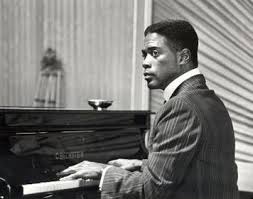
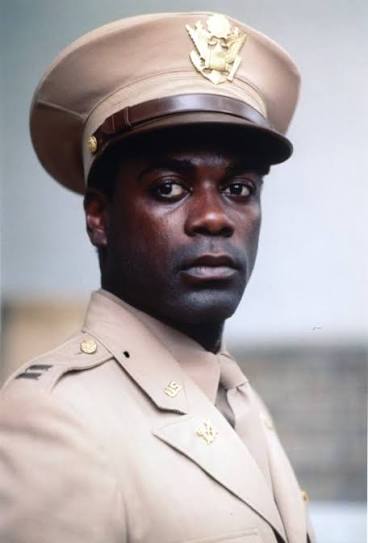
Director Miloš Forman cast Rollins as Coalhouse Walker Jr., the proud ragtime pianist pushed to armed revolt by racist humiliation, in the 1981 film Ragtime. The performance earned him an Academy Award nomination for Best Supporting Actor. Three years later he starred as Captain Richard Davenport, a Black Army lawyer investigating a murder on a segregated Louisiana base, in Norman Jewison's A Soldier's Story, adapted from Charles Fuller's Pulitzer Prize–winning play. Both men were dignified, educated, and unwilling to bow.
Virgil Tibbs Comes Home
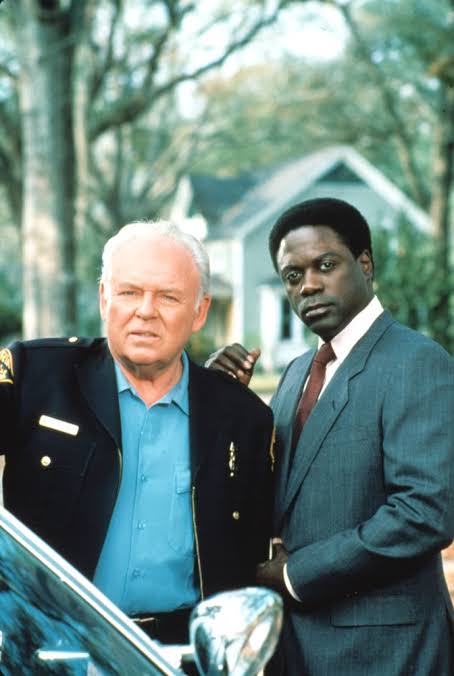
In 1988 Rollins took on Virgil Tibbs, the Philadelphia detective made famous by Sidney Poitier, in the television series In the Heat of the Night. Opposite Carroll O'Connor's Chief Bill Gillespie, he played a Black detective who returns to his Mississippi hometown and works as an equal with a white Southern police chief. Each week the show placed questions of race, justice and respect inside a popular prime-time drama. His struggles with drug use, including several arrests for driving under the influence, eventually led the producers to write him out of the series.
A Private Life, Publicly Questioned
In his final years Rollins's private life drew rumors in the press, including speculation that he had AIDS, which he denied. He never spoke publicly about his sexuality, and when he died his family and representatives gave the cause only as complications from lymphoma. In the years since, Black LGBTQ organizations, including the National Black Justice Coalition, have claimed him as part of their history, a reminder of how much Black performers of his generation felt they had to keep hidden.
Why His Work Still Matters
Rollins died in New York on December 8, 1996, at age 46, of complications from lymphoma. His career was short, but in roles from Coalhouse Walker to Virgil Tibbs he showed audiences Black men who demanded to be treated as equals. The past is present: the dignified Black heroes on today's screens owe something to the ground he broke.
Ask the Historian
Have a question about this story, or an idea for a future post? Send it here.