

The Roots of Freedom: Unpacking the Meaning Behind Juneteenth
Every year on June 19th, communities across the United States pause to honor a pivotal moment in African American history—Juneteenth. Often referred to as the nation’s second Independence Day, this holiday commemorates June 19, 1865, when Union General Gordon Granger arrived in Galveston, Texas, and announced that enslaved people were free, over two years after the Emancipation Proclamation took effect. This moment marked the true end of slavery in the last Confederate state, symbolizing not just legal freedom, but the long, hard-fought journey toward justice and equality.
Juneteenth is more than a historical milestone. Generations have celebrated with parades, educational events, and family gatherings. As interest in culturally significant holidays grows, understanding the symbols tied to Juneteenth—like its powerful, intentional flag—becomes essential for educators, content creators, and community leaders aiming to share meaningful narratives.
Juneteenth Flag
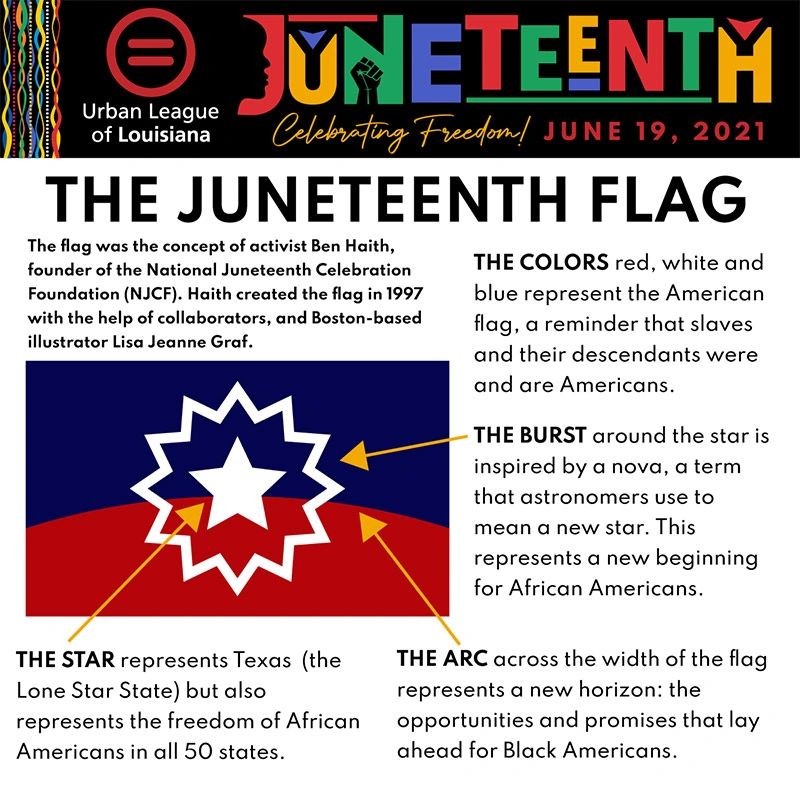
The Juneteenth flag, first designed in 1997 by activist Ben Haith, is more than a ceremonial banner—it's a powerful emblem of freedom, resilience, and national reckoning. Created to honor the long-overdue announcement of emancipation in Texas on June 19, 1865, the flag visually connects African American history to broader American ideals. Its distinct design features a bursting star at the center, outlined rather than filled, symbolizing both the moment of liberation and the ongoing journey toward true equality. This star echoes the Lone Star of Texas while emphasizing that freedom radiated outward from that pivotal day.
The flag’s color scheme—red, white, and blue—deliberately mirrors the American flag, reinforcing that enslaved people and their descendants were and are integral to the nation’s identity. These colors are not just patriotic; they affirm that Black Americans have always played a vital role in shaping U.S. history and democracy. The red also represents resilience and sacrifice, while the blue stands for vigilance and unity.
For educators and community leaders in cities like Columbus, Ohio, incorporating the flag’s symbolism into local Juneteenth events or curriculum planning deepens cultural understanding. When designing content, consider explaining each element clearly, using terms like emancipation symbolism or Juneteenth flag meaning in Ohio to enhance discoverability. This approach ensures historical accuracy while supporting regional engagement and learning.
The Symbolism and Legacy of the Juneteenth Flag
The Juneteenth flag stands as a profound emblem of African American resilience, liberation, and cultural identity. First created in 1997, its vibrant design incorporates symbolic elements that reflect both historical truth and aspirational unity. At the center, a bursting star represents freedom for all enslaved people, particularly those of African descent, while its placement in the horizon signals a new dawn—June 19, 1865, the day Union troops arrived in Galveston, Texas, enforcing emancipation. The curved blue and red stripes echo the American flag, yet redefine patriotism through a lens of perseverance and equity.
This flag plays a central role in Juneteenth celebrations across communities, especially in cultural hubs like Columbus, Ohio, where educational events, parades, and public readings often center around its imagery. It’s more than a ceremonial banner—it's a teaching tool, sparking conversations about delayed freedom and systemic injustice. Educators and community organizers use the flag’s symbolism to align historical narratives with modern social awareness, making it an indispensable part of curricula and public programming.
How to Honor the Juneteenth Flag in Modern Observances
The Juneteenth flag is more than a symbol—it’s a meaningful representation of freedom, resilience, and African American heritage. In contemporary celebrations, the flag is prominently displayed at community events, educational programs, and cultural festivities across the nation, particularly in urban centers like Columbus, Ohio, where Juneteenth observances are deeply rooted in local history. Recognizing its significance ensures respectful and impactful participation in this national holiday.
Individuals and organizations can incorporate the Juneteenth flag into their activities by flying it with care and context. Always ensure it is displayed on a dedicated flagpole or indoors in a visible, dignified location. Avoid using the flag on disposable items, clothing, or as backdrop décor that may imply casual use. Instead, pair it with educational materials that explain its symbolism—the bursting star at the center representing newly freed Black Americans, the red, white, and blue colors affirming national belonging, and the arc symbolizing a new horizon.
To amplify authenticity, source the flag from reputable vendors who honor its legacy. Pair flag-raising ceremonies with readings, performances, or panel discussions that deepen public understanding. For digital campaigns, use high-resolution official imagery and accompany it with narratives that reflect Juneteenth’s historical weight. By treating the flag with reverence and integrating it meaningfully, communities uphold its legacy while fostering inclusive, informed celebrations year after year.
Frequently Asked Questions About the Juneteenth Flag
What does the Juneteenth flag symbolize? The Juneteenth flag is rich with meaning, designed to reflect the historical significance of June 19, 1865—the day enslaved African Americans in Texas were finally freed. The flag features a bursting star at its center, symbolizing freedom and the new lives freed people began across the nation. The star also represents Texas, the Lone Star State, and the spread of liberation to all corners of the U.S. The curve of the horizon line on the flag marks the end of a long, dark night of slavery and the dawn of a new era.
Why is red, white, and blue used in the Juneteenth flag? Although the colors echo the American flag, they carry deeper connotations specific to African American heritage. Red stands for the blood shed throughout the struggle for liberation, white represents purity and peace in freedom, and blue signifies unification and the shared journey toward justice. Together, they affirm that African Americans are integral to the American story and its continued evolution.
How should I properly display the Juneteenth flag? The Juneteenth flag should be flown with the same respect as any national or ceremonial banner. It’s typically displayed from sunrise to sunset and should be raised at the same height as, but never above, the U.S. flag. In Columbus, Ohio, and other communities with strong Juneteenth observances, it’s common to fly the flag outside cultural centers, schools, and homes during June.
Can the Juneteenth flag be flown year-round? Yes, while most popular during June, especially around June 19th, the Juneteenth flag can be flown any time to honor African American freedom, resilience, and heritage. Many organizations in Central Ohio display it throughout the year as part of ongoing equity initiatives.
Is there a specific protocol for retiring a worn Juneteenth flag? Yes—when the flag becomes faded or damaged, it should be retired respectfully through a ceremonial burning, following guidelines similar to those used for the U.S. flag. This honors the symbolism and dignity the flag represents.
Where can I learn more about Juneteenth celebrations in Ohio? Local museums, historical societies, and community centers in Columbus often host educational events, flag-raising ceremonies, and cultural programming. These gatherings offer practical insights into the flag’s meaning and how it's woven into regional traditions.
The Juneteenth Flag: A Beacon of Freedom and Forward Movement
The Juneteenth flag stands as more than a symbolic gesture—it's a powerful representation of emancipation, resilience, and the continuous pursuit of equity in the African American journey. Its rich colors and intentional design elements—the bursting star, the arc separating past from future, and the red, white, and blue palette—serve as visual affirmations of a people’s long-overdue freedom and unyielding determination. Originating from a grassroots recognition of June 19, 1865, when enslaved people in Texas finally learned of their liberation, the flag now unifies communities nationwide in both remembrance and celebration.
For educators, community organizers, and content creators, especially in culturally significant regions like Columbus, Ohio, the Juneteenth flag offers a meaningful entry point into discussions about racial justice, historical awareness, and civic engagement. It’s not just a banner for annual festivities; it's a year-round tool for teaching, reflection, and activating change. By incorporating the flag’s symbolism into curriculums, public programming, or digital content—using accessible, location-optimized terms like “Juneteenth meaning in Ohio” or “Black history symbols”—you deepen public understanding and support inclusivity in narratives.
Take actionable steps: host local workshops on the flag’s history, create shareable infographics, or partner with cultural institutions to amplify its significance. Let this emblem inspire not only reflection but also the sustained work toward progress—because freedom is both a moment and a movement.
Ask the Historian
Have a question about this story, or an idea for a future post? Send it here.