
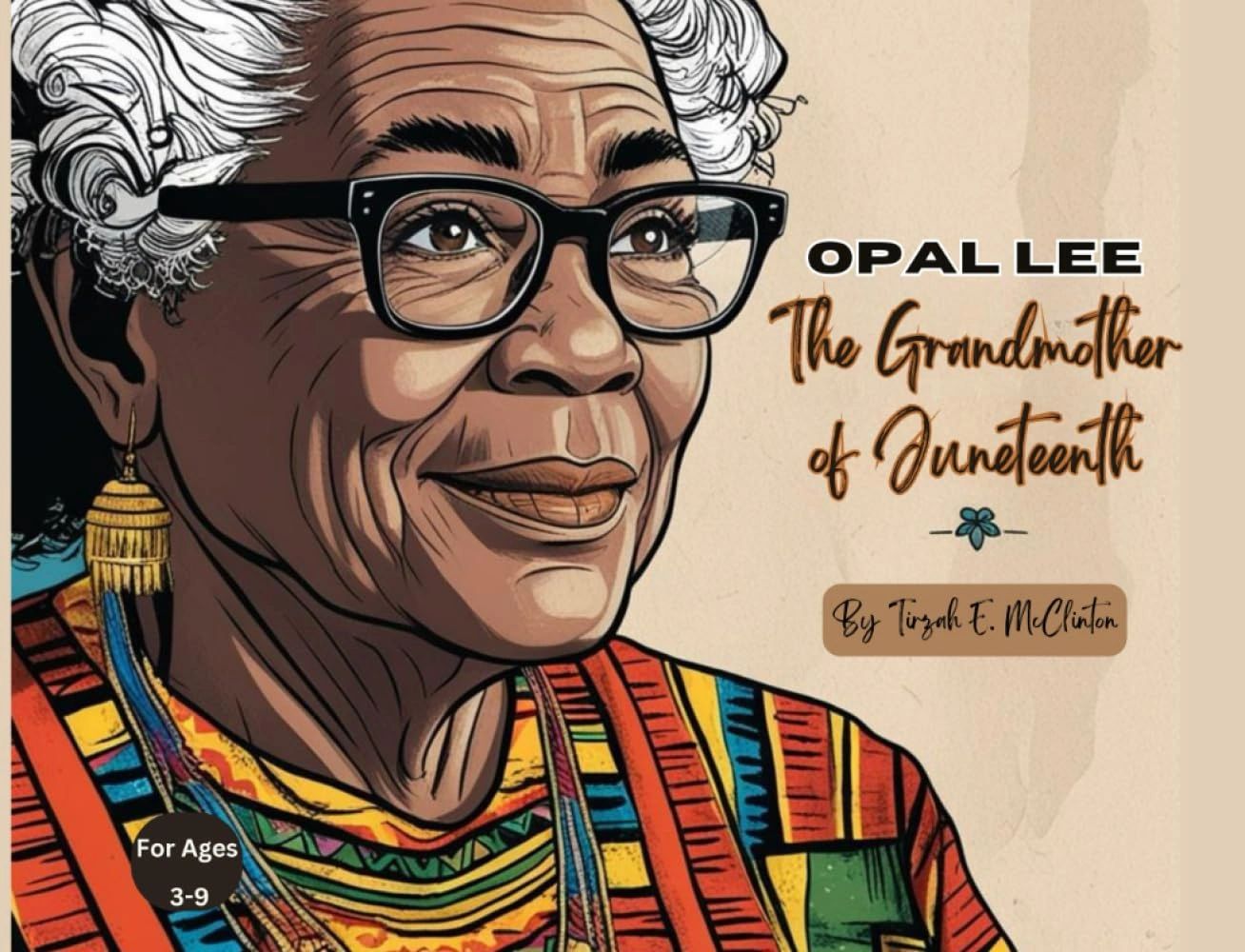
The Woman Behind the Movement: Opal Lee’s Journey to National Recognition
Often called the Grandmother of Juneteenth, Opal Lee’s unwavering advocacy transformed a long-observed tradition into a nationally recognized holiday. At 89 years old, she laced up her walking shoes and embarked on a symbolic journey—walking 2.5 miles each day to represent the 2.5 years it took for emancipation news to reach enslaved people in Texas. Her mission was clear: elevate Juneteenth from a deeply meaningful cultural observance to a federally recognized moment of reflection and celebration for all Americans.
Based in Fort Worth, Texas, but with influence stretching across states like Ohio and beyond, Lee’s campaign became a blueprint for grassroots change. She mobilized communities, spoke at schools, and partnered with local organizations to grow awareness, demonstrating how purpose-driven action can influence national policy. Her efforts were instrumental in President Biden’s 2021 signing of the Juneteenth National Independence Day Act.
Today, educators and civic leaders in cities like Columbus, Ohio draw inspiration from her model—using local traditions, school curriculums, and public events to teach the significance of June 19th. By understanding her journey, you can identify ways to bring community-centered storytelling into your own programming, deepen historical engagement, and support inclusive narratives that resonate both locally and nationally.
A Life Forged in Fire: The Early Years That Shaped a Movement
Opal Lee’s unwavering dedication to justice didn’t emerge in a vacuum—it was ignited by a childhood trauma that would leave an indelible mark on her spirit and purpose. On June 19, 1939, just twelve years after the official emancipation of enslaved people in Texas, a violent mob targeted her family home in Fort Worth, Texas. That day, a celebration of freedom for many became a harrowing experience of racism and destruction for the young Opal. The mob not only vandalized the house but set it ablaze, shattering any illusion of safety and equality in a nation still deeply marred by segregation and hate.
This moment became foundational to her lifelong mission. Though her family eventually rebuilt, the injustice of that day stayed with her, fueling a deep commitment to education, activism, and community empowerment. As she grew, Opal recognized that systemic change required both awareness and action. She became a teacher, using the classroom as a platform to instill pride and historical truth in her students, especially in communities across Texas and later in cities like Columbus, Ohio, where African American heritage continues to shape cultural programming.
Today, understanding Opal Lee’s early life offers crucial context for anyone leading community initiatives or developing culturally relevant content. Her story underscores the importance of teaching history not as distant events, but as lived experiences with lasting impact. For educators and organizers, this means:
- Incorporating personal narratives into Juneteenth programming
- Creating safe spaces for intergenerational dialogue about racial justice
- Using trauma-informed storytelling that honors lived experiences
By grounding local events and educational efforts in authentic history, your content gains depth, credibility, and resonance—especially when optimized with search-friendly phrases like “Juneteenth history in Ohio” or “Black activists in Central Ohio.” More than remembrance, it’s about relevance: showing how one woman’s pain transformed into a national movement for recognition, respect, and reform.
How Opal Lee’s Walk Ignited a National Movement
Opal Lee’s “Walk 2 D.C.” stands as a powerful example of grassroots activism turning national attention toward historical justice. At 89 years old, she walked over 1,400 miles from Fort Worth, Texas, to Washington D.C., symbolizing the 2.5 years it took for emancipation news to reach enslaved people in Texas after the Civil War—covering 2.5 miles each day to represent every year of delayed freedom. This act was not just physical endurance but a strategic, symbolic campaign that mobilized communities, inspired educational initiatives, and brought Juneteenth into national discourse.
Follow these actionable steps to plan a meaningful, locally rooted awareness campaign inspired by Opal Lee’s model:
- Define Your Symbolic Action
- Choose a gesture that reflects your cause—like a walk, ride, or community relay. Ensure it carries historical or cultural weight, such as a distance or date that ties to a pivotal moment in African American history.
- Map a Route with Community Stops
- Design your journey to pass through key locations—historical sites, schools, cultural centers—especially in cities like Columbus, Ohio, where Juneteenth observances are growing. Partner with local organizations to host educational pop-ups along the way.
- Build Daily Rituals into the Campaign
- Incorporate a repeatable daily action (like Opal’s 2.5-mile walk) to reinforce consistency and media visibility. Share progress through social updates, photo logs, or local news briefs.
- Integrate Educational Moments
- At each stop, present a short lesson on emancipation history, Juneteenth’s significance, or civil rights milestones, making the campaign both a physical and intellectual journey.
- Advocate for Change
- Use the campaign’s momentum to call for tangible outcomes—such as Juneteenth recognition at the city or state level, curriculum inclusion, or public art installations honoring Black freedom fighters.
By modeling campaigns after Opal Lee’s determination, you connect local communities to national narratives while driving awareness, education, and systemic recognition.
How Grassroots Advocacy Powers National Change: The Path to Juneteenth Recognition
Opal Lee’s journey from community organizer to national icon exemplifies how persistent grassroots advocacy can transform cultural awareness into legislative action. Her story isn’t just about one woman’s mission—it’s a blueprint for how passionate individuals can drive systemic change through public engagement, strategic storytelling, and community mobilization. At 89, Lee famously walked from Fort Worth, Texas, to Washington, D.C., symbolizing the 2.5 years it took for emancipation news to reach enslaved people in Texas. This powerful act of protest captured national attention and galvanized communities across the U.S., including culturally vibrant regions like Columbus, Ohio, where local leaders used her narrative to ignite dialogue about racial justice and historical recognition.
What made Lee’s approach effective was her blend of education, visibility, and civic outreach. By speaking at schools, organizing interfaith events, and leveraging media platforms, she turned a historically overlooked date into a nationally recognized movement. Her advocacy underscores a critical lesson: sustainable change often begins locally but gains momentum when aligned with shared values and coordinated efforts. For educators, content creators, and civic organizers, this means prioritizing authentic narratives, partnering with local institutions, and using commemorative moments like Juneteenth to foster year-round engagement.
To replicate this impact:
- Host community-led discussions that connect local history to national observances
- Use oral storytelling to preserve and amplify underrepresented voices
- Align programming with federal recognition dates to boost visibility in search and social platforms
By grounding your initiatives in real stories and community collaboration, you create content that resonates locally while achieving broader reach.
Keeping the Flame Alive: Opal Lee’s Enduring Mission for Justice
At 97, Opal Lee isn’t resting on her laurels—she’s actively shaping the future of racial justice education. Known widely as the "Grandmother of Juneteenth," her advocacy didn’t end with the holiday’s federal recognition. Today, she continues to lead through the Opal Lee Foundation, an organization dedicated to fostering racial healing, advancing equity, and ensuring that the legacy of Juneteenth evolves beyond symbolism into sustained action. Her mission is clear: educate, mobilize, and empower communities—especially younger generations—to carry forward the fight for true equality.
Through workshops, youth-led programs, and community dialogues in cities like Columbus, Ohio, and beyond, her foundation turns historical awareness into civic engagement. She emphasizes that freedom isn’t just a date—it’s a continuous journey, and her work reflects that truth. Educators and community leaders can take actionable steps by:
- Hosting intergenerational conversations about Black history and systemic barriers
- Incorporating storytelling and oral histories into local Juneteenth programming
- Partnering with advocacy groups to create service-based learning opportunities
By centering education in her activism, Opal Lee ensures that Juneteenth remains a living, breathing movement—not just a commemoration. Her life’s work challenges all of us to move beyond passive recognition and engage in purposeful, informed advocacy year-round.
What Is Opal Lee Known For and Why Is She Called the Grandmother of Juneteenth?
Opal Lee, often affectionately referred to as the "Grandmother of Juneteenth," is a celebrated activist whose lifelong advocacy helped elevate Juneteenth to national recognition. Born in 1926 in Texas, she witnessed firsthand the struggles and triumphs of African American communities. Her mission intensified in her later years, particularly after turning 89, when she embarked on a symbolic walk from Fort Worth to Washington, D.C.—a journey of over 1,400 miles—to raise awareness about making Juneteenth a federal holiday.
How Old Was Opal Lee When She Began Her Juneteenth Campaign?
At age 89, Opal Lee launched her now-famous walking campaign in 2016, choosing to walk 2.5 miles each day to represent the 2.5 years it took for news of emancipation to reach enslaved people in Texas after the Emancipation Proclamation. This deliberate pace served as a powerful teaching tool, sparking national conversations and drawing attention from educators, community leaders, and policymakers across the country, including in Central Ohio where local observances have grown in scale and depth.
What Motivated Opal Lee to Champion Juneteenth?
Her motivation stems from both personal history and a deep commitment to justice. As a child, she experienced racial violence when her family home in Fort Worth was attacked by a mob on June 19, 1939. That date—Juneteenth—became a dual symbol of resilience and remembrance for her. She saw the lack of national recognition for Juneteenth as a missed opportunity to educate all Americans about the full scope of slavery’s end and the ongoing journey toward equity.
What Was the Significance of Opal Lee’s Walk?
Her walk was not just a physical feat but a strategic awareness campaign. By walking through cities and small towns, she engaged local communities, spoke at schools, and partnered with civic organizations—demonstrating how grassroots efforts can build momentum for national change. Her route symbolized unity, perseverance, and the collective responsibility to honor Black history.
How Did Opal Lee’s Efforts Impact the Recognition of Juneteenth?
Her persistent advocacy, combined with widespread community support, played a pivotal role in the passage of the Juneteenth National Independence Day Act, signed into law in 2021. She stood beside President Biden during the signing, a moment that underscored the power of sustained civic engagement. Her work has inspired cities like Columbus, Ohio, to expand public Juneteenth programming and integrate the holiday into educational curricula.
How Can Communities Honor Opal Lee’s Legacy Today?
Organizations can host walking events on or around June 19th, incorporate her story into local history workshops, or partner with schools to teach the significance of civic activism. Using terms like “Juneteenth education in Ohio” or “Black history leaders” in your content can help connect local audiences with this national narrative while supporting digital visibility. Let her journey inspire your own.
Honoring a Legacy: The Lasting Impact of Opal Lee
Opal Lee’s journey from classroom teacher to national icon exemplifies how personal conviction can ignite a nationwide movement. Known affectionately as the "Grandmother of Juneteenth," her relentless advocacy—rooted in lived experience and generational memory—was instrumental in making Juneteenth a federally recognized holiday. At the age of 89, she embarked on a symbolic walk from Fort Worth, Texas, to Washington, D.C., covering 2.5 miles each day to represent the 2.5 years enslaved people waited for freedom after the Emancipation Proclamation. Her determination brought renewed attention to the historical significance of June 19th and inspired communities across the U.S., including Central Ohio, to deepen their engagement with Black history.
Her legacy teaches us that cultural preservation begins with storytelling. For educators, community leaders, and content creators, this means integrating authentic narratives into programming—whether through local Juneteenth events in Columbus, Ohio, or inclusive classroom discussions. To actively honor her impact:
- Host intergenerational storytelling sessions that highlight personal and regional emancipation histories
- Partner with local cultural institutions to create exhibits or digital content around Juneteenth’s meaning
- Use location-specific keywords like “Juneteenth history in Ohio” to make educational content more discoverable
By centering truth, resilience, and community voice, you not only preserve vital history but also foster connection and understanding. Let Opal Lee’s life inspire your next initiative—one that turns remembrance into action. Explore ways to amplify marginalized voices in your community and ensure freedom’s full story is told.
Ask the Historian
Have a question about this story, or an idea for a future post? Send it here.