


The Roots and Relevance of Juneteenth Today
Every June 19th, communities across the United States come together to celebrate Juneteenth—a pivotal moment in American history that marks the emancipation of enslaved Black Americans in Texas in 1865, more than two years after the Emancipation Proclamation. Often referred to as Freedom Day or Jubilee Day, Juneteenth symbolizes both a hard-won victory and the ongoing pursuit of racial justice. While it became a federal holiday in 2021, its deeper historical significance runs much deeper than a single day of commemoration.
This section explores the origins of Juneteenth, from its emergence in Galveston to its spread across states like Ohio and beyond, becoming a cornerstone of Black cultural heritage. You’ll learn how this day serves as both a celebration of resilience and a call to action for educational equity and community empowerment. We'll also examine how educators and cultural organizations can honor Juneteenth not just in June, but through year-round programming that centers authentic narratives, primary sources, and local voices. Whether you're developing curriculum, planning community events, or creating digital content, understanding Juneteenth’s full context helps transform recognition into meaningful engagement.
The Road to Freedom: Understanding the Journey to Juneteenth
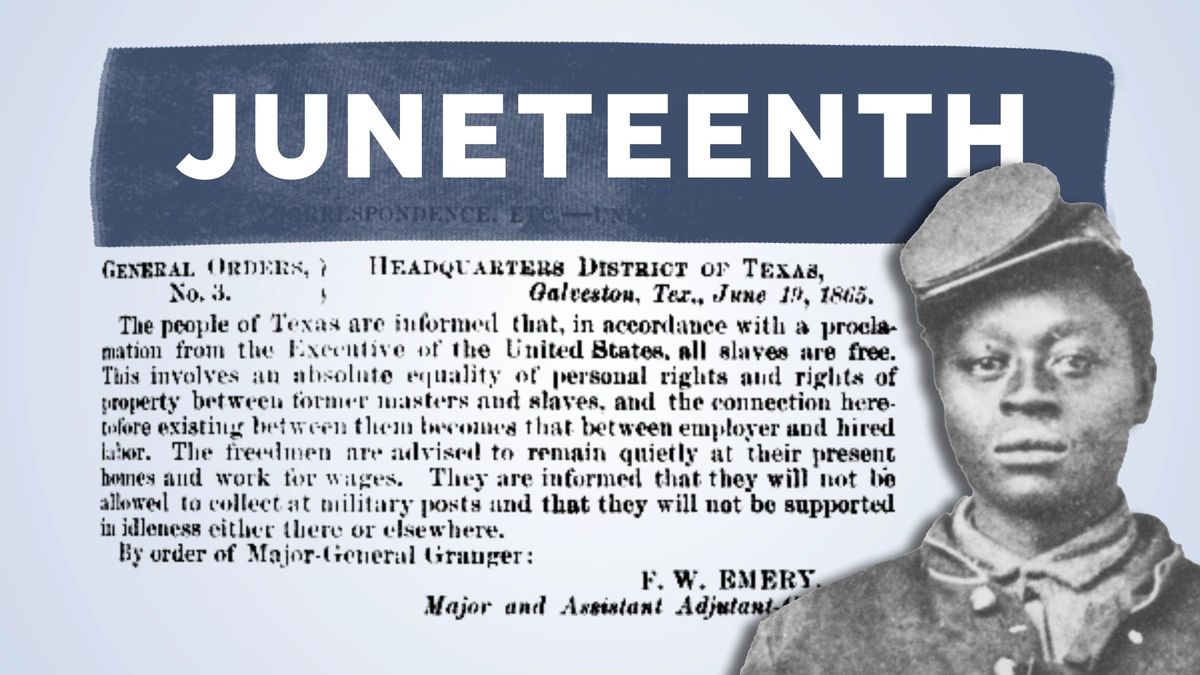
Juneteenth commemorates a pivotal moment in American history, but its significance is rooted in events that unfolded over several years. On January 1, 1863, President Abraham Lincoln’s Emancipation Proclamation officially declared freedom for enslaved people in Confederate states. However, enforcement relied heavily on Union military advances, meaning freedom wasn’t immediately realized for everyone. In many Southern regions, particularly those with minimal Union presence, enslavement continued in practice long after the proclamation took effect.
The turning point came with the Union’s victory in the Civil War. General Robert E. Lee surrendered at Appomattox Court House in April 1865, effectively ending the conflict. Even then, news traveled slowly, and resistance persisted. It wasn’t until June 19, 1865—over two years after the proclamation—that Union troops arrived in Galveston, Texas, to enforce emancipation and inform the last remaining enslaved communities of their freedom. This moment marked the true beginning of liberation for thousands.
For modern audiences, especially educators and community leaders in cities like Columbus and across Ohio, understanding this timeline emphasizes the importance of accurate historical narratives. It highlights how policy, military action, communication, and local context intersect in shaping lived experience. When teaching or discussing Juneteenth, grounding it in this broader historical arc ensures a more complete and respectful representation of Black resilience and the long road to justice.
Roots of Celebration: How Juneteenth Traditions Took Hold in Texas and Spread Nationally
.jpg)
Juneteenth’s story begins in Galveston, Texas, where on June 19, 1865, Union troops arrived to enforce the Emancipation Proclamation—over two years after it was issued. This pivotal moment marked the true end of slavery for thousands of Black Americans in the state. Early celebrations, known as Jubilee Day, centered around church gatherings, prayer, music, and communal meals—often held in secluded spaces due to segregation and racial tension. These traditions were deeply rooted in community resilience and cultural preservation, serving as both a solemn remembrance and a joyful affirmation of freedom.
As Black Texans migrated across the country during the Great Migration, they carried Juneteenth customs with them. Communities in cities like Houston, Dallas, and later in urban hubs such as Columbus, Ohio, began organizing public parades, educational events, and heritage festivals. These observances evolved to include oral history readings, traditional Black cuisine, and performances of gospel and spiritual music—elements that helped ground younger generations in their ancestry.
By the late 20th century, Juneteenth had become a symbol of national significance, promoted by activists and educators advocating for broader historical recognition. The holiday’s expansion was fueled by grassroots organizing, intergenerational storytelling, and increasing awareness in schools and civic institutions. For educators and cultural leaders today, honoring Juneteenth means creating inclusive spaces where local narratives are highlighted, ensuring the legacy continues to thrive—both in Texas and across the United States.
7 Ways Modern Communities Celebrate and Honor Juneteenth Today
.JPG)
Juneteenth is no longer just a regional observance—it has evolved into a nationally recognized moment of reflection, celebration, and education. With federal recognition and growing awareness, communities across the country, including in cities like Columbus and throughout Ohio, are finding dynamic ways to honor this pivotal day in American history. Here are seven meaningful ways modern society observes Juneteenth:
- Community Festivals and Cultural Parades
- Cities and towns host vibrant Juneteenth festivals featuring live music, traditional African American cuisine, dance performances, and vendor markets highlighting Black-owned businesses. These events foster connection and pride, transforming public spaces into hubs of cultural expression and resilience.
- Educational Workshops and Panel Discussions
- Schools, libraries, and community centers facilitate programming that explores the historical significance of June 19, 1865, and its relevance today. Topics often include Reconstruction, civil rights milestones, and intergenerational healing, helping bridge knowledge gaps in accessible ways.
- Public Readings of the Emancipation Proclamation
- Symbolic readings of General Order No. 3—delivered in Galveston in 1865—are now a cornerstone of many celebrations. These public recitations serve as powerful reminders of the delayed but undeniable arrival of freedom.
- Support for Black-Owned Enterprises
- Juneteenth has become a catalyst for economic empowerment. Consumers and organizations are encouraged to redirect spending toward Black entrepreneurs, reinforcing community sustainability and wealth-building initiatives.
- Historical Marker Unveilings and Local History Tours
- Communities are reclaiming forgotten narratives by installing markers at significant sites and offering walking tours that spotlight local Black heritage. These efforts deepen regional historical literacy and foster pride in hometown stories.
- Art Exhibits and Cultural Installations
- Museums and public galleries curate exhibitions honoring African American art, music, and innovation. Visual storytelling through murals, sculptures, and multimedia experiences makes history tangible and emotionally resonant.
- Federal and Municipal Recognition Efforts
- Since Juneteenth became a federal holiday in 2021, government institutions at all levels now incorporate official observances, including flag-raising ceremonies, proclamations, and inclusive civic programming that affirms the day’s national significance.
These observances not only commemorate history but also inspire ongoing dialogue about equity, education, and community strength.
Frequently Asked Questions About Juneteenth: Significance, Traditions, and Respectful Engagement
What does Juneteenth signify in American history? Juneteenth commemorates June 19, 1865, the day Union General Gordon Granger arrived in Galveston, Texas, and enforced the Emancipation Proclamation—two years after it was originally issued. This moment marks the effective end of slavery in the United States and is celebrated as America’s Second Independence Day. For communities in Ohio and across the nation, it’s a powerful reminder of resilience, justice, and the ongoing journey toward equity.
Why is Juneteenth especially meaningful today? Beyond historical recognition, Juneteenth serves as a catalyst for cultural reflection, education, and community empowerment. In cities like Columbus, local events emphasize African American contributions to civic life, the arts, and social progress. Observing Juneteenth encourages institutions and individuals to deepen their understanding of systemic inequities and support meaningful change.
What are common Juneteenth traditions? Celebrations often include community cookouts featuring red foods—symbolizing resilience and heritage—public readings of the Emancipation Proclamation, educational programs, musical performances, and parades. Many families pass down stories of ancestors, honoring generational strength and identity.
How can I respectfully observe Juneteenth if I’m not Black? Begin by centering Black voices—attend local events hosted by Black-led organizations, support Black-owned businesses, and engage with educational content that highlights historical and contemporary experiences. Avoid appropriation by steering clear of stereotypical costumes or reducing the day to a mere social media post.
Are there meaningful ways to celebrate Juneteenth beyond June 19? Yes—treat Juneteenth as a starting point, not an endpoint. Commit to year-round learning by exploring African American history through books, documentaries, and museum exhibits. Schools and community centers in Ohio and beyond can develop curricula that integrate Black narratives beyond slavery, spotlighting innovation, leadership, and culture.
Beyond Celebration: The Enduring Purpose of Juneteenth in the Journey Toward Equity
Juneteenth is far more than a symbolic date—it's a living call to action in the ongoing pursuit of racial justice and equity. As communities across the nation, including in cities like Columbus and throughout Ohio, come together each year to reflect, learn, and honor, the true power of this holiday lies in its ability to inspire sustained change. Rooted in the delayed but undeniable emancipation of Black Americans, Juneteenth challenges us to examine how far we’ve come while remaining vigilant about how much work remains.
This moment is an opportunity to move beyond passive observance and into active engagement. Consider integrating year-round programming that highlights Black contributions, uplifts marginalized voices, and supports equitable education. Partner with local organizations, amplify regional histories, and incorporate primary-source storytelling into your digital and community platforms. Use your website not just as an archive, but as a tool for dialogue and action.
Take the next step: evaluate your current outreach or educational content. Does it reflect the full spectrum of African American experiences—resistance, resilience, innovation, and joy? By anchoring your efforts in authenticity and community collaboration, you help ensure that Juneteenth’s legacy evolves from commemoration to transformation. Let this day be both a milestone and a starting point—for continuous learning, meaningful inclusion, and lasting impact.
Ask the Historian
Have a question about this story, or an idea for a future post? Send it here.