
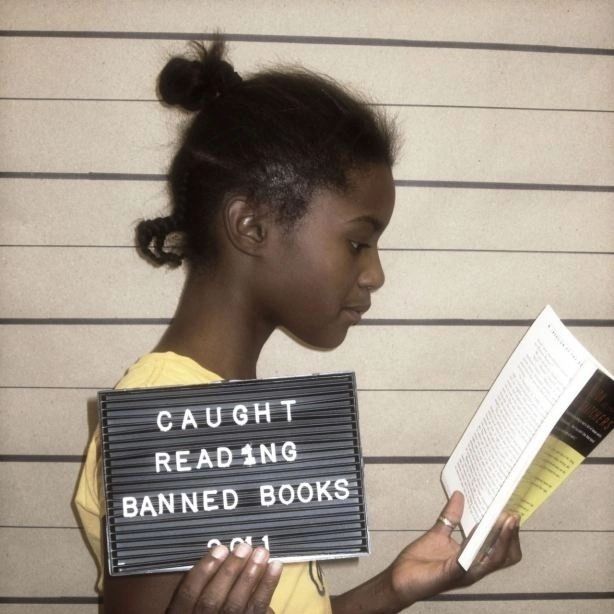
Book bans and censorship are common components of authoritarian and fascist regimes. In our modern moment, we equate this type of behavior with Nazi Germany or Facist Italy. It was also a component of Jim Crow America. During the Jim Crow era ( 1896-1954), it was common for segregationists to ban books which challenged the status quo and promoted equalitarian treatment of African Americans. Today, book bans have taken on a particularly pernicious and problematic aura. They threaten the very foundation of our democracy.
The current round of book bans is an attempt to revisit America’s cultural wars. But unlike the cultural wars of the 1980s and 1990s, today’s issues are deeply politicized and are being enacted legislatively across the country. Conservative legislators have enacted legislation which has essentially made reading certain books prohibitive. They are doing so with the belief that American culture consists of a normative set of books, which supposedly embrace American values of patriotism, traditional Christian values and family values. More important, added to this seemingly innocuous agenda is the fact that these individuals are hell-bent on promoting a conservative political agenda that favors Republican interests.
What accounts for this latest round of boom bans? What organizations and group are leading the charge? And why have these efforts gained so much support. The origins of recent book bans can be linked to the recent pandemic, the explosion of nationwide protests in the aftermath of the murder of George Floyd, the growth of the Black Lives Matter movement and the national backlash at the local and state levels against these developments. It can also be considered the tail-end or cumulative result of the nation’s rightward turn during the Trump presidency ( 2016-2020)
Leading this new censorship and banning wave are parents, school boards, state legislatures and conservative action groups emboldened by Republican gains in state legislatures and a strident anti African American, Women, and LGBT agenda. States including Arizona, Georgia, Iowa, Idaho, Indiana, Kansas, Florida, Tennessee, Oklahoma and Utah have either passed or have legislation on the books to ban certain books. Some have termed this moment as the Ed Scare, which is a new take on the Red Scare, which was a Hysterical fear of Communist infiltration of all facets of the United States government. Interestingly, more than 70% of parents nationwide oppose these bans, but a vocal minority has seized control of the bully pulpit and is highly organized and influential in making these changes.
This atmosphere has led to explosive rise in book bans and censorship. According to PEN, from July to December 2022 there were 1,477 cases of book banning, which was up from 1.149 in the previous six months. The organization began tracking this trend in 2021. It has documented more than 4,000 instances of book removals.
Interestingly enough, the banned books comprise mostly titles by African American authors. Some of the prominent authors who appear on the list include Toni Morrison, Langston Hughes, Zora Neale Hurston, Maya Angelou, James Baldwin and contemporary writers such as Ibram Kendi and Ta-Nehisi Coates. Other prominent authors whose books have been banned include Maia Kobabe’s Gender Queer, Mike Curato’s Flamer; Ellen Hopkins’ Tricks, and Margaret Atwood’s The Handmaids Tale
While book bans have become ubiquitous across the country, Florida is ground zero for this activity. It also provides the best example of the convergence of right-wing conservatism and activism. Led by Governor DeSantis, Florida has embarked on legislative measures designed to curtail LGBTA rights and has placed restrictions on what is acceptable to teach in Florida’s schools and colleges and universities. Most recently, he has banned the AP African American Studies course. He has also engineered the takeover of a local college, New College of Florida, replaced most of its Board of Trustees with state officials and removed the president. DeSantis is determined to change the landscape of K-12 and higher education in the state.
Book banning and censorship is a dark road on which to embark. Stifling personal and academic freedom is a slippery slope. Not surprisingly, these efforts are being opposed. Just recently, on May 3, various groups sponsored a National Teach-In designed to showcase banned books and promote academic freedom. Scholars, teachers and activists sponsored programs nationwide to challenge book banning and censorship and to raise their voices in dissent. They are also organizing to make many of the books on the banned lists more widely available to the public. These efforts are promising and demonstrate that you cannot truly ban ideas. They have a way of bubbling up from under any ban or seal and often prove impossible to stamp out and eradicate.
Ask the Historian
Have a question about this story, or an idea for a future post? Send it here.