
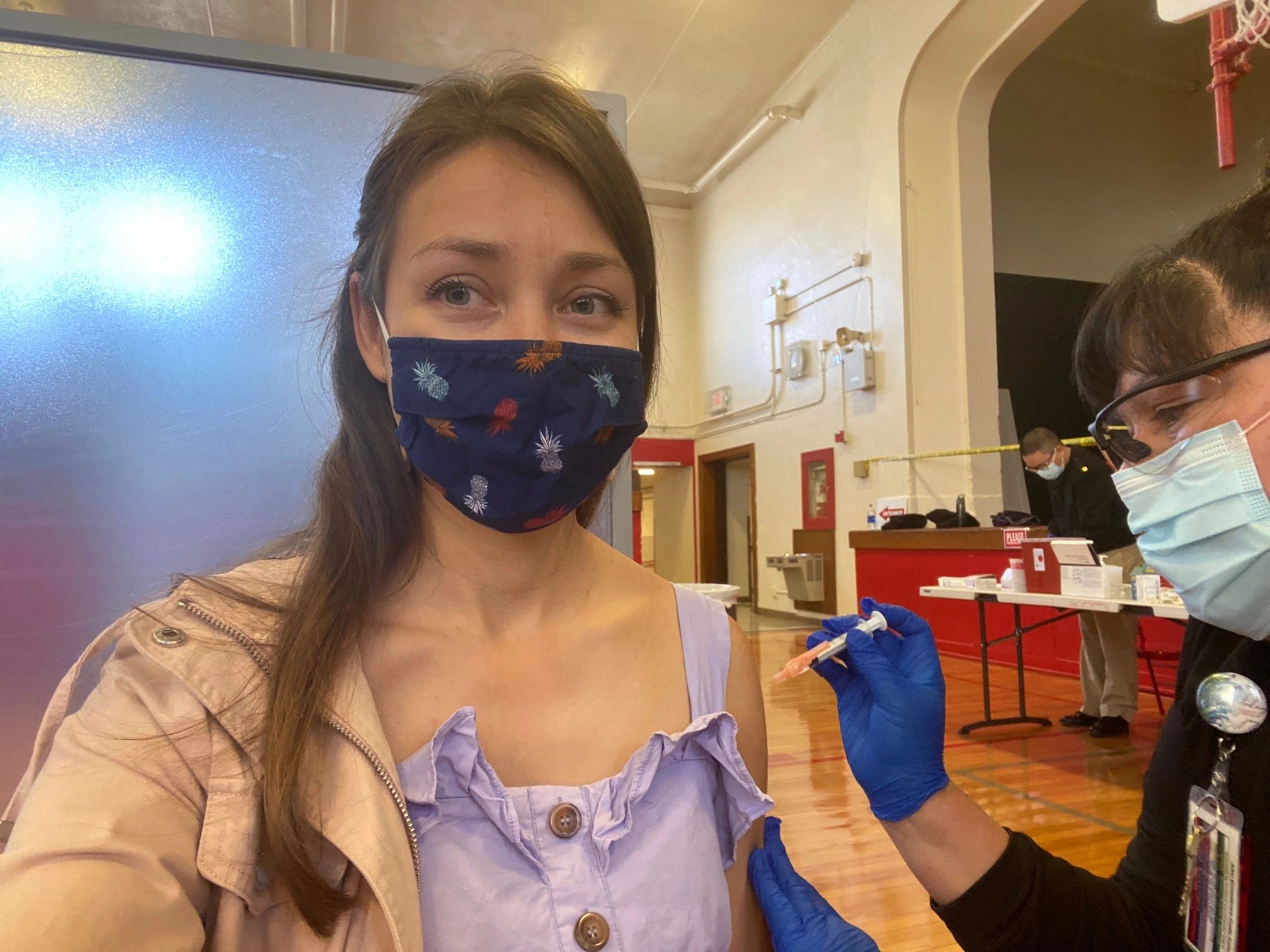
As a historian and Iñupiaq, Alaska Native, I have read stories about various pandemics that brought mass death to Indigenous nations. Pandemics ranging from smallpox in the post-Columbian era, to influenza in the early 20thcentury, to measles and tuberculosis in Alaska during World War II, and COVID-19 have, in turn, ravaged our community. Our contemporary moment reveals a continuation of Indigenous sovereignty amidst sequential pandemics.
The COVID-19 pandemic has disproportionately impacted Black and Hispanic populations and the American Indigenous population. . Numerous sources show minority populations experienced the highest rates of hospitalizations and death. Tribal regions from rural parts of Indian Country in the American Southwest to rural Alaska suffer from a lack of clean water making it difficult to implement the sanitation practices recommended by the CDC. Gauging the impact of this pandemic using data on mortality is only one way to assess its scope. Statistics cannot truly reflect the personal experiences of those who lost loved ones during the pandemic. Several of the elders who passed away from the pandemic were the last fluent speakers of Native languages.
Despite their own challenges, tribes in Oklahoma offered vaccines to non-Native citizens to protect the greater public health. During the past year, state and federal government agencies have failed to provide adequate PPE and struggle to distribute vaccines. As tribes have stepped in to provide vaccines for Indigenous citizens and local populations, the tribes demonstrate their sovereignty within the realm of public health.
The federal government’s response to the pandemic caused division in Indian Country. Divisions occurred regarding the allocation of federal funds. The process resulted in litigation between Native nations and Alaska Native Corporations. The Alaska Native Corporations, which operates independently from tribal governments, emerged in 1971 following the Alaska Native Claims Settlement Act. Since this time, in Alaska, Native Corporations and tribal governments coexist. In 2020, the Secretary of the Bureau of Indian Affairs included Alaska Native Corporations in the CARES Act. The CARES Act provided COVID-19 relief payments to state, local, and tribal governments The funding structure for these payments led to litigation between several tribes and the Alaska Native Corporations. The Tribe of St Paul’s position, which is one of three Alaska Native tribes that united with tribes in the continental US, was that Alaska Native Corporations be excluded from receiving funds under the CARES Act allocated for tribes."
In June 2021, the US Supreme Court ruled that Alaska Native Corporations and village corporations are eligible to receive federal funds from the CARES Act. Tribal governments in Alaska view this as an affront to the federal recognition of Native sovereignty. This decision benefits the federal government which pits Native groups against each other essentially weaponizing limited federal resources.
Over the decades, including during and after the termination era of the federal Indian policy from the 1940s-1960s, the federal government has sought to remove tribal sovereignty. Colonial tactics of divide and conquer related to limited federal funding continue to negatively impact Indian Country. The courts alone cannot decide or determine the fate of Native nations. And yet, regardless of what a colonial court decides, Indigenous sovereignty cannot willfully disappear by colonial forces that have a vested interest in displacing the Indigenous from their sovereign rights and their land rights." Not surprisingly and similar to the previous pandemics, Indian Country is surviving, and their tribal governments are working toward maintaining and improving the public health of their citizens.
Ask the Historian
Have a question about this story, or an idea for a future post? Send it here.