
.jpg)
.jpg)
*This is the first of several blogs on the conflict in Gaza. Our goal is to deepen understanding of the conflict and shed light on ramifications and its implications for the broader world. This blog provides basic infomation about the conflict from the late nineteenth century up to the OSLO accords in 1993. We will follow up with the a blog on the conflict from Oslo II to October 7th. I hope you will think deeply about this information and take action to serve as a constructive force for change in the world.
The current conflict in Israel, Gaza Strip and the West Bank is part of a long standing struggle for self-determination, autonomy and independence for the Palestinian people. A conflict with origins in the late nineteenth and early twentieth centuries has now dominated the headlines in the twenty-first century. During the nineteenth century, the area today known as Palestine, which includes modern day Israel, was inhabited by Arabs (Palestinians). It was controlled by the Ottoman Empire. This remained the case until the early twentieth century. The aftermath of World War I led to the reconfiguration of geopolitical boundaries. The collapse of the Ottoman Empire wrought changes for the Palestinian people. The British occupied Palestine. Jewish groups known as Zionists, those who believed that Jews were the rightful inheritors of Palestine and led by Theodore Herzl, lobbied the British to institute the Balfour Declaration in 1917. The Balfour Declaration declared a homeland for Jews in Palestine. The Balfour declaration was criticized for its failure to consider the desires of the Palestinians who occupied the land.
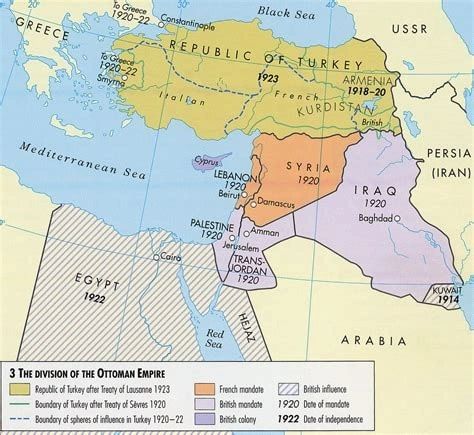
In the interwar years ( 1929-1939), the thousands of Jews settled in the area known as Palestine. These settlements led to constant conflict between Jews and Arabs. This situation was exacerbated by World War II and the Holocaust, the systematic extermination of European Jewry between 1939 and 1945. Jews emigrated to Palestine in large numbers following World War II. Some of the immigration was facilitated by the Jewish Resistance movement, which played an active role in chalenging British policies in the region.

Given the fracticious nature of the situation, the newly formed United Nations (1945) entered the fray. The UN formed a Special Committee on Palestine. The committee proposed after two years, that within the current borders of Palestine an Arab and a Jewish state and the city of Jerusalem should be established. The plan provided for the realization of the mandate no later than October 1, 1948.
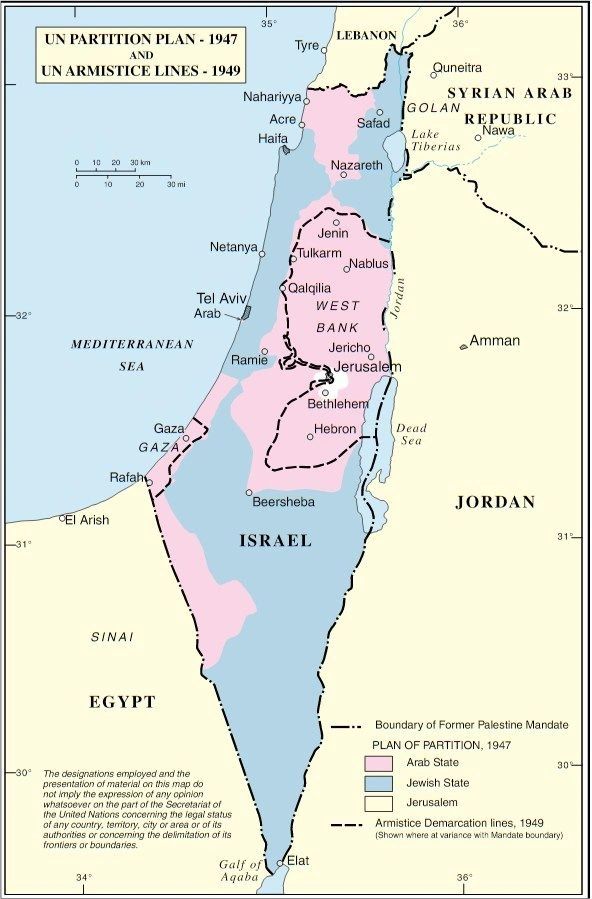
As the British prepared to evacuate the region, fighting between Arabs and Jews intensified. This situation was further complicated by the Israel's Declaration of Independence on March 14, 1948, one day before the British mandate ended. These actions led to the 1948 Arab-Israeli War. Four Arab nations--Jordan, Syria, Egypt and Iraq attacked Israel The conflict led to a major forced relocation of Arabs as they fled major population centers such as Haifa and Jaffa. This led to a major refugee problem. More than 800,000 Arabs were displaced. Arabs refer to these events as the Nakba or disaster.
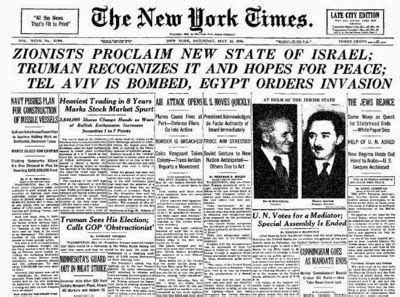
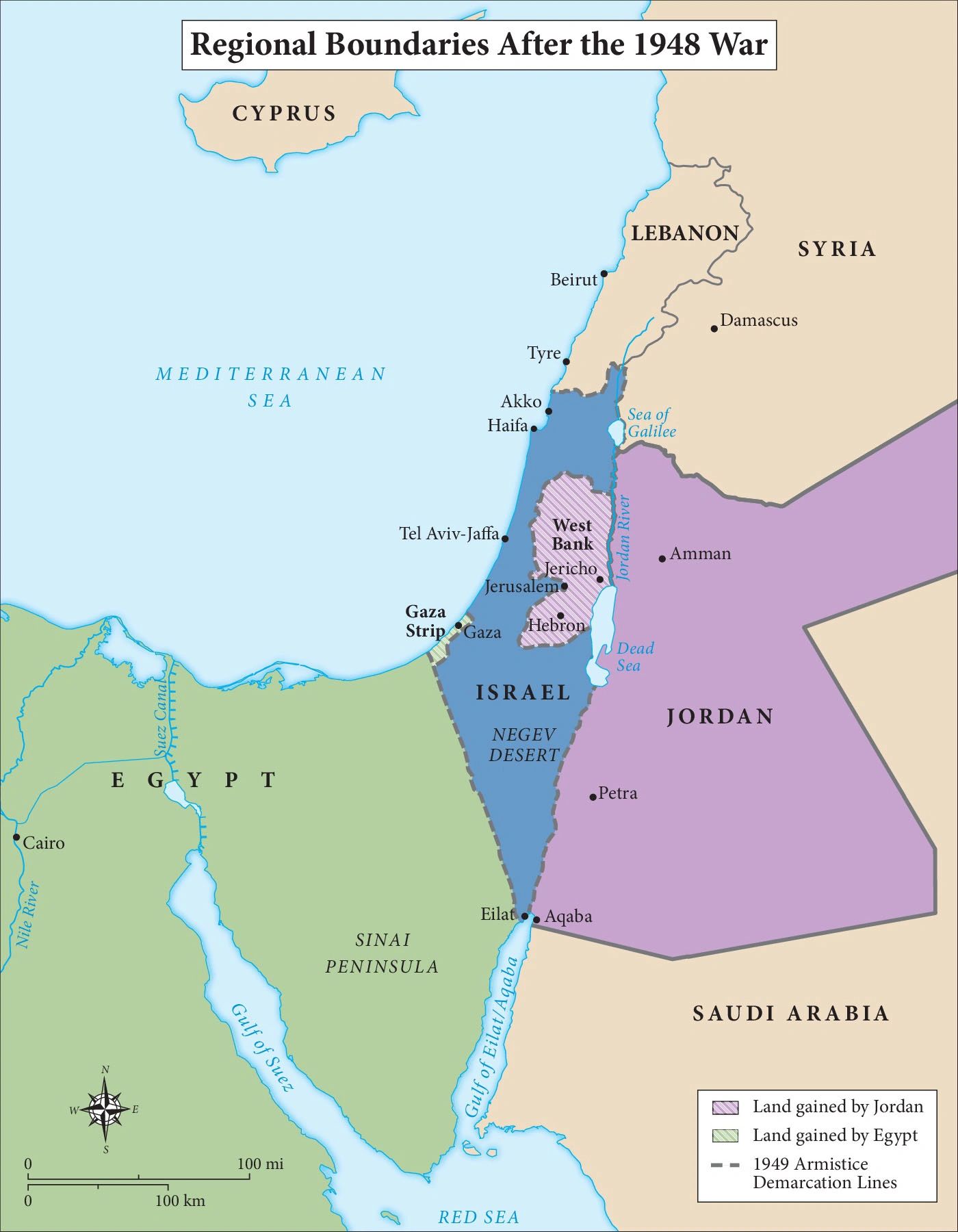
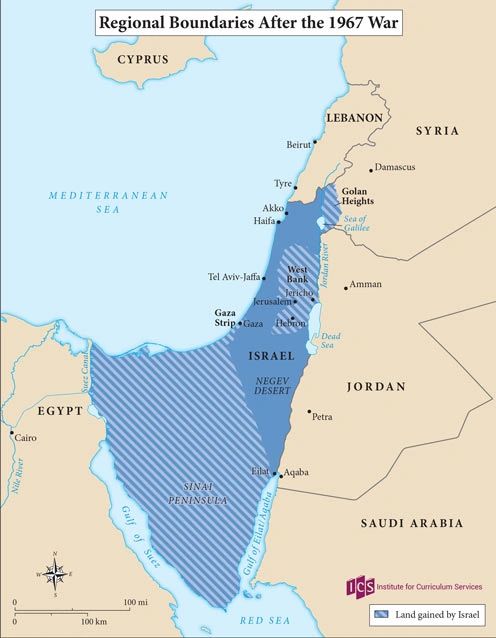
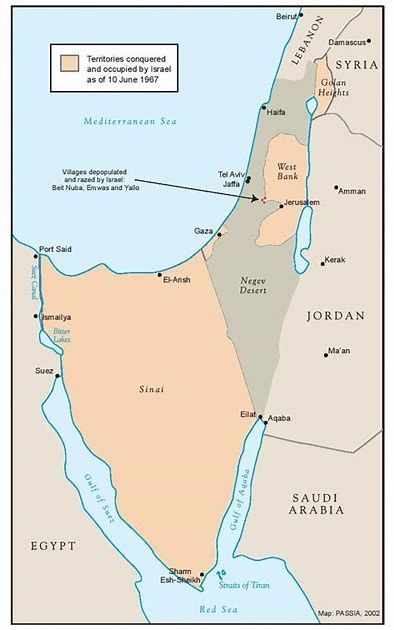
The end of the war led to Israel's expansion beyond the borders of the proposed Jewish state and into the boundaries of the Palesitnian state. The West Bank and Gaza strip were occupied by Egypt and Transjordan (current Jordan). Subseqent conflicts such as the Six Day War (1967) led to Israel's decisive defeat of Arab forces and acquisition of the West Bank from Egypt and the Gaza Strip from Jordan.
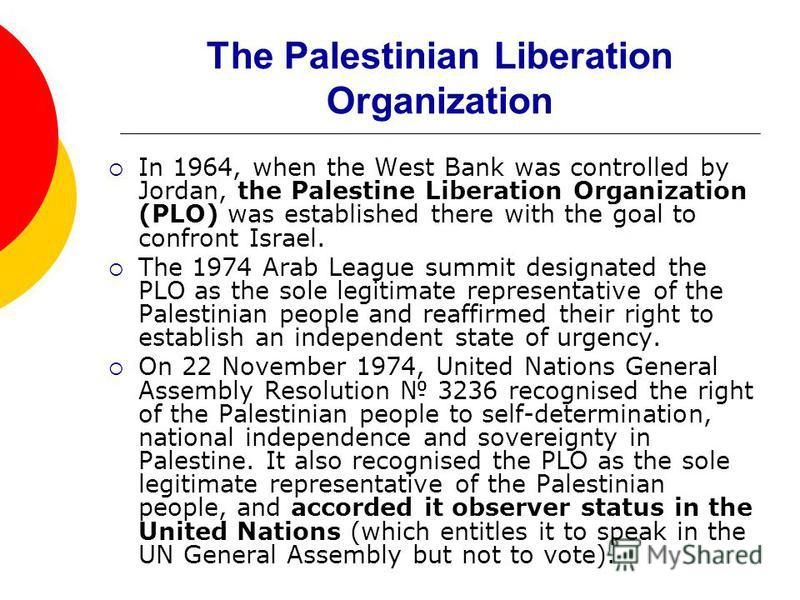
Perhaps one of the most important developments was the creation on the Palestinian Liberation Organization (PLO) in 1964. The PLO used armed means to secure the liberation of Palestine, it was anti-Zionist and called for self-determination and the right of return for Palestinians. In its early history, the PLO attacked Israel to achieve its goals. This led to their explusion to Jordan. Infighting in Jordan led to the PLO's expulsion to Lebanon. From the base in Lebanon, the PLO launched attacks against Israel.
In 1973, the Yom Kippur War occurred. This was a well planned attack by Egypt and Syria against Israel. Although the Egyptians and Syrians made headway to start, Israel slowly gained the upper hand. The settlement obtained between Israel and her Arab neighbors paved the way for the Camp David Accords (1979). These agreements settled the thirty-year conflict between Egypt and Israel. In 1974, the Ten Point Program was enacted by the PLO, which among other things included a denial of the UN Security Council Resolution 242; denial of the State of Israel, demand for return of all Palestinian refugees and the establishment of an Arab-Palestinian state in Palestine according the the pre-1948 boundaries. The statement was important because it acknowledged the use of other means in addition to force--diplomatic, political, economic, etc. It also suggested the establishment of a Palesntinian National Authority.
Permanent Observer Mission of Palestine to the United Nations - 10 Point Program of the PLO (1974) (archive.org)
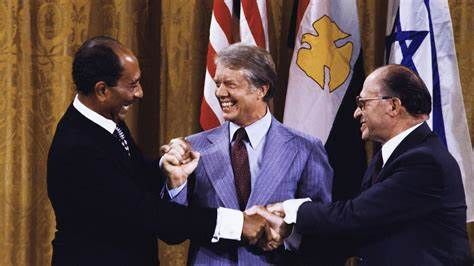
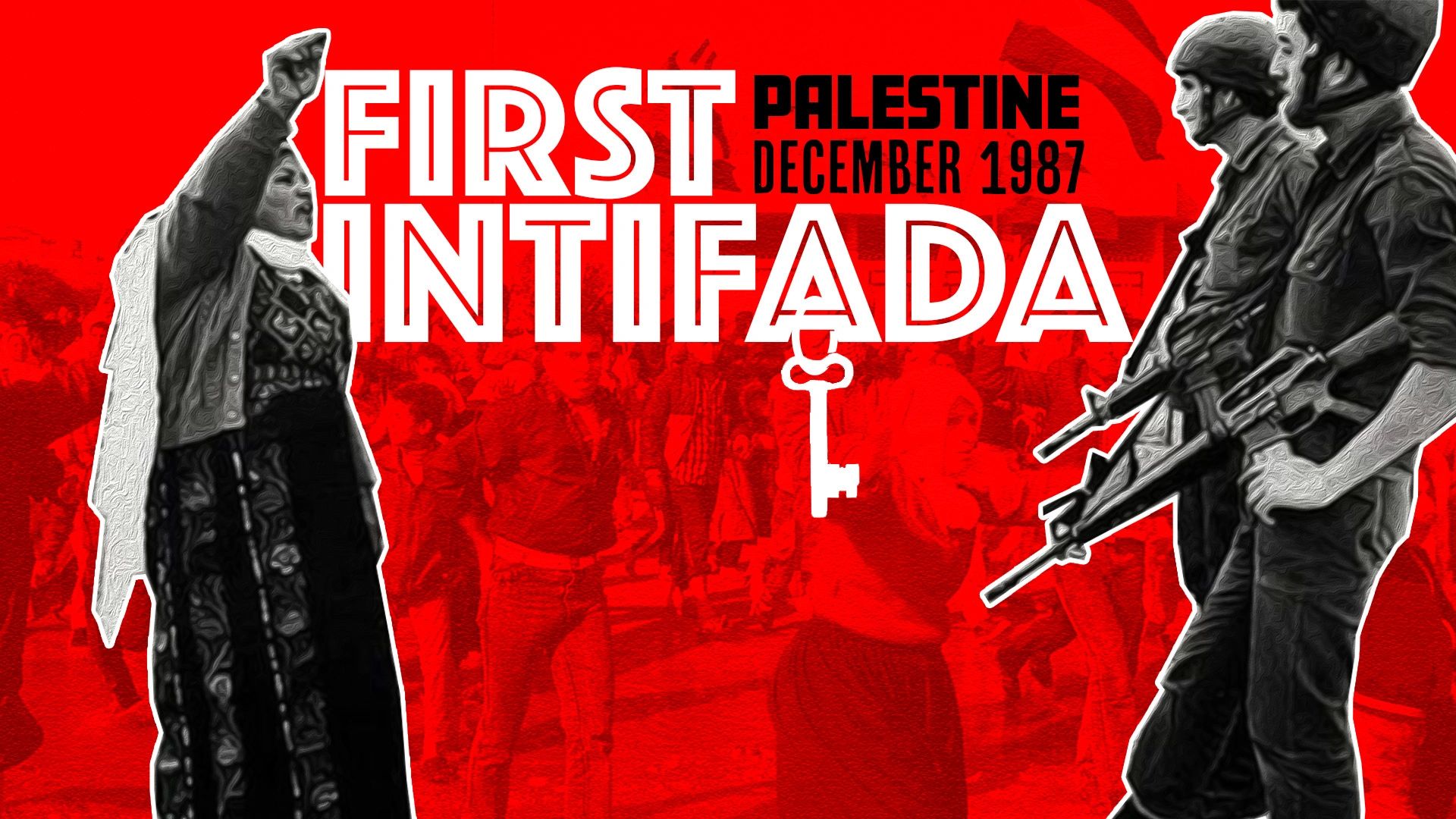
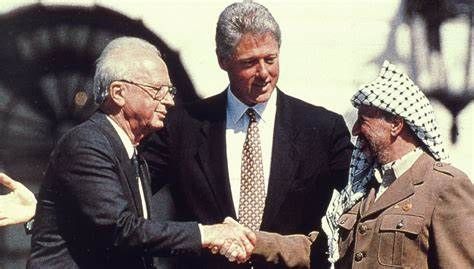
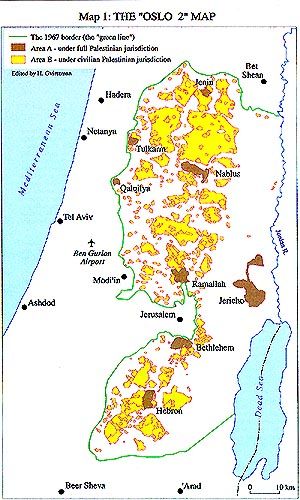
Although the Camp David Accords improved the relationship betweeen Israel and Egypt, it did little to address the Palestinian question. These unresolved issues led to an uprising among Palestinians in the West Bank and Gaza. This was known as the First Intifada. The Oslo I Accords mediated the conflict by establishing a framework for Palestinian self-governance in the West Bank and Gaza Strip and mutual recognition of the PLO and the Israeli government. In 1995, the Oslo II agreement expanded on the first agreement, addding provisions that mandated the complete withdrawal of Israel from 6 cities and 450 towns in the West Bank.
Ask the Historian
Have a question about this story, or an idea for a future post? Send it here.