

The victories of November 3 should not be reduced to a collection of exceptional candidates. Behind the names on the ballot stand the people who registered neighbors, kept organizations alive between elections and made voting a shared responsibility. The statehouse results matter because that work can now become governing power: signatures on legislation, decisions about budgets and resistance to policies that undermine voting rights and equity.
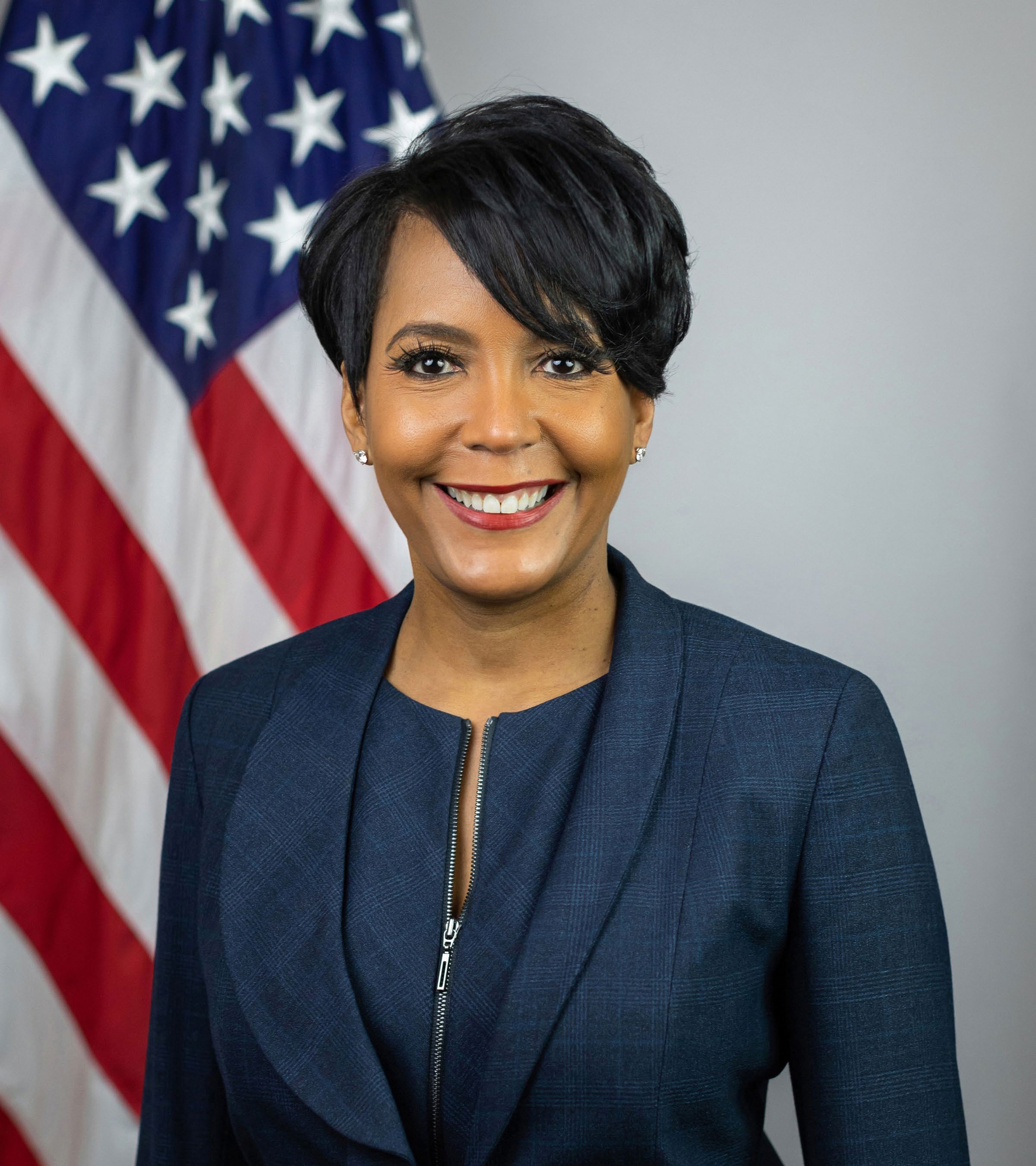
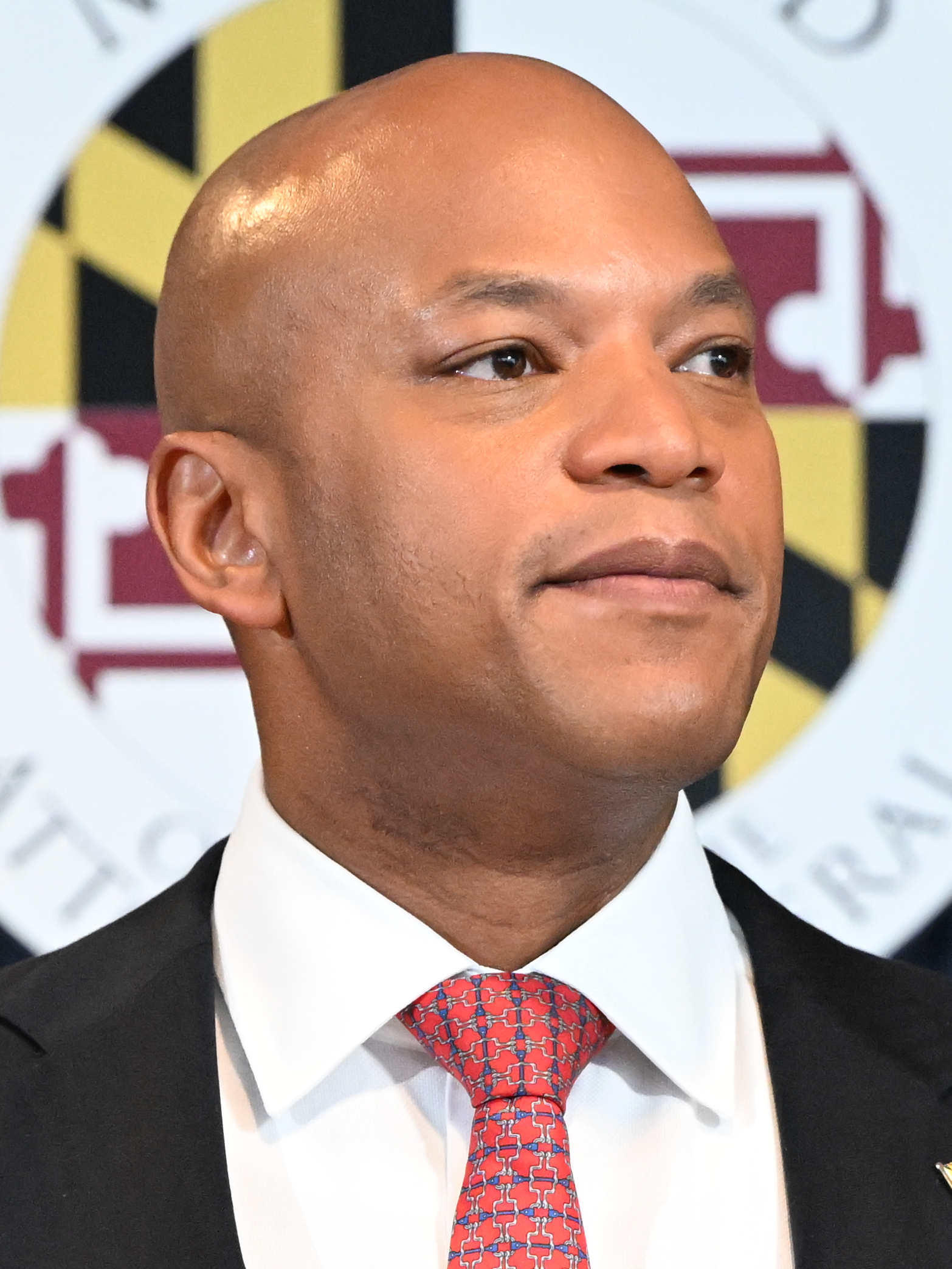
Four Black Democrats won governorships in Maryland, Georgia, Nevada and Wisconsin. Wes Moore won reelection; Keisha Lance Bottoms, Aaron Ford and David Crowley won new offices. Bottoms carries a movement inheritance into the Georgia statehouse: she is the niece of Ruby Doris Smith Robinson, the Spelman student who joined the sit-ins, rode with the Freedom Riders and became the only woman to serve as executive secretary of the Student Nonviolent Coordinating Committee. On primary night in May, Bottoms invoked her aunt's name. The line from SNCC's Atlanta office to the governor's mansion runs through one family and the organizing tradition that family helped build. In Michigan, Abdul El-Sayed won a different kind of power: a seat in the U.S. Senate. These are not interchangeable offices. Together, however, they create places where communities can press their demands after the campaign signs come down.
The Work Before the Victory
Black Voters Matter offers a useful starting point for understanding the ground beneath these results. Its published core beliefs emphasize local infrastructure, rural counties and small towns, the leadership of Black women and organizing on the 364 days between elections. Registration and turnout, the organization explains, are only the beginning of building power.
That is a theory of politics rooted in relationships rather than transactions. A person who trusts a neighbor, a church member or an organizer encountered repeatedly is not simply a name purchased for a mailing list. Political information moves through places where people live, work, worship, meet and enjoy themselves. Older residents carry memories of previous struggles; younger organizers carry those lessons into new networks. The community does not begin with a candidate and disappear after a concession or victory speech.
Reporting on Black Voters Matter in Georgia has documented that method: local organizers, church parking lots, neighborhood caravans and sustained contact after an election. That reporting establishes the model, not a numerical accounting of every vote cast in 2026. The statewide returns show who won. Explaining precisely how much each community contributed requires precinct results, turnout comparisons and testimony from the organizers themselves. Those are different kinds of evidence, and both matter.
Our argument is not that money and campaign tools have no effect. It is that they should not be mistaken for the community infrastructure that gives them meaning. Disciplined, thoughtful and hopeful person-to-person work is political capacity. The question after November 3 is whether the governments it helped make possible will honor it.
Four Governorships, Four Responsibilities
NBC’s governor results provide the working figures below. They describe the count available for this article, not a promise that every decimal will remain unchanged as counting continues.
- Maryland — Wes Moore: Reelected. NBC showed 62.7 percent for Moore and 33.2 percent for Dan Cox. The Associated Press called Moore’s victory.
- Georgia — Keisha Lance Bottoms: Elected over Rick Jackson, 54.3 percent to 45.7 percent in NBC’s results. NBC projected her victory.
- Nevada — Aaron Ford: Elected over incumbent Joe Lombardo, 51.4 percent to 44.4 percent in NBC’s results. NBC projected Ford’s victory.
- Wisconsin — David Crowley: Elected over Tom Tiffany, 54.1 percent to 45.9 percent in NBC’s results. NBC projected Crowley’s victory.
The common achievement is statewide executive authority. The practical responsibilities will differ. Each governor inherits a particular legislature, budget, set of state laws and administrative machinery. A win does not automatically produce an equitable school-funding formula, accessible polling places or effective enforcement of civil rights. Those require decisions and continued pressure.
For the organizations that turned participation into a habit, the next stage is not to become a governor’s cheering section. It is to insist that the agenda remain connected to the lives of the people who did the work. Access to an office is useful only if it becomes access to decisions.
A Veto Is Power, Not a Cure-All
The National Conference of State Legislatures explains that governors have constitutional authority to veto legislation, with the procedures and scope varying by state. That gives a governor a real means of resisting harmful bills. It does not make the office all-powerful: legislatures can override vetoes under their state’s rules, and governors remain bound by constitutions and courts.
This is the concrete meaning of a statehouse firewall. It is not a slogan for guaranteed protection from every federal action. It is an institutional position from which leaders can oppose restrictive legislation, advocate equitable spending and direct the executive responsibilities their states assign them. Governors do not all personally administer elections or possess identical powers over judges and agencies. The original campaign shorthand must give way to that more precise account.
The same standard applies to representation. Florida elected Republican Byron Donalds; NBC showed 50.0 percent for Donalds and 48.7 percent for David Jolly. South Carolina elected Republican Alan Wilson over Democrat Jermaine Johnson, 51.6 percent to 47.1 percent in NBC’s results. In Michigan, Jocelyn Benson defeated John James, 54.5 percent to 43.8 percent; in Minnesota, Amy Klobuchar defeated Lisa Demuth, 55.5 percent to 42.6 percent.
Those outcomes belong in the record. They also underline why the presence of a Black candidate alone cannot answer the policy question. The test is what an officeholder does about voting access, civil rights, public education and economic security—not whether a photograph makes the government look more representative.
Michigan’s Other Seat of Power
The Associated Press reported Abdul El-Sayed’s victory over Mike Rogers for Michigan’s U.S. Senate seat. El-Sayed was not elected governor. His work will take place in Congress, not at the head of Michigan’s executive branch.
A senator participates in federal legislation, votes on nominations and helps conduct oversight. A governor leads a state executive branch and acts on state legislation. Conflating those roles obscures where readers can demand action and who is responsible for delivering it.
Read alongside the governor results, El-Sayed’s win broadens the institutional picture. Community demands need advocates at more than one level of government. They also need organizations independent enough to challenge those advocates when promises are narrowed, postponed or abandoned.
Keep the Community in the Room
The enduring story of November 3 is not simply that the right people reached the right podiums. It is that politics remains possible through patient work carried across generations. Common-sense methods—conversation, trusted relationships, registration and repeated contact—build something a campaign cannot purchase overnight.
The next measure of these victories will be what happens to the people who made them possible. Do voting protections improve? Do budgets address unequal access? Can local organizations get answers without needing a consultant to arrange the meeting? Does the work remain visible once television crews leave?
Free readers can join our newsletter to follow that accountability. Founding members support independent Black history journalism and Black Thread for $9.99 a month, for life. Become a founding member.
The HistorianSpeaks dispatch
Track Black politics past and present. One dispatch a week, free.
Ask the Historian
Have a question about this story, or an idea for a future post? Send it here.