
Essence has reported the death of Marcia Ann Gillespie at 82. For a generation of Black women readers, she was the editor who made a glossy magazine feel like a meeting of equals: smart, political, stylish and unafraid.
Twenty-Six and in Charge
Gillespie was hired at Essence in 1970, the year the magazine launched, and became its editor-in-chief in 1971 while still in her twenties. The early magazine was searching for a voice. She gave it one. Under her direction, Essence treated Black women as whole people: workers, mothers, lovers, activists, thinkers and consumers with their own tastes.

Beauty Pages and Hard Questions
Gillespie never accepted that fashion and politics belonged in separate magazines. Readers turned from hair and style coverage to essays on health, money, work, family and the freedom struggles in Africa and at home. She opened the pages to Black women writers and to subjects mainstream women's magazines ignored. Through the 1970s, circulation grew and the magazine became a fixture in Black households.
A Tradition Older Than Essence
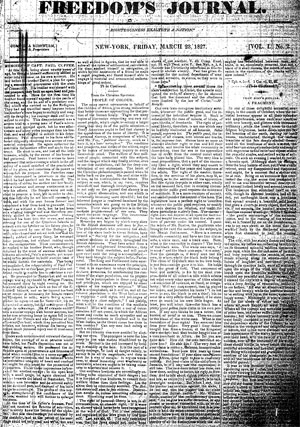
Her work stood in a line that runs back to 1827, when Samuel Cornish and John B. Russwurm told readers of Freedom's Journal, "We wish to plead our own cause. Too long have others spoken for us." Gillespie applied that principle to Black womanhood: Black women would describe their own lives.
Taking the Chair at Ms.
In 1993 Gillespie became editor-in-chief of Ms., the first African American woman to lead the flagship feminist magazine. She brought to it the conviction she had carried at Essence: that a feminism blind to race and class was incomplete. Her tenure helped steer Ms. through its ad-free era, an experiment in independence from the advertisers who shaped so much of the women's press.

Friend and Chronicler of Maya Angelou
Gillespie was also a close friend of Maya Angelou and co-authored Maya Angelou: A Glorious Celebration (2008), a portrait of the poet's life in words and pictures.

What Her Editing Still Teaches
Gillespie's career shows that Black media is not a niche. It is infrastructure. Magazines like Essence gave readers language for their lives and gave writers a place to be published. That work is never finished, and it now depends on readers. HistorianSpeaks and Black Thread exist in the same spirit: independent, Black-led and reader-supported. If her legacy matters to you, join free or become one of our founding members at $9.99 a month.
The HistorianSpeaks dispatch
Liked this story? Get one like it in your inbox every week.
Ask the Historian
Have a question about this story, or an idea for a future post? Send it here.