
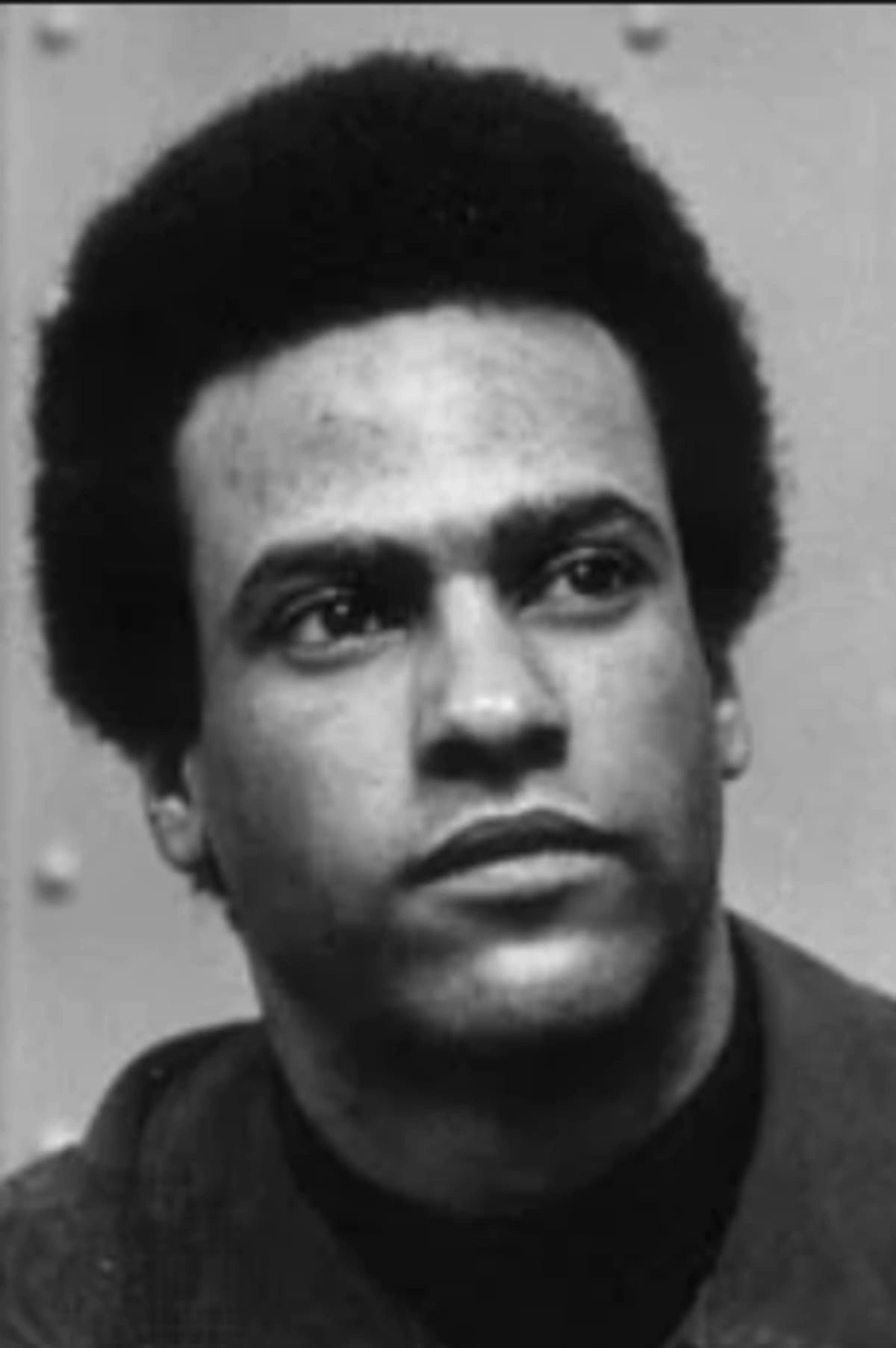
On 17 February 1942, Huey P Newton, founding member of the revolutionary socialist Black Panther Party, was born in Monroe, Louisiana.
Newton described his early activism in the Party, which involved conducting armed patrols to protect Black people from police harassment:
"I always carried lawbooks in my car. Sometimes, when a policeman was harassing a citizen, I would stand off a little and read the relevant portions of the penal code in a loud voice to all within hearing distance… If the policeman arrested the citizen and took him to the station, we would follow and immediately post bail. Many community people could not believe at first that we had only their interest at heart. Nobody had ever given them any support or assistance when the police harassed them, but here we were, proud Black men, armed with guns and a knowledge of the law. Many citizens came right out of jail and into the Party, and the statistics of murder and brutality by policemen in our communities fell sharply."
Newton himself was shot by the police after being racially abused, and he was then jailed for killing a police officer in the ensuing shootout. But following a global campaign for his release, his conviction was overturned on appeal. He was tried twice more, but after the district attorney failed to get a conviction on either occasion he gave up and dismissed the charges.
Later the BPP developed survival programs like free breakfast for children and health clinics while Newton continued to develop important revolutionary theories. He developed the concept of revolutionary intercommunalism for the Party, as opposed to Black nationalism, and was a fierce critic of sexism and homophobia within radical movements, arguing that when people organise "revolutionary conferences, rallies, and demonstrations, there should be full participation of the gay liberation movement and the women's liberation movement."
#HueyNewton #BlackPantherParty #BlackNationalism #RevolutionaryIntercommunalism
Ask the Historian
Have a question about this story, or an idea for a future post? Send it here.