
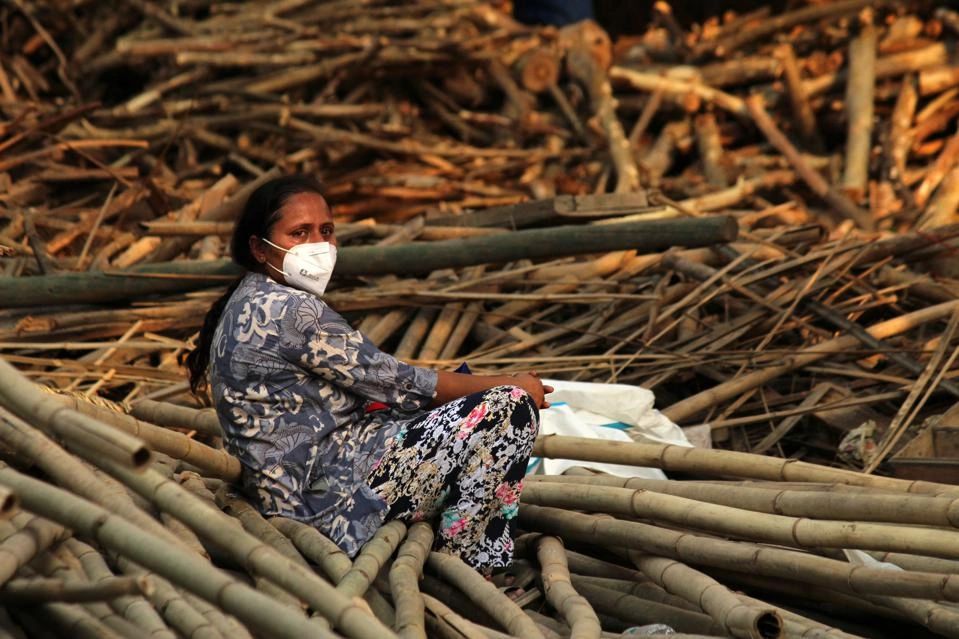
The COVID-19 pandemic has dominated the news cycle since March 2020. Presently, coverage of the pandemic has shifted from daily cases, deaths and positivity rates to vaccination rates, decreased cases, deaths and the lifting of public health mandates in various places around the world. While this is true in many parts of the world, India is an exception. Several months ago, like most of the world, the pandemic seemed on the decline. A harsh lockdown followed by a relative decline in cases was positive news for health officials. Restrictions were lifted and precautions shunted aside. Large political rallies and religious festivals resumed. This easing of restrictions was supported by the Modi government, which declared victory over the virus. The health ministry ignored the rise in cases declaring an “endgame” for the virus. The government and the business community declared India was open for business and normality was the order of the day. Nothing could be further from the truth The country was in the middle of the pandemic’s second wave. The India situation is a cautionary tale. It is a tale that should be heeded around the world. The COVID-19 virus is real and can mutate. To effectively halt this pandemic, government officials and health experts must be vigilant in the fight to eradicate the virus.
Experts believe that India’s second wave of COVID-19 is a new variant of the coronavirus. The variant B.1..617 known as the double mutant is the cause. Extraordinarily little is known about this variant., Scientists are more familiar with the B.1.1.7 which is the variant most common in Great Britain and the United States. They believe this is the strain currently spreading in India. Although the actual variant is unknown, scientists and authorities are certain the vaccines currently in use are effective against the virus.
The explosive surge of the virus has led to severe challenges in India. Cases have skyrocketed above 200,000 per day and deaths exceeded 4500 per day. The Indian health care system has been unable to cope with the crisis. Hospitals are ill-equipped to deal with the surge in the demand for care and patients, in some instances were abandoned to die. The system is overburdened, and shortages are reported in hospital beds, medicines, and personal protective equipment (PPE). The death rate also put extreme pressure of cremation facilities. They were often unable to keep up with the demand.
One of the most pressing needs that has emerged during the second wave is oxygen. Oxygen supply and access have reached critical lows. Families used social media to appeal to the broader community for oxygen. Some are buying their own supplies and administering care at home. The Indian government insists it has adequate supplies. It is expanding its supply. The production facilities are located in eastern India. The outbreaks are taking place in Delhi and in the western state of Maharashtra.
Another interesting part of India’s pandemic response is vaccination. Interestingly, India is one of the world’s largest producers of vaccines. Yet it has proved unable to inoculate its own citizens. Vaccination centers have closed. Plans to export millions of doses have also been halted. Due to the country’s vaccination shortfalls.
The COVID-19 surge in India is nothing sort of a national emergency. While the surge has begun to ease across the country, it remains a devastating chapter in the nation’s history. Hospital overrun with patients, unprecedented shortages of critical medical supplies such as oxygen, bodies piled high in cremation facilities and vaccinations at a standstill. Perhaps, one of the most poignant scenes is the discovery of numerous bodies in the Ganges River. Long viewed as a ceremonial conduit between the living and dead, it like India is awash in bodies, death and the vicious markings of a global pandemic.
Ask the Historian
Have a question about this story, or an idea for a future post? Send it here.