
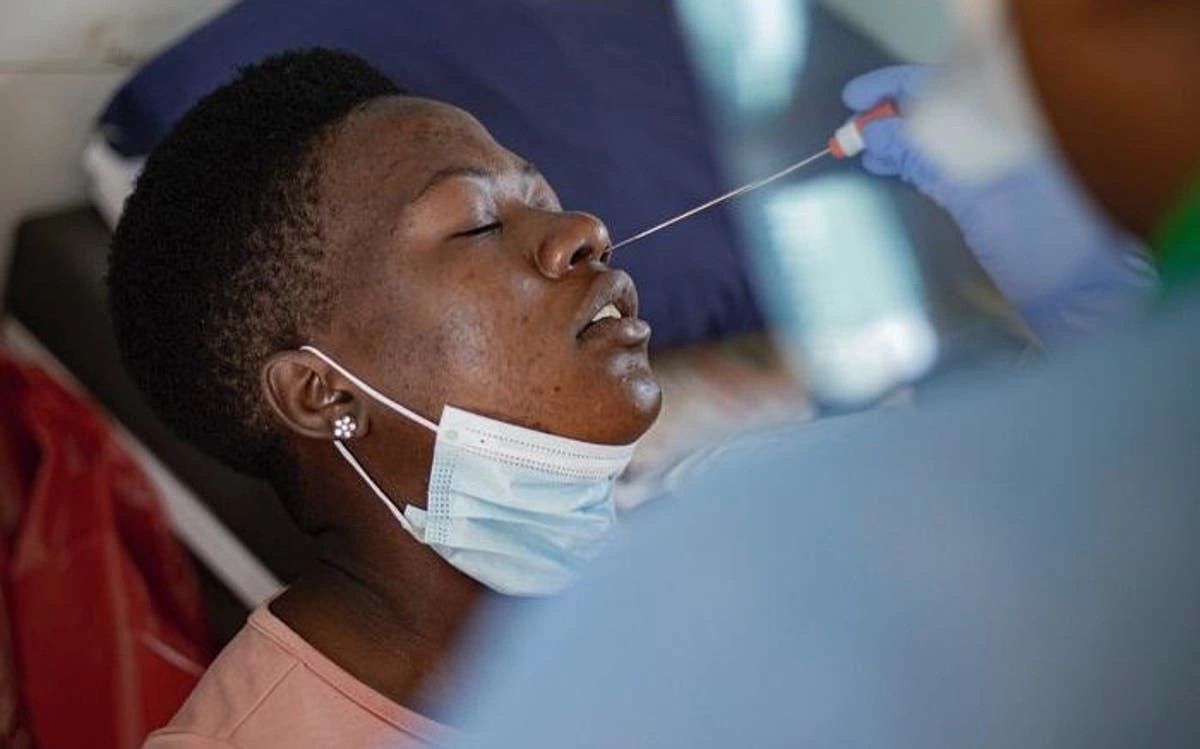
The COVID-19 pandemic has taken the world by storm. The response to the pandemic in the Western world has been slow, turgid and complicated by debates and conflict related to science, public health concerns and personal freedoms. In Africa, the response to the pandemic has been exactly the opposite. With a population of more than 1 billion, the continent currently has 3,395,458 cases. Africa has recorded only 85,320 deaths from COVID-19. The pandemic has affected 47 countries. Cases numbers and mortality rates are low when compared death rates elsewhere in the world. The death toll is 580,000 in the United States, 230,000 in Europe and 205,000 in Asia.
In February 2020, Egypt became the first African country to record a case of COVID-19. At the outset of the pandemic, most African countries instituted public health measures. These measures included avoiding handshakes, frequent handwashing, social distancing, and mask wearing. In more than 18 countries, 85% of the population responded favorably to wearing masks on a consistent basis. These measures allowed many African countries to contain the virus between March and May 2020. Despite the containment of the virus, Africa did not escape economic loss. It appears, however, that these losses and the need to restart the affected economies does not outweigh public health concerns. Many Africans are still cautious and anxious about the reopening of the economy. Despite anxiety about the reopening of the economy, Africa does not have the challenges related to the negative impacts on population and spread of the virus found elsewhere in the world.
The composition of the African population has a marked impact on the scale of the pandemic. African populations tend to be younger. The median age is 19 years old. In Western populations individuals in older age groups died at staggering rates. In Africa, younger age groups make up the largest proportion of cases (below 60 years old) and more than 80% are asymptomatic. In the West, most elderly deaths occurred in nursing homes. These types of homes are almost nonexistent in Africa. Elderly people tend to return to rural areas after retirement from jobs in urban areas. Rural populations tend to be more spread out with lower density. Moreover, many African countries lack sophisticated transport systems. This, too, is a blessing in disguise because it means less ability for the virus to spread due to a lack of travel and contact.
Climate was initially viewed as playing a significant role in the low COVID-19 rate on the continent. Researchers initially believed the virus was less likely to spread in areas with higher temperatures and humidity. This thesis, which seemed salient at the onset of the pandemic, has since lost credibility. Observers point to the fact that the virus can spread and mutate in warmer climates. Experts have suggested that limited connectivity and the rural nature of the continent are greater determinants of whether the disease will spread and mutate than climate.
Another important mitigating factor in the spread of COVID-19 is the strong community health infrastructure in Africa. African states have gained knowledge on how to address pandemics. Much of this knowledge is drawn from the Ebola outbreaks between 2013-and 2016 The methods used to contain Ebola were easily transferable to COVID-19 including isolation of the infected, contact tracing and quarantine. In Nigeria, community health programs dedicated to the eradication of polio were quickly shifted to address COVID-19.
The COVID-19 outlook in Africa is not all rosy. The situation in South Africa is challenging with infection rates increasing daily. Scientists and public health officials alike have been concerned with the possible undercounting of COVID-19 cases and mutations. Africa, however, is not the site of doom and gloom that it is often portrayed to be in the mainstream media. Rather in the absence of a strong hospital network, Africa has a number of favorable elements in its toolkit. First, response advantages related to early intervention and consistent use of mitigation strategies. Second, demographic advantages related to population age and density. Third, previous experience with pandemics such as Ebola coupled with a strong community health infrastructure. All of these advantages have placed Africa in a strong position to effectively cope with the COVID-19 pandemic.
Ask the Historian
Have a question about this story, or an idea for a future post? Send it here.