
.jpeg)
.jpeg)
Travis Armstrong, Ed.D
Dr. Travis Armstrong is the community outreach coordinator of the Foot Soldier’s Journey organization led by his cousin, Thomas Armstrong, who is an original Mississippi Freedom Rider of 1961. The organization’s purpose is to provide civic education and engagement to educate organizations about the lessons of the civil rights movement era and to inform on the contemporary civil rights issues of today. Dr. Armstrong also serves on several committees including the Mississippi Department of Archives and History and the Prentiss (MS) Normal and Industrial Institute Partnership Team. Armstrong retired from the United States Air Force in 2014 after 23 years of active duty service and served in Operations Southern Watch, Enduring Freedom, Iraqi Freedom and in Europe, Asia, and the continental United States. He specialized in combat troop deployment services and designed, produced, and implemented instructional development programs for the Air Force Human Resources career field, serving over 44,000 personnel.
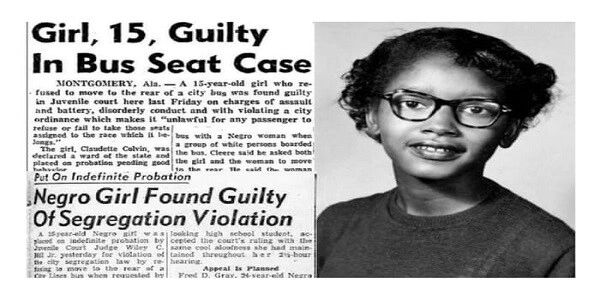
Montgomery, Alabama is central to the nation's Civil Rights history. Snuggled along the Alabama River, the city has been at the nexus of historical events in African American history. It served as the main harbor for the human trafficking of enslaved Africans, and as the provisional seat for the Confederate States of America in early 1861. Montgomery is also home to Dexter Avenue Baptist Church, pastored by theological giants Vernon Johns and Dr. Martin Luther King Jr. The city became ground zero for the modern Civil Rights Movement.in 1955. On March 2, 1955, Claudette Colvin,15-year-old Black girl, refused to give up her seat on the bus to a white woman. Claudette was arrested and charged with three criminal counts, including assaulting an officer Colvin’s actions were the spark for the modern-day Civil Rights Movement. One of the most successful bus boycotts of the Civil Rights Movement subsequently erupted in the city. Colvin stated much later, “I made a personal statement, too, one that Parks didn’t make and probably couldn’t’t have made. Mine was the first cry for justice, and a loud one.” Yet Colvin’s s act of civil disobedience unlike Parks' ” stayed on her record for seven decades until Judge Calvin Williams, righted the wrong.
Judge Calvin Williams is an unassuming, family man, devout Christian, and a 38-year military veteran who was born and has lived in Montgomery all of his life. The youngest of eight children, Calvin’s sense of responsibility stemmed from his mother who did not graduate from high school but whose work ethnic inspired him. When he was six, his father died. Years later, he suffered the tragic loss of his only sister, Annie, who was murdered in 1996 by her ex-husband in a domestic violence incident. The family felt the police and city failed to prevent this tragedy, so they sued the city of Montgomery. Although the suit was unsuccessful, it led to more proactive domestic abuse policies. While working in private practice, Calvin was hired as a part-time city prosecutor by the mayor. He prosecuted domestic violence cases and served as Deputy District Attorney for six years. His experience gave him an understanding of domestic violence. Calvin was elected to the judicial bench as a Circuit Court Judge in Montgomery County Family Court in 2011
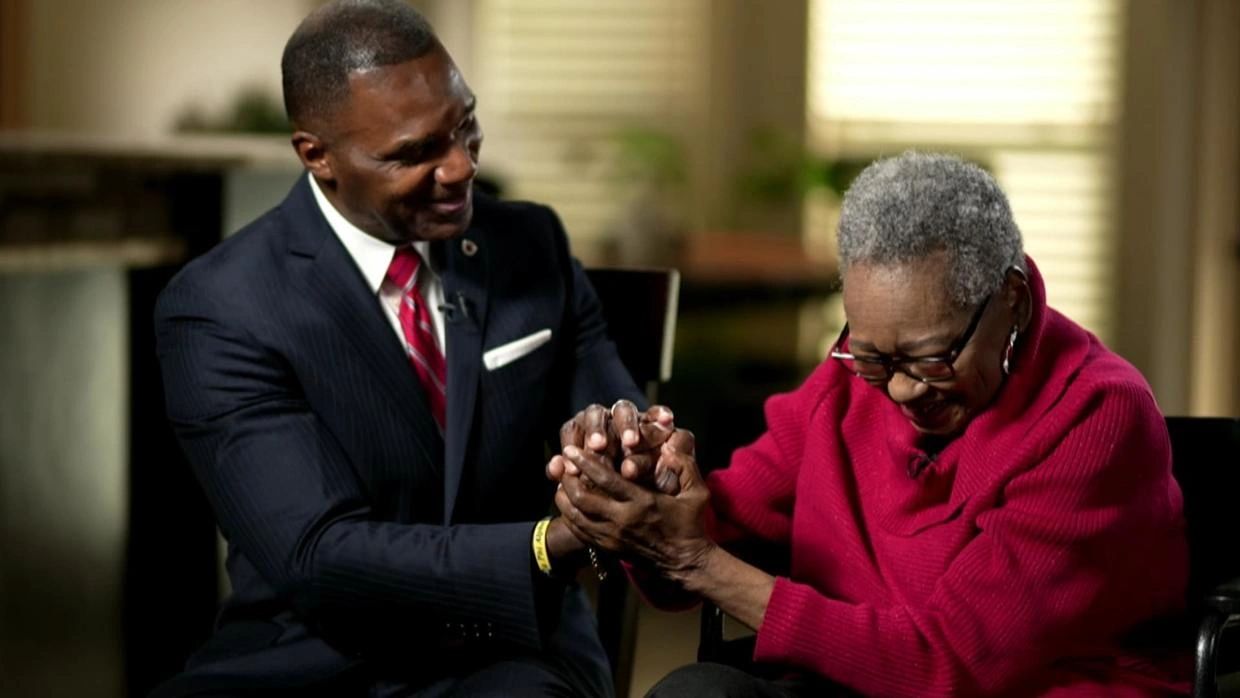
Like many in Montgomery, Calvin was aware of Colvin’s historic act . But nearly seven decades passed before Colvin's and Williams' paths crossed. Judge Williams became aware of Colvin’s motion to file an expungement of her criminal record because of the media attention. Within a week, Mrs. Colvin’s attorney informed him he was the presiding judge for the case. Judge Williams immediately granted the expungement request stating , “It was not a tough decision to make because it was a matter of right that was due to be granted to her.” The pair were featured on CBS Morning News in December 2021. Her emotions were on display as she bashfully quipped “Im so glad I’m sitting next to the judge, and he’s colored!" This experience forever forged their place in history. Judge Williams is serving his third term on the judicial bench and contemplating running for a fourth term. Williams is prayerful about the future and will feels he will be in a role that’s “relevant and beneficial to the community."
Ask the Historian
Have a question about this story, or an idea for a future post? Send it here.