

This is Part 1 of a four-part HistorianSpeaks series for UK Black History Month 2026: (1) Before Windrush, (2) Windrush, (3) Brixton, Peckham, and Scarman, and (4) Black Britain today.
Britain's Black History Month began in London in 1987, through Ghanaian-born organizer Akyaaba Addai-Sebo and campaigners including Ansel Wong. The aim was not to add famous names to a calendar but to confront the exclusion of African and Caribbean history from public life—and to help Black children see themselves as people with a history worth knowing; Addai-Sebo recalled a colleague's distress after her young son asked why he could not be white. While the United States marks Black History Month in February, Britain marks it in October; the 2026 theme, "Honouring Our Communities," honors the teachers, caregivers, shopkeepers, artists, organizers, and families who sustain Black life. Black Britain was not created when a ship arrived in 1948.
Rome's African Britain
Africans were in Britain before there was an England. In the third century, the numerus Maurorum Aurelianorum—the "Aurelian Moors," soldiers raised in North Africa—was stationed at Aballava, a fort on Hadrian's Wall near today's Burgh-by-Sands in Cumbria. The emperor Septimius Severus, born in Leptis Magna in present-day Libya, campaigned in Britain and died at York in 211. Archaeology adds individual lives: the "Ivory Bangle Lady," a wealthy woman buried in York in the late fourth century with jet and ivory jewelry, showed signs of North African ancestry. Rome did not think about race in modern terms, but these lives show Britain connected to Africa through empire, trade, and military service from the earliest written record.
Black Tudors
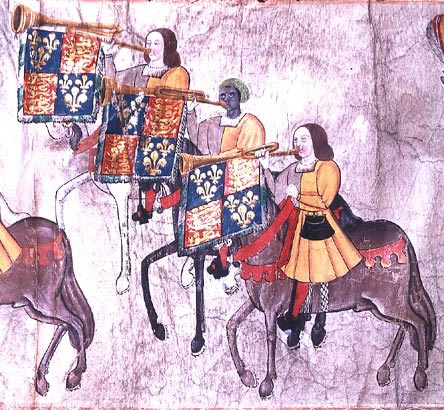
At the Tudor court, John Blanke worked as a trumpeter for Henry VII and Henry VIII; the 1511 Westminster Tournament Roll and surviving pay records document him in English public life. Miranda Kaufmann's Black Tudors (2017) documents Africans living in England as free people—sailors, servants, a silk weaver, and a diver. Jacques Francis, born in West Africa, led salvage dives on the wreck of Henry VIII's warship Mary Rose in the 1540s and testified in the High Court of Admiralty in 1548 when his right to give evidence was challenged. In 1596, Elizabeth I's government issued letters seeking to remove "blackamoores" from the realm; the scheme failed, and Black people remained in English parishes, households, and ports.
Georgian London: slavery and the fight against it
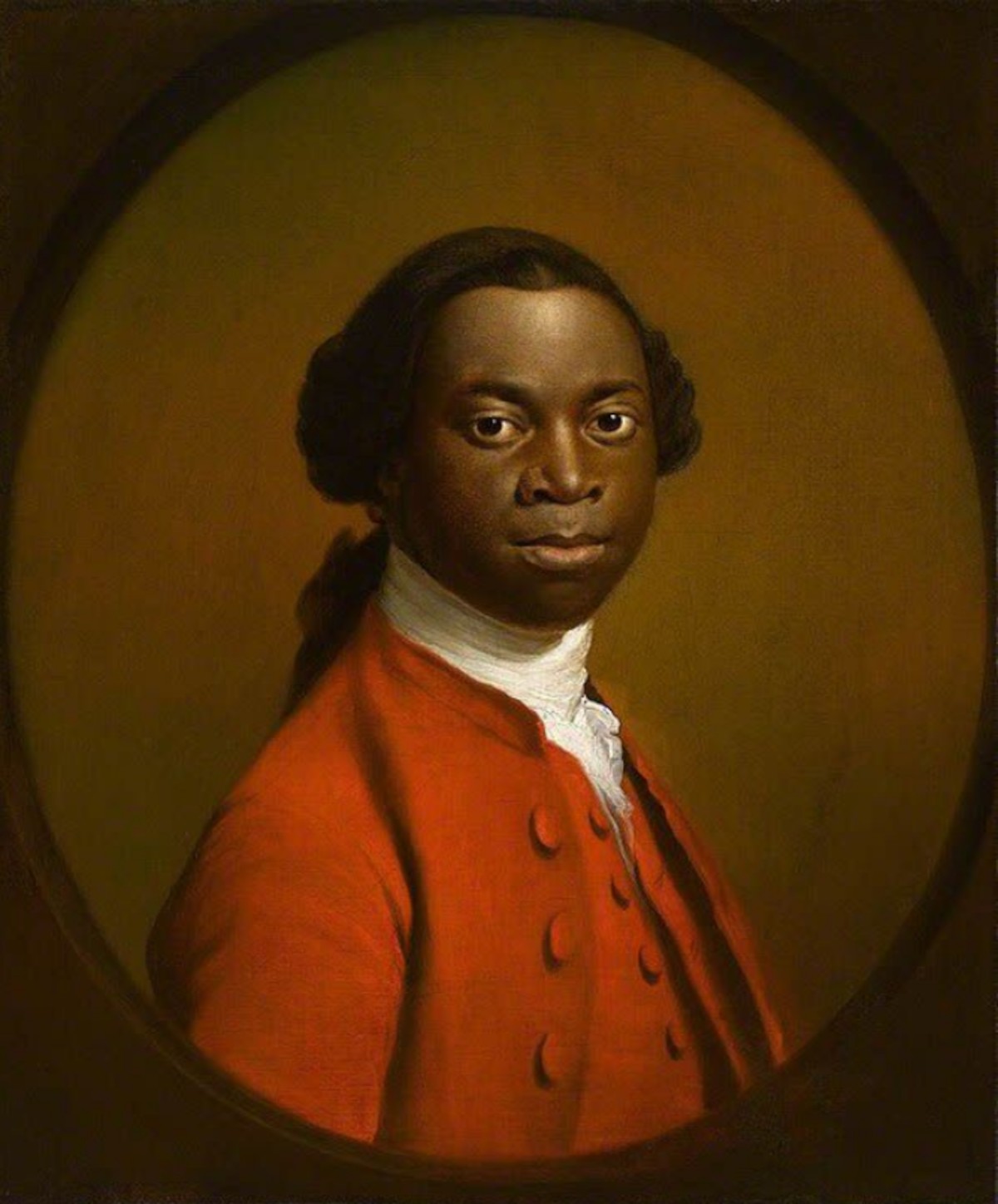
By the eighteenth century, Britain dominated the Atlantic slave trade, and Caribbean plantation wealth flowed into London, Bristol, and Liverpool. Enslaved and free Africans came with it; London's Black population numbered in the thousands, and Black Londoners wrote, traded, made music, and debated freedom. Ignatius Sancho was a shopkeeper, composer, and correspondent. Olaudah Equiano's 1789 autobiography became an important intervention in the abolition movement. Francis Barber, born into slavery in Jamaica, became Samuel Johnson's servant and companion and inherited the bulk of Johnson's estate in 1784. Ottobah Cugoano, kidnapped from the Gold Coast, published Thoughts and Sentiments on the Evil and Wicked Traffic of the Slavery and Commerce of the Human Species (1787), among the earliest direct calls by an African writer in English to end slavery; with Equiano he joined the Sons of Africa, Black Londoners who wrote to newspapers and politicians demanding abolition.
In Somerset v. Stewart (1772), Lord Mansfield ruled that James Somerset, an enslaved man brought to England, could not be forcibly removed to be sold in Jamaica. The case did not formally abolish slavery in England, but many Black Britons read it as a victory, and it encouraged others to leave their enslavers. Parliament abolished the British slave trade in 1807 and slavery in most of the empire in 1833—though, as Part 4 shows, it compensated slave owners rather than the enslaved.
Abolition's unfinished work
Freedom in the courts did not mean security in the streets. By the 1780s, hundreds of Black Londoners—many of them people who had escaped slavery or had sided with Britain in the American Revolution—lived in deep poverty. A charitable Committee for the Relief of the Black Poor, backed by abolitionists, organized a resettlement scheme, and in 1787 more than four hundred settlers sailed to found a colony in Sierra Leone. The expedition suffered disease, death, and conflict, but Sierra Leone became a British colony and, from 1808, the base where the Royal Navy landed tens of thousands of Africans liberated from captured slave ships. The episode revealed both the limits of abolitionist goodwill and the pull of Africa in Black British imaginations.
Victorian lives
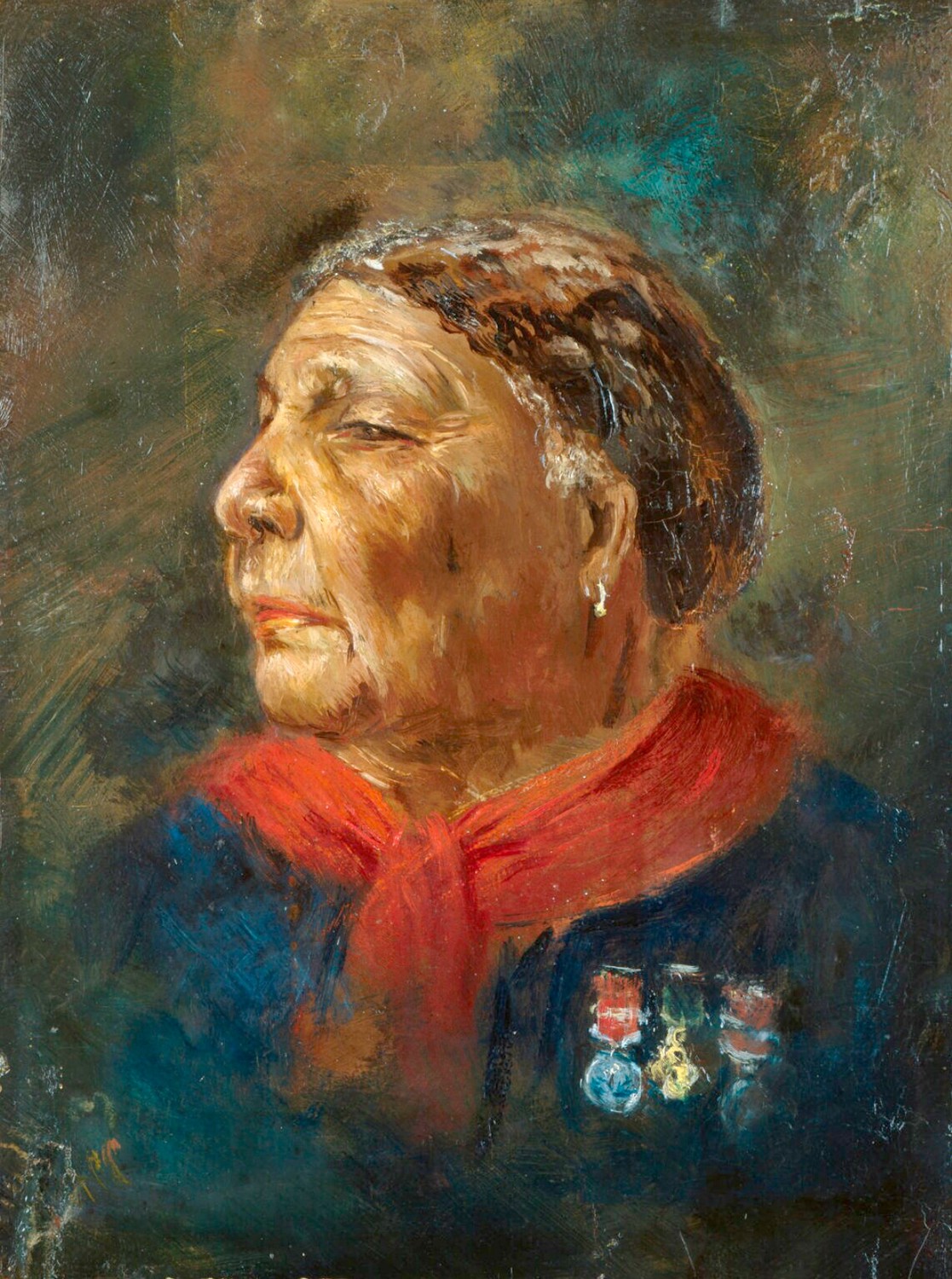
Nineteenth-century Black Britons worked in every corner of national life. American-born actor Ira Aldridge played Othello at London's Theatre Royal, Covent Garden, in 1833 and became one of Europe's most celebrated performers. Pablo Fanque ran one of Victorian Britain's most popular circuses. William Cuffay, son of a formerly enslaved man from St. Kitts, led the Chartist movement for working-class voting rights and was transported to Tasmania in 1849. Jamaican nurse and businesswoman Mary Seacole cared for soldiers in the Crimean War and became famous in Britain in the 1850s. In 1900, Trinidadian lawyer Henry Sylvester Williams organized the first Pan-African Conference in London.
Ports, war, and the color bar
Older Black communities clustered around maritime work. Sailors from Africa and the Caribbean settled in Liverpool, London, and Cardiff, where Butetown—Tiger Bay—became a place of interracial households and international working-class connections. War brought more Black people into British service—and exposed the limits of their welcome. In the First World War, thousands of Caribbean men volunteered for the British West Indies Regiment, often confined to labor duties; in 1918, men of the regiment mutinied at Taranto, Italy, over unequal pay and treatment. Walter Tull, a professional footballer of Barbadian descent, became one of the British Army's first Black infantry officers before he was killed in France in 1918. In 1919, racist violence struck port cities including Cardiff and Liverpool, and official responses included efforts to repatriate Black residents. The pattern—labor welcomed when needed, belonging questioned afterward—would recur.
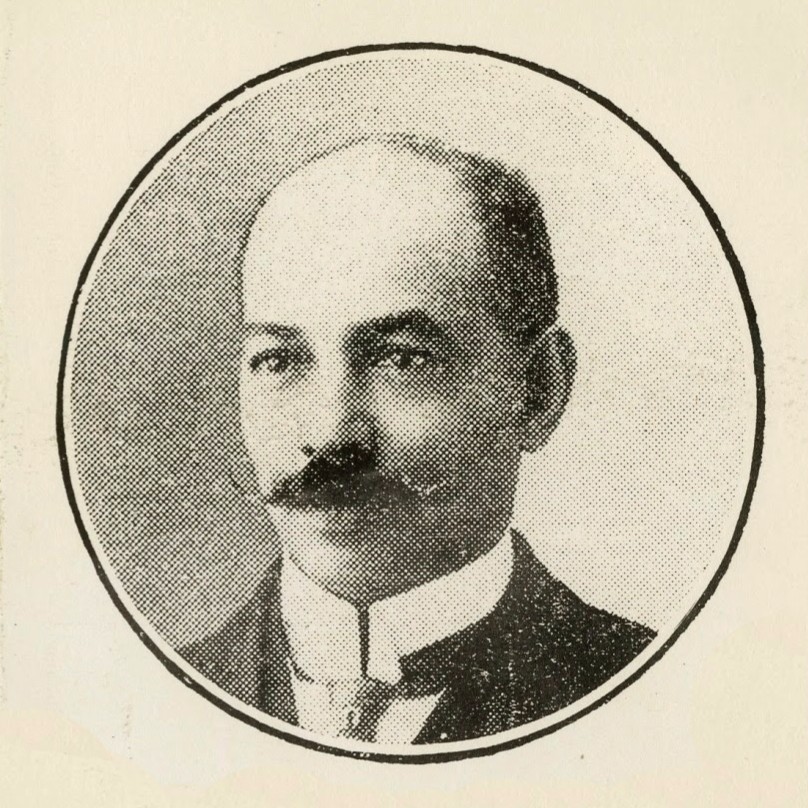
Black Britons organized in response. In 1913, John Archer, born in Liverpool to a Barbadian father and an Irish mother, was elected mayor of Battersea—the first Black mayor of a London borough—and told voters his election marked “a new era” in which people would be judged by character rather than color. In 1931, Jamaican-born physician Harold Moody founded the League of Coloured Peoples in London to fight the color bar in employment, housing, and public life. During the Second World War, thousands of Caribbean volunteers served in the Royal Air Force, and Trinidadian cricketer Learie Constantine worked as a welfare officer for West Indian workers in Liverpool; when a London hotel refused his booking in 1943 because of his race, he sued and won in 1944, drawing national attention to discrimination. Jamaican writer and broadcaster Una Marson worked at the BBC and helped develop Caribbean Voices, giving Caribbean literature a platform. In 1945, Manchester hosted the Fifth Pan-African Congress, a gathering central to anticolonial organizing. Britain was both an imperial center and a meeting place for people determined to dismantle imperial rule.
A history that came before 1948
When Empire Windrush docked in 1948, its passengers joined a Black presence stretching back more than seventeen centuries—through Roman soldiers, Tudor musicians, Georgian abolitionists, Victorian performers, sailors, soldiers, and organizers. That history explains why the passengers' claim to belong was not new. Part 2 turns to the ship itself: why postwar Britain needed Caribbean workers, what it promised them, and what they endured.
This series continues. Part 2, "Windrush: Rebuilding Britain and the Broken Promise," publishes today. Part 4, "Still Rising: Black Britain's Global Resilience," is the featured preview of the first issue of Black Thread. It opens Friday, October 16. Become a founding member for $9.99 a month — that price holds for life — or subscribe free to our newsletter.
Ask the Historian
Have a question about this story, or an idea for a future post? Send it here.