
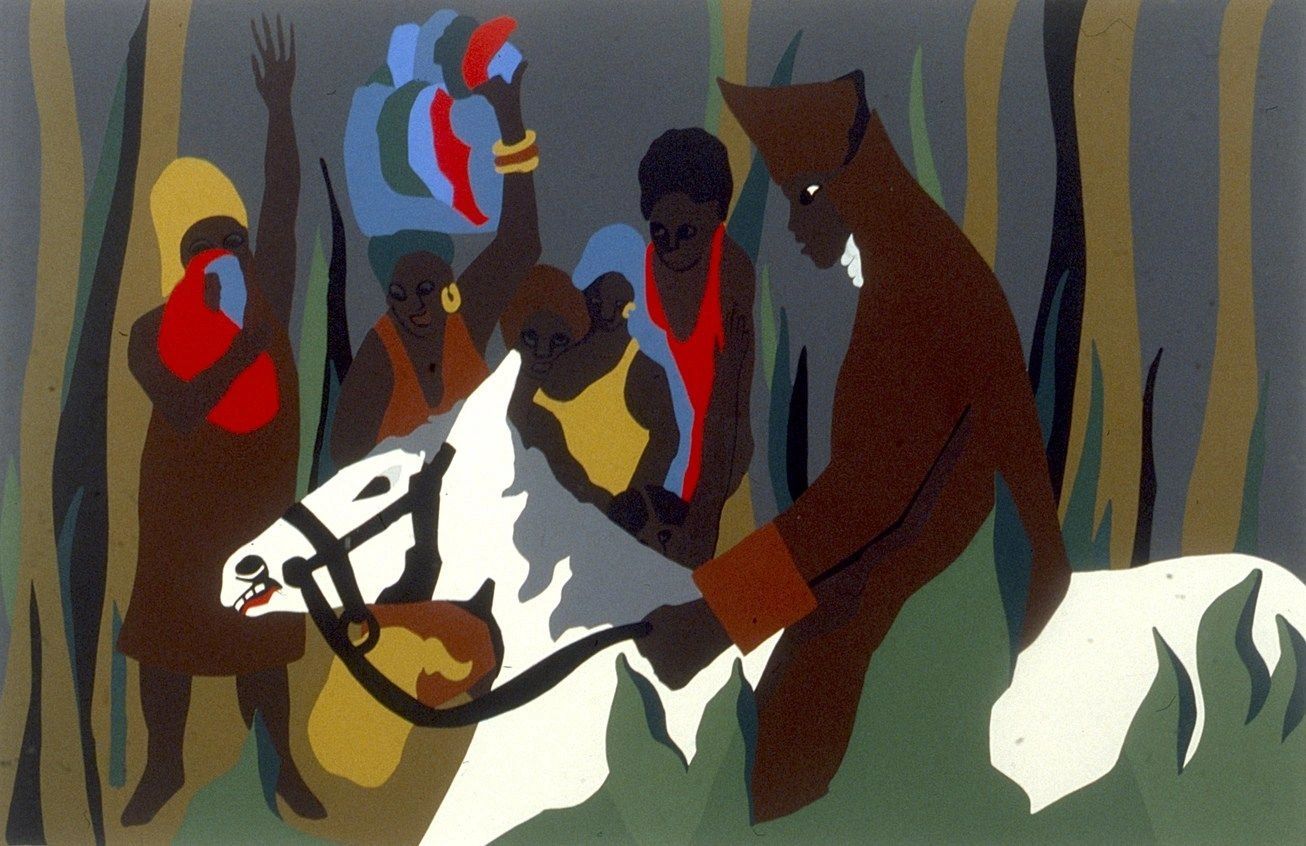
The current situation in Haiti; governmental collapse, food shortages, gang violence and general dysfunction is product of a set of events and occurrences that can be traced back to the origins of the country in 1804. Below readers will find an ovewrview of Haitian history up through the presidency of Jean Betrand Aristide.
Haiti bears the distinction of being the first black republic in the Western hemisphere following the defeat of British, French and Spanish armies during the Haitian Revolution (1791-1804).


- The Duvalier dictatorship dominated Haiti for much of the second half of
the twentieth century.
- Francois Duvalier (1907-1971), a physician and pubic health expert, whose early forays in this field were instrumental in combating contagious
diseases on the island such as typhus, yaws and malaria.
- Assumed the presidency in 1957.
- Consolidated political power through intimidation and fear.
- Duvailier skillfully manipulated Haitian color dynamics (mulatto elites v.
black masses) by promoting blacks within the army structure.
- An unsuccessful coup by the army in 1958, led him to reorganize the
structure of the presidential guard.

- He created a rural militia , commonly referred to as the Tonton Macoutes,
a creole term for bogeyman;.
- Of darker hue himself, Duvalier appealed to the black masses for support
through the use of vodou and he claimed to be a vodou priest.
- Affectionately known as & Papa Doc
During his reign, it is believed that more than 30,000 persons were
murdered, mostly political enemies and members of the mulatto elite.
- Many educated Haitians fled the country. This situation contributed to a
brain drain, the effects of which are still felt today.
He pursued an aggressive anti-Communist posture and regularly
persecuted, prosecuted and executed them as enemies of the state.
- His regime was widely viewed as one of the most repressive in the Western hemisphere.
After his death in 1971, he was succeeded by his nineteen year old son, Jean
Francois Duvalier (1951- 2014)

- Born in Port-au-Prince (Haiti's capital) and studied law at the University of Haiti.
- Initially, disinterested in the presidency.
- Allowed his mother, Simone Ovide, to handle the substantive issues in the regime.
- Ruled as an absolute dictator. Given unconditional power by the constitution.
- Using the country's treasury as a slush fund for family and personal ventures.
- Marriage to Michele Bennett Pasquet, a member of an old military family that at one point tried to overthrow his father. The wedding was widely condemned
- Because of the exorbitant price tag ($3 million).
- The Bennetts were reviled by the masses and increasingly disliked by elites and
small businessmen for their selling of Haitian cadavers to medical schools and
involvement in the drug trade.
- In 1978, an African swine flu outbreak led to the total eradication of the country's
pig population.
- The outbreak and the government response to it, caused widespread economic
devastation to the masses who relied on pig breeding for their livelihood.
- This problem was compounded by the intensification of the AIDS crisis in the
early 1980' s.
- Growing dissatisfaction with the graft and corruption in the government and
material conditions on the ground led to peasant revolts in major cities: Les
Cayes, Gonaives and Cap Haitien.
Duvalier was pressured by the Reagan administration to renounce power and
leave the country.
- Duvalier departed Haiti on February 7, 1986 and went into exile in France.
1991 (age 50) - Nelson Mandela assumes leadership of the ANC.

Jean Bertrand Aristide is elected President of Haiti in 1990.
He is the first democratically elected leader of Haiti in the twentieth century.
A Salesian parish priest of humble origins and a member of the country working class black
masses, his election posed a powerful challenge to the islands mulatto elite.
His election signaled a sea change in the perception of American interests in the
region, especially in light of the collapse of the Duvalier dictatorship just four
years earlier.
Ask the Historian
Have a question about this story, or an idea for a future post? Send it here.