On 28 June 1969, the Stonewall rebellion began in the early hours. The New York Police Department, as part of its policy of closing gay bars, raided the Stonewall Inn, which had a substantial poor and working class LGBT+ clientele.
However, for the first time in the city, rather than submitting to arrest, a crowd began to gather around the police. Inside the bar, gender nonconforming people, trans women and lesbians began resisting invasive body searches. And outside a butch lesbian fought back against police when they arrested her, calling on the crowd that had formed to “do something.”
According to some eyewitnesses and her own account, this individual was Stormé DeLarverie, a biracial lesbian and drag performer, who was known as a “guardian of lesbians” in the Village, although this is disputed by others who point to the fact that the only police record for a lesbian arrested that night was of a Marilyn Fowler.
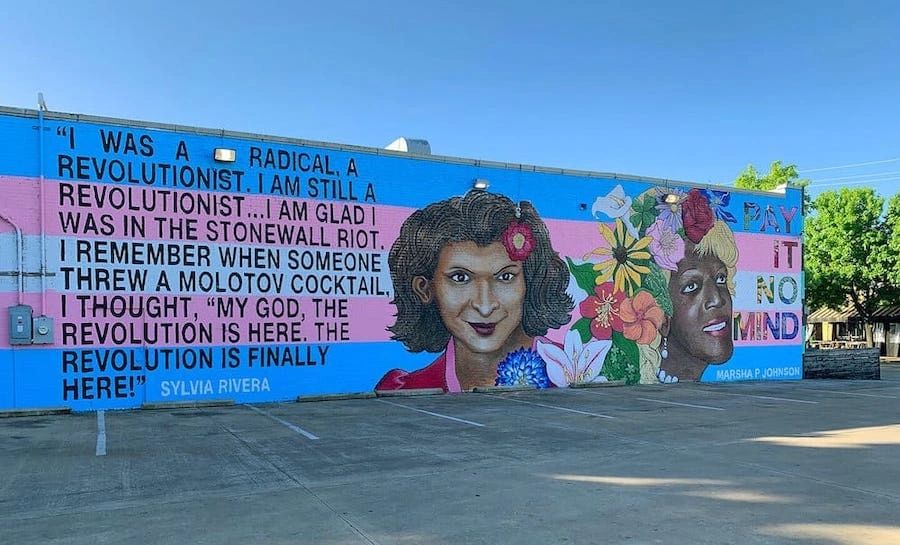
The crowd, which included a significant number of Black, Latine, and white LGBT+ patrons and passersby, then began to physically fight the police, triggering riots that lasted for six days. Those involved in the disturbances included activists like Marsha P. Johnson and John O’Brien, popular folk musician Dave Van Ronk, artist Martin Boyce, and many others.
In the aftermath, participants and other LGBT+ radicals set up the Gay Liberation Front, which revolutionised the gay rights movement. They organised anniversary protests on June 28 the following year in New York, Los Angeles, San Francisco, and elsewhere. This became the annual Pride celebration that continues to this day all over the world.
Stonewall rebellion - WCH | Stories
#StonewallRiot #SylviaRivera #MarshaJohnson
Ask the Historian
Have a question about this story, or an idea for a future post? Send it here.