
Editor's note: In keeping with our extensive coverage of COVID-19, we are continuing our vigilance related to public health issues. Monkeypox is causing serious concerns across the world. It is impacting the LGBTQIA+ community. We will continue to highlight the important developments regarding this virus and its impact on public health.
The declaration by the World Heath Organization that Monkeypox is a public health emergency is very concerning. This is particularly worrisome for the general population and especially for the LGBTQIA+ communities. Coming hard on the heels of the COVID-19 pandemic, the struggle to disseminate the vaccine and raise public awareness is foremost in the mind of public health officials. The disease is currently presenting and concentrated “among men who have sex with men.” Vaccination, early detection and treatment are necessary.

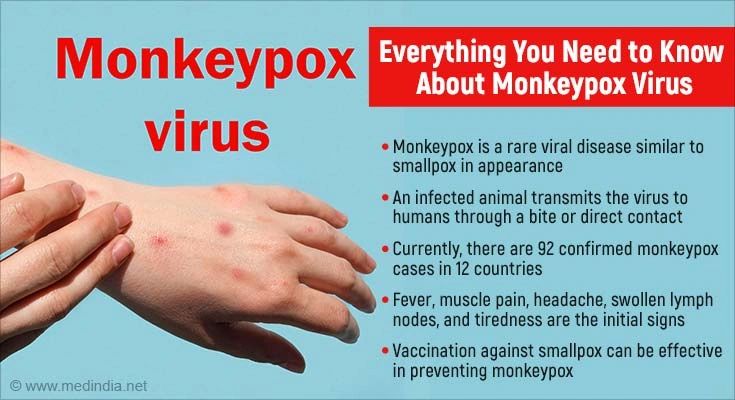
Monkeypox is a viral infection similar to smallpox. However, Monkeypox has a less serious clinical impact. The initial symptoms include the following elements: fever and headache, sore throat and cough, swollen lymph nodes in the armpits , neck and groin, back pain and muscle aches and lack of energy. Following the initial symptoms, a rash appears, often painful, and presents on the face, arms, legs. This phase lasts about 2-3 weeks and eventually the wounds scab over and resolve. After this period an individual is no longer contagious. The number of fatalities has hovered between 3% and 6%.
Monkeypox can spread in a number of ways. Spread can occur through contact with body fluids, bedding and clothing. It can also spread through any form of close contact including touching and kissing. It also spreads through respiratory droplets in a closed setting.
Globally, the case number Is 16,500 in 74 countries. In the United States, 2,800 probable or confirmed cases have been reported in 44 states.
Ask the Historian
Have a question about this story, or an idea for a future post? Send it here.