

A Forgotten Pioneer of Black Empowerment
Long before the civil rights movements of the 20th century, a bold voice emerged in antebellum America, challenging both racial and gender oppression with unwavering conviction—Maria Stewart. Often overlooked in mainstream narratives, she was the first known American woman to publicly lecture on abolition and women’s rights, making her a foundational figure in Black feminism. Born free in the North during a time when slavery still gripped much of the nation, Stewart broke barriers not through legislation, but through rhetoric, faith, and fearless public engagement.
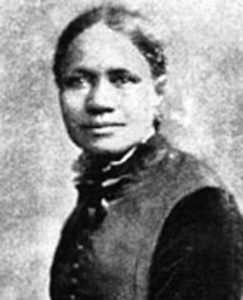
Forged in Adversity: The Formative Years of Maria Stewart
Maria Stewart’s emergence as a pioneering voice in Black feminism was deeply rooted in the trials and triumphs of her early life. Orphaned at a young age in Boston, she navigated a world shaped by racial oppression and limited opportunities for Black women. Raised in a household that valued faith and resilience, she sought knowledge wherever she could—attending segregated schools, absorbing sermons, and studying the writings of abolitionists and religious thinkers. Though formal education was often out of reach, her self-directed learning cultivated a sharp intellect and moral clarity that would define her later work.
Her early employment as a domestic servant exposed her to the intersections of race, gender, and class—experiences that fueled her critique of systemic inequality. Working in white households, she witnessed firsthand the contradictions of American ideals: freedom proclaimed in public life while denied in private practice. These formative years instilled in her a determination to challenge injustice not through silence, but through bold, unapologetic speech.
7 Ways Maria Stewart Pioneered Black Feminism Through Advocacy, Education, and Expression
Maria Stewart shattered barriers in the early 19th century as one of the first American women to publicly lecture on racial and gender justice, laying foundational stones for Black feminism as we understand it today. Her fearless voice emerged at a time when women—especially Black women—were expected to remain silent, yet she claimed space in pulpits, print, and public squares. For educators, community historians, and cultural content creators in Columbus, Ohio and across the nation, Stewart’s model offers actionable insight into how marginalized voices can drive transformative change. Here’s how her legacy can inform modern equity work.
- Championed Intersectional Advocacy Before the Term Existed
- Stewart uniquely addressed the dual oppressions of racism and sexism, calling out the exclusion of Black women from both abolitionist and women’s rights movements. Today, this approach aligns with intersectional frameworks used in social justice education—reminding us to design programs that acknowledge overlapping identities and systemic barriers.
- Used Writing as a Tool for Empowerment
- Her published lectures and essays, such as “Religion and the Pure Principles of Morality,” provided a blueprint for using accessible literature to inspire collective action. Content creators can follow her lead by producing clear, values-driven materials that speak directly to community concerns.
- Broke Gender Norms in Public Speaking
- At a time when women rarely spoke before mixed-gender audiences, Stewart took the stage with moral authority. Her courage underscores the importance of creating platforms for underrepresented voices in schools, museums, and public forums today.
- Centered Education as Liberation
- As an educator at the Osgood School for African American children in Boston, she emphasized intellectual development as resistance. Modern educators can honor this by embedding Black historical agency into curricula and prioritizing culturally responsive teaching.
- Leveraged Faith-Based Rhetoric for Social Change
- Stewart grounded her activism in spiritual language, making her message resonate within religious communities. Faith leaders and organizers can emulate this by connecting moral teachings to modern justice initiatives.
- Modeled Self-Publishing and Intellectual Independence
- She circulated her ideas through Black-owned newspapers and independent tracts, maintaining control over her narrative. Today’s advocates can build digital platforms—like blogs or podcasts—to share knowledge without gatekeeping.
- Inspired Future Generations of Black Women Leaders
- From Sojourner Truth to Ida B. Wells, Stewart’s pioneering voice echoed through centuries of activism. Community programs can highlight her legacy in mentorship initiatives that connect historical figures to youth leadership development.
By integrating Stewart’s strategies into contemporary practice, today’s changemakers can advance equity with depth, authenticity, and historical continuity.
Frequently Asked Questions About Maria Stewart: Voice of Black Feminism
Who was Maria Stewart and why is she significant in Black feminist history? Maria Stewart was a pioneering 19th-century abolitionist, educator, and public speaker recognized as one of the first American women to publicly lecture on social justice issues. As a Black woman advocating for racial and gender equality in the 1830s, she broke societal barriers by addressing mixed-race and mixed-gender audiences—rare for the time. Her speeches and writings challenged both racial oppression and the limited roles assigned to women, laying foundational ideas for Black feminism.
What were the key themes in Maria Stewart’s activism? Stewart centered her work on the interconnectedness of racial uplift, education, and spiritual empowerment. She urged Black communities to pursue knowledge, economic self-sufficiency, and moral development as tools of resistance. She also critiqued the church’s complicity in oppression, calling for faith-based activism. Her emphasis on Black women’s intellectual and moral leadership made her a trailblazer in early Black feminist thought.
How did Maria Stewart use writing and oratory to advance her message? Stewart leveraged print culture and public speaking to reach broad audiences. Her essays, including Religion and the Pure Principles of Morality, were published in abolitionist newspapers like The Liberator. She delivered powerful speeches across northern cities, framing activism as a divine calling. For modern educators in Columbus, Ohio and beyond, her work offers a model for using accessible, emotionally resonant language to teach historical resistance.
What challenges did she face as a Black woman activist? Despite her eloquence, Stewart faced backlash for defying gender norms and speaking publicly. Many criticized her for stepping outside the “domestic sphere,” and she eventually stepped back from lecturing due to societal pressure. Her experience underscores the intersectional struggles Black women leaders have historically faced—balancing race, gender, and respectability in activism.
How can her legacy be used in today’s educational programming? Incorporate her speeches into curricula on civil rights, gender studies, or literature. Use geotagged content like “Black women educators in Ohio history” to improve local SEO and connect her legacy to regional narratives. Design discussion guides that help students analyze how her ideas on dignity, education, and justice remain relevant.
A Legacy That Echoes Through Time
Maria Stewart’s fearless advocacy in the early 19th century laid foundational stones for Black feminism and social justice leadership. As one of the first American women to publicly lecture on abolition and racial uplift, she challenged societal norms with intellectual rigor and moral clarity. Her writings and speeches not only condemned slavery but also demanded educational equity and economic opportunities for African Americans—especially Black women, whose voices were often marginalized even within reform movements.
e.
Ask the Historian
Have a question about this story, or an idea for a future post? Send it here.