

A Trailblazer in Print, Politics, and Pan-African Vision
In the early 19th century, a pioneering figure emerged who would reshape the landscape of Black leadership across continents—James Russwurm. Long before the Civil Rights era, Russwurm’s life exemplified the power of strategic advocacy through journalism, political engagement, and transnational activism. As one of the first African Americans to earn a college degree and co-founder of Freedom’s Journal—the first Black-owned newspaper in the U.S.—he leveraged media as a tool for community empowerment, challenging racist narratives and amplifying Black voices during a time of widespread disenfranchisement. His later role as a governor in the developing colony of Liberia highlights a complex but critical vision: that African Americans could forge autonomous futures beyond systemic oppression in the United States.
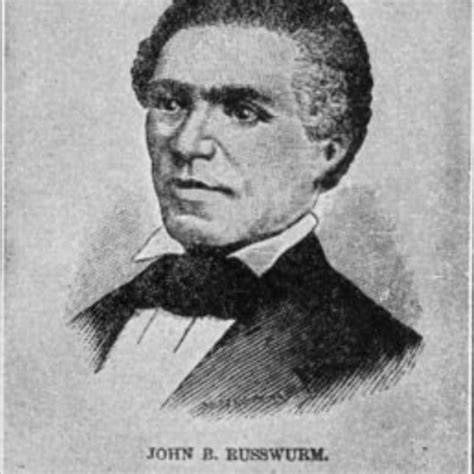
Forging the Foundation: The Early Life and Intellectual Awakening of James Russwurm
James Russwurm’s journey from Caribbean roots to becoming a trailblazing figure in Black journalism and leadership was shaped by early experiences that forged an unwavering commitment to racial uplift and empowerment. Born in Jamaica and later raised in Quebec, Russwurm’s exposure to diverse cultural and racial landscapes during his formative years cultivated a deep awareness of the disparities facing Black communities in the 19th century. His pursuit of education—culminating in a degree from Bowdoin College, where he became one of the first African American graduates—was not merely academic, but a strategic act of resistance in a society that systematically excluded Black voices from intellectual spaces.
The Birth of a Voice: Founding Freedom's Journal
In 1827, a revolutionary step toward Black self-representation took place with the founding of Freedom’s Journal—the first Black-owned and operated newspaper in the United States. Under the visionary leadership of James Russwurm, alongside co-founder Samuel Cornish, this publication became a cornerstone of early African American media, offering a powerful platform for advocacy, education, and community dialogue. At a time when mainstream press often marginalized or vilified Black voices, Freedom’s Journal boldly reclaimed the narrative, emphasizing truth, dignity, and intellectual independence.
Leadership in Liberia: Russwurm’s Political Legacy and Shifting Ideals
John Brown Russwurm’s journey from abolitionist advocate to colonial leader in Liberia offers a compelling study in evolving ideologies and practical governance. After emigrating in 1829, Russwurm quickly transitioned from skeptic to key architect of the colony’s administrative framework, serving as governor of Cape Palmas for over a decade. His tenure was marked by efforts to balance American colonization objectives with the realities of West African political dynamics, a challenge that reshaped his early reservations about the colonization movement.
Key insights from his leadership include:
- Pragmatic governance over ideology—Russwurm prioritized infrastructure, education, and local trade over rigid colonial mandates
- Cultural integration—he encouraged settlers to adopt local customs and languages, fostering more sustainable community relations
- Advocacy through institution-building—founding schools and newspapers to promote literacy and civic engagement among freed Black settlers
Frequently Asked Questions About James Russwurm: Pioneer of Black Leadership
Who was James Russwurm and why is he important in 19th-century Black history? James Russwurm stands as a seminal figure in early African American leadership, best known for his role as one of the first Black newspaper publishers in the United States. Co-founder of Freedom’s Journal in 1827, he used the press as a tool for racial uplift, challenging racist narratives and advocating for civil rights, education, and self-determination within Black communities. His work laid the foundation for Black media as a platform for advocacy and empowerment.
What were Russwurm’s major contributions to Black leadership and activism? Beyond publishing, Russwurm championed the cause of African colonization, later serving as governor of the Maryland colony in Liberia. While controversial, his leadership reflected a complex vision for Black autonomy. Domestically, Freedom’s Journal broke ground by offering a counter-narrative to white-controlled media, providing news, essays, and debates that centered Black voices—a model later adopted by civil rights publications nationwide.
How did Russwurm influence the development of Black-owned media? Russwurm proved that independent Black media could shape public discourse. By asserting editorial control, he empowered communities to define their own identities. Modern content creators and educators in Columbus, Ohio and other urban centers can draw from his example by building platforms—such as podcasts, blogs, or community newsletters—that reflect the values and concerns of African American audiences.
What challenges did Russwurm face as a Black leader in the 1800s? He navigated intense opposition, including threats, financial instability, and ideological divides within the abolitionist movement. His support of colonization drew criticism from leaders who advocated for integration and rights within the U.S. His journey illustrates the difficult choices Black leaders faced when balancing immediate safety with long-term civil rights strategies.
Was Russwurm’s move to Liberia a rejection of the U.S. struggle for equality? Not necessarily. His decision reflected a pragmatic belief in self-governance amid entrenched racism. Rather than abandoning the fight, he sought to build Black institutions abroad. This nuanced stance invites modern audiences to consider multiple strategies in the pursuit of justice.
How can organizations honor Russwurm’s legacy today? Create initiatives that promote Black media ownership, support youth journalism programs, and highlight 19th-century leaders in public history projects. Using terms like “Black leadership in Ohio” or “historic African American publishers” strengthens local SEO while educating broader audiences on foundational figures who shaped the trajectory of civil rights.
Lasting Impact: How Russwurm’s Vision Still Shapes Movements Today
James Russwurm’s contributions extend far beyond his lifetime, continuing to influence African American media, political philosophy, and global Black solidarity. As a pioneering editor and co-founder of Freedom’s Journal—the first Black-owned newspaper in the U.S.—he established a critical precedent for independent media as a tool for empowerment, resistance, and community dialogue. His belief in self-representation laid the foundation for modern Black journalism, reinforcing the need for authentic narratives that counter systemic misrepresentation.
In political thought, Russwurm championed self-governance and racial pride long before these ideas gained wider traction. His later advocacy for emigration to Liberia reflected a broader Pan-African vision—one that emphasized agency, self-determination, and the interconnectedness of Black people across the diaspora. Today, this mindset resonates in movements that prioritize cultural identity and transnational solidarity.
Ask the Historian
Have a question about this story, or an idea for a future post? Send it here.