
Charlene Bartels Eshun
Charlene Bartels-Eshun is a rising third-year law student at Howard University School of Law in Washington, DC. As an international student, Charlene is interested in learning how the American legal system will be transformed by recent unprecedented events.
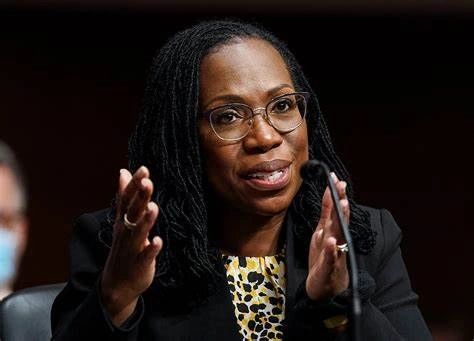
The ascendancy of the first Black woman to the United States is a landmark achievement. Associate Justice-Designate of the Supreme Court Ketanji Brown Jackson's achievements, however, are not hers alone. As she repeatedly acknowledged in her acceptance of the nomination and throughout the confirmation process, her success built on the work of countless Black jurists who paved the way for her success. Central among these forerunners was Constance Baker Motley. Baker Motley was one of the foremost Black women jurists of the first half of the twentieth century. She worked for NAACP's Legal Defense Fund for twenty years beginning in 1946 and participated in many of the groundbreaking cases involving school desegregation and civil rights during the period. She served as Thurgood Marshall's law clerk and directly assisted in legal work and argument during the Brown v. Board of Education in 1954. She was also the first Black woman to argue cases before the Supreme Court. Brown Jackson attributed her success as a jurist to the pathbreaking work of Judge Baker.
Brown Jackson also acknowledged the seminal influence of her parents, both of whom were graduates of HBCUs (Historically Black Colleges and Universities). Long derided as irrelevant or out of touch with the mainstream, HBCUs have played a seminal role in the creation of the African American middle class. it is clear that Jackson's success is closely related to the educational experiences her parents received in these institutions. These experiences enabled them to impart important lessons and guidance for her academic training and maturation. Brown Jackson acknowledged this fact when she stated that she decided to pursue a legal career after watching her father study as a law school student at the University of Florida. These experiences prepared her for undergraduate and law school at Harvard University.
Ketanji Brown Jackson's nomination and confirmation not only serves as a reminder to black people in the country that our voice matters, but as law students, it gives us renewed strength to continue pushing through our legal education. Despite being subjected to an unusual amount of scrutiny during her confirmation hearings, Judge Jackson maintained her dignity under pressure. She confirmed through her demeanor and responses, she was the most qualified individual to be nominated to sit on the court in its entire history.
Given the recent ruling on Roe v. Wade and the types of cases on the docket related to protection of rights, Americans are look to the Supreme court to provide leadership in this area. Jackson's role on the court and her significant legal experience as a practicing attorney will bring a fresh perspective and skill set to the court. But her presence will also encourage the next black supreme justice to strive and preserve just as KBJ has done. I do not doubt that she will be a catalyst of change for many black and brown girls during her tenure.
Ask the Historian
Have a question about this story, or an idea for a future post? Send it here.