Breaking the Mold: When Chicago Elected Its First Black Mayor
In 1983, a political earthquake reshaped the landscape of American urban leadership: Harold Washington’s victory as Chicago’s first Black mayor wasn’t just a local milestone—it was a national turning point in the fight for equitable representation. His win defied decades of political machine dominance, proving that grassroots mobilization, voter engagement, and cross-community coalitions could shift entrenched power structures.
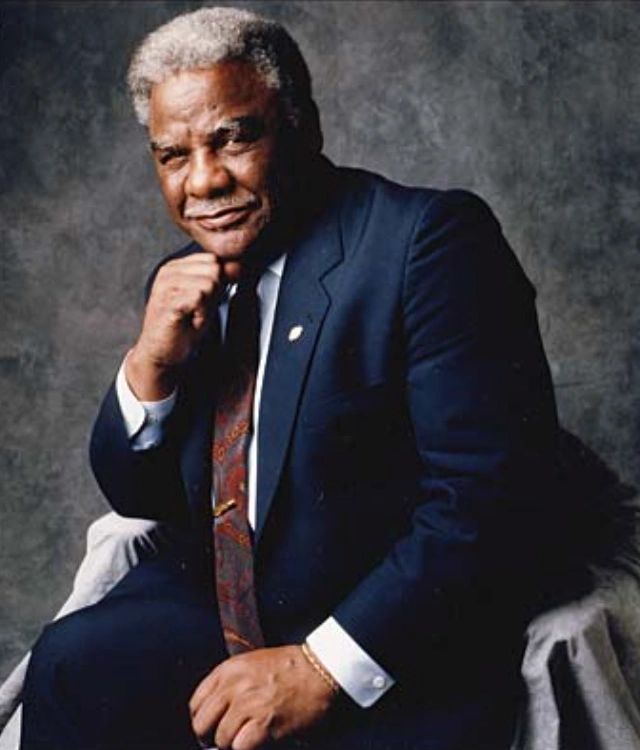
7 Transformative Achievements of Harold Washington’s Mayoralty
Harold Washington’s time as Chicago’s mayor wasn’t just historic—it reshaped urban governance in profound ways. His leadership offers enduring lessons for civic leaders, educators, and community advocates focused on equity, transparency, and inclusive policy-making.
- First African American Mayor of Chicago
- Washington’s 1983 victory shattered racial barriers in one of America’s largest cities. His win signaled a shift in political power and inspired similar movements in other major metropolitan areas, showing how grassroots organizing can overcome entrenched systems.
- Pioneered Transparent Government Reforms
- He introduced open hiring practices and ended patronage-dominated appointments, increasing public trust. This model of accountability remains a benchmark for municipalities striving to reduce corruption and build equitable institutions.
- Expanded Minority Business Development
- Washington mandated city contracts be awarded fairly to minority-owned firms, fueling economic growth in underserved neighborhoods. For local entrepreneurs today, this underscores the impact of policy-driven economic inclusion.
- Revitalized Public Services in Underserved Areas
- He prioritized sanitation, street repairs, and public safety in neglected communities, directly addressing long-standing disparities. Urban planners can learn from his data-informed resource allocation to improve quality of life.
- Championed Community Policing Initiatives
- By integrating civilians into police oversight and supporting neighborhood collaboration, he laid the groundwork for modern public safety reforms focused on trust and engagement.
- Strengthened Freedom of Information Practices
- Washington signed executive orders enhancing public access to city records, empowering journalists and watchdog groups—vital for ensuring government accountability.
- Inspired Civic Engagement Across the Midwest
- His “Quiet Revolution” galvanized voter participation, particularly among Black and Latino communities.
How Trailblazing Leadership Transforms Urban Civic Life
Harold Washington’s tenure as mayor didn’t just change Chicago—it redefined what inclusive governance looks like in America’s cities. His legacy offers powerful lessons for communities seeking to deepen civic participation and strengthen local democracy. By prioritizing transparency, empowering neighborhood voices, and challenging entrenched systems, Washington demonstrated that real change starts with representation rooted in the people it serves. For residents and activists in urban centers like Columbus, Ohio, his model remains a blueprint for building responsive, accountable institutions.
Today, cities can apply Washington’s principles by taking intentional steps to engage underrepresented populations. Start by creating accessible forums—such as community town halls and multilingual outreach campaigns—that invite dialogue from all neighborhoods.
Frequently Asked Questions About Harold Washington's Legacy and Political Career
Who was Harold Washington and why is he significant in Chicago history? Harold Washington made history as Chicago’s first African American mayor, elected in 1983 after a groundbreaking campaign that galvanized communities across the city. His victory wasn’t just symbolic—it represented a major shift in urban politics, challenging long-standing power structures and expanding civic participation in neighborhoods like Bronzeville, South Shore, and Austin.
What were Harold Washington’s major policy accomplishments? During his tenure, Washington prioritized government transparency, equitable budgeting, and community development. He championed fair hiring practices, redirected resources to underserved areas, and strengthened neighborhood-based services. His administration also pushed for more inclusive public contracting, helping minority- and women-owned businesses gain access to city work.
How did he impact Chicago’s political landscape? Washington’s leadership broke the monopoly of the traditional Democratic machine, proving that a coalition built on grassroots engagement, racial unity, and progressive values could win—and govern. His legacy inspired future generations of leaders across the Midwest to pursue reform-oriented politics rooted in accountability and inclusion.
What challenges did he face in office? Despite his mandate, Washington encountered intense resistance from parts of the City Council, leading to the infamous “Council Wars.” His ability to navigate political gridlock while maintaining public trust demonstrated strategic resilience and a commitment to democratic integrity.
How is his legacy remembered today in Chicago? City institutions, public spaces, and annual commemorations keep his vision alive. Educators and civic organizers often use his story to teach about civic empowerment, making him a staple in urban history curricula and community leadership programs.
A Legacy That Continues to Shape Civic Leadership
Harold Washington’s historic tenure as Chicago’s first Black mayor wasn’t just a milestone for representation—it redefined what inclusive governance looks like in urban America. His commitment to transparency, community empowerment, and equitable policy created a blueprint still used by leaders across municipalities today.
Ask the Historian
Have a question about this story, or an idea for a future post? Send it here.