
The Power of Song and Solidarity in the Fight for Freedom
What happens when music becomes a movement? For generations of activists, protest songs have done more than inspire—they’ve organized, mobilized, and sustained communities in the struggle for civil rights. At the heart of this sonic revolution stands a figure whose voice, intellect, and unwavering courage reshaped both the Civil Rights Movement and the cultural landscape of America.
Roots of Resistance: The Early Journey of a Freedom Songstress
Born in the segregated South of Albany, Georgia, Bernice Johnson Reagon’s early life was shaped by deep community roots, strong spiritual traditions, and the raw realities of racial injustice. Growing up in a preacher’s home, she was immersed in the power of sacred music—a tradition that would later become her weapon of choice in the fight for civil rights. By her teens, Reagon had already developed a commanding voice, one that would soon echo through church sanctuaries and protest marches alike. Her formative years in rural Georgia instilled a profound sense of identity, resilience, and purpose, laying the foundation for a lifetime of activism.
Her journey into organized resistance began at Albany State College, where she joined the Student Nonviolent Coordinating Committee (SNCC) and became a fearless frontline activist during the early 1960s. Arrested for participating in a sit-in, she refused bail as an act of protest—a decision that reflected her deep moral conviction and commitment to collective action. While incarcerated, she led fellow prisoners in freedom songs, transforming jail cells into hymnals of hope and resistance.
7 Ways Bernice Johnson Reagon Championed Social Change Through Music and Activism
Bernice Johnson Reagon didn’t just sing about freedom—she weaponized melody, harmony, and rhythm as tools for resistance, education, and unity. Her legacy offers a blueprint for creators, educators, and community organizers looking to blend art with advocacy in meaningful, impactful ways. These seven contributions showcase how song can serve as both a mirror and a megaphone for social change—especially when aligned with intentional messaging and community engagement.
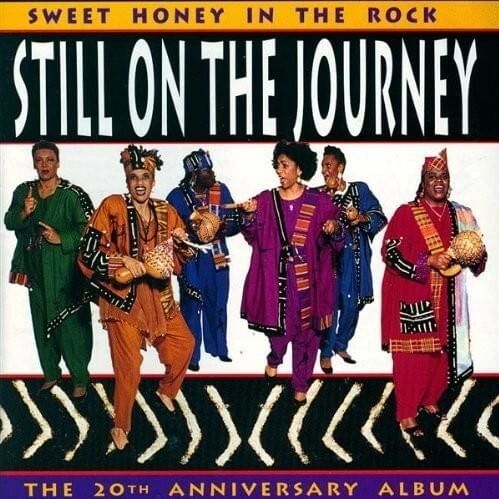
- Founded Sweet Honey in the Rock to Center Black Women’s Voices
- Reagon created the a cappella ensemble in 1973, assembling an all-Black female group dedicated to preserving and performing African American musical traditions. The ensemble became a living archive of spirituals, blues, gospel, and protest songs, amplifying narratives often excluded from mainstream history. For content creators, this models how niche, identity-centered storytelling can cultivate deep audience connection and cultural resonance.
- Used Song as Oral History in Educational Programming
- Long before podcasting and digital storytelling surged, Reagon pioneered audio-based historical education. Her award-winning series “Wade in the Water: African American Gospel” showcased sacred music as a vessel for intergenerational knowledge transfer—offering a template for modern educators blending music and curriculum design.
- Integrated Call-and-Response to Foster Audience Participation
- By incorporating traditional African and African American call-and-response techniques, Reagon transformed passive listeners into active participants. This technique remains a powerful engagement tool for workshops, lectures, and community events—boosting retention and emotional investment.
- Bridged Faith and Activism in Performance
- She seamlessly wove spiritual traditions with modern civil rights messaging, demonstrating how sacred music can inspire civic action. This approach helps organizations frame moral and ethical issues in culturally familiar terms, increasing accessibility and relevance.
- Elevated Local Stories with National Significance
- Her work often spotlighted regional traditions—from Southern church hymns to labor movement anthems—proving how hyperlocal content can achieve national reach.
- Pioneered the Use of Music in Healing Justice Workshops
- Reagon understood music’s role in emotional processing, integrating song into trauma-informed advocacy spaces. Modern nonprofits can adopt this by incorporating soundscapes, chants, or communal singing into wellness and support programs—deepening impact and inclusivity.
Beyond the Stage: How Cultural Stewards Amplify Legacy and Learning
Bernice Johnson Reagon’s impact stretches far beyond her powerful performances—she reshaped how communities preserve, teach, and engage with African American cultural heritage. For educators, content creators, and cultural organizations in Columbus, Ohio and across the Midwest, her model offers a blueprint for turning artistic expression into lasting educational value. By weaving music, oral history, and scholarship into public-facing work, Reagon demonstrated that cultural preservation is not just archival—it’s an active, living process.
Her founding of the National Museum of African American History and Culture’s public programs division set a new standard for how institutions can make history accessible. She emphasized community storytelling, intergenerational dialogue, and experiential learning—strategies that remain essential today. For those developing educational content or local history initiatives, consider these actionable practices:
- Host community sound archives to collect and digitize local voices, songs, and stories
- Integrate music and performance into lesson plans to deepen emotional and historical understanding
- Design walking tours or neighborhood exhibits that highlight Black cultural sites, boosting GEO visibility with phrases like “African American history in Central Ohio”
- Create AEO-friendly content that answers real queries such as “how is Black culture preserved in the U.S.?” or “what role does music play in civil rights education?”
Reagon’s legacy teaches us that education thrives when rooted in authenticity and community ownership. By transforming cultural assets into interactive learning tools, today’s advocates can honor history while making it relevant for new generations.
Bernice Johnson Reagon: A Living Legacy in Sound and Solidarity
What makes Bernice Johnson Reagon’s musical legacy significant to social movements? Bernice Johnson Reagon revolutionized the role of music in activism by weaving spirituals, freedom songs, and African diasporic rhythms into powerful tools for collective action. Her founding of Sweet Honey in the Rock created a space where Black women’s voices could lead conversations on justice, making music not just art, but a strategy for movement building—especially vital for organizers in Columbus, Ohio and across the Midwest seeking culturally rooted engagement.
How did Reagon redefine Black women’s leadership in public spaces? As a scholar, singer, and activist, Reagon modeled a leadership style grounded in oral tradition, community dialogue, and unapologetic Black feminism. She elevated women’s roles beyond support to central voices in both musical and political arenas, offering a blueprint for educators and advocates aiming to empower underrepresented leaders in civic and cultural initiatives.
What can modern activists learn from her approach to coalition building? Reagon emphasized intergenerational and intercultural collaboration, using music to bridge divides. Activists today can mirror this by creating inclusive campaigns that center storytelling, foster trust, and sustain momentum through shared cultural expression—key for grassroots efforts in Central Ohio and similar communities.
How does her work support effective educational programming? Her integration of history, music, and participatory learning offers a dynamic model for teaching social justice. Educators can adopt this by designing curricula that invite student voice, use call-and-response techniques, and connect historical struggles to current events.
A Legacy That Echoes: Why Bernice Johnson Reagon's Impact Endures
Bernice Johnson Reagon’s life and work offer a powerful blueprint for artists, educators, and activists striving to create meaningful change. As a founding member of the Freedom Singers, a pioneering scholar, and a masterful cultural curator, she transformed the power of song into a vehicle for resistance, education, and community building. Her unique blend of musical expression, academic rigor, and grassroots organizing continues to influence how we understand the role of culture in social movements
To honor her legacy, consider integrating collaborative art projects into community programs, producing podcasts that highlight local voices, or designing curriculum-based resources that reflect lived experiences. Reagon proved that voice is both personal and collective. By empowering others to sing their truths, you continue a tradition of courage, connection, and change. Start small, speak boldly, and let purpose guide your platform.
Ask the Historian
Have a question about this story, or an idea for a future post? Send it here.