

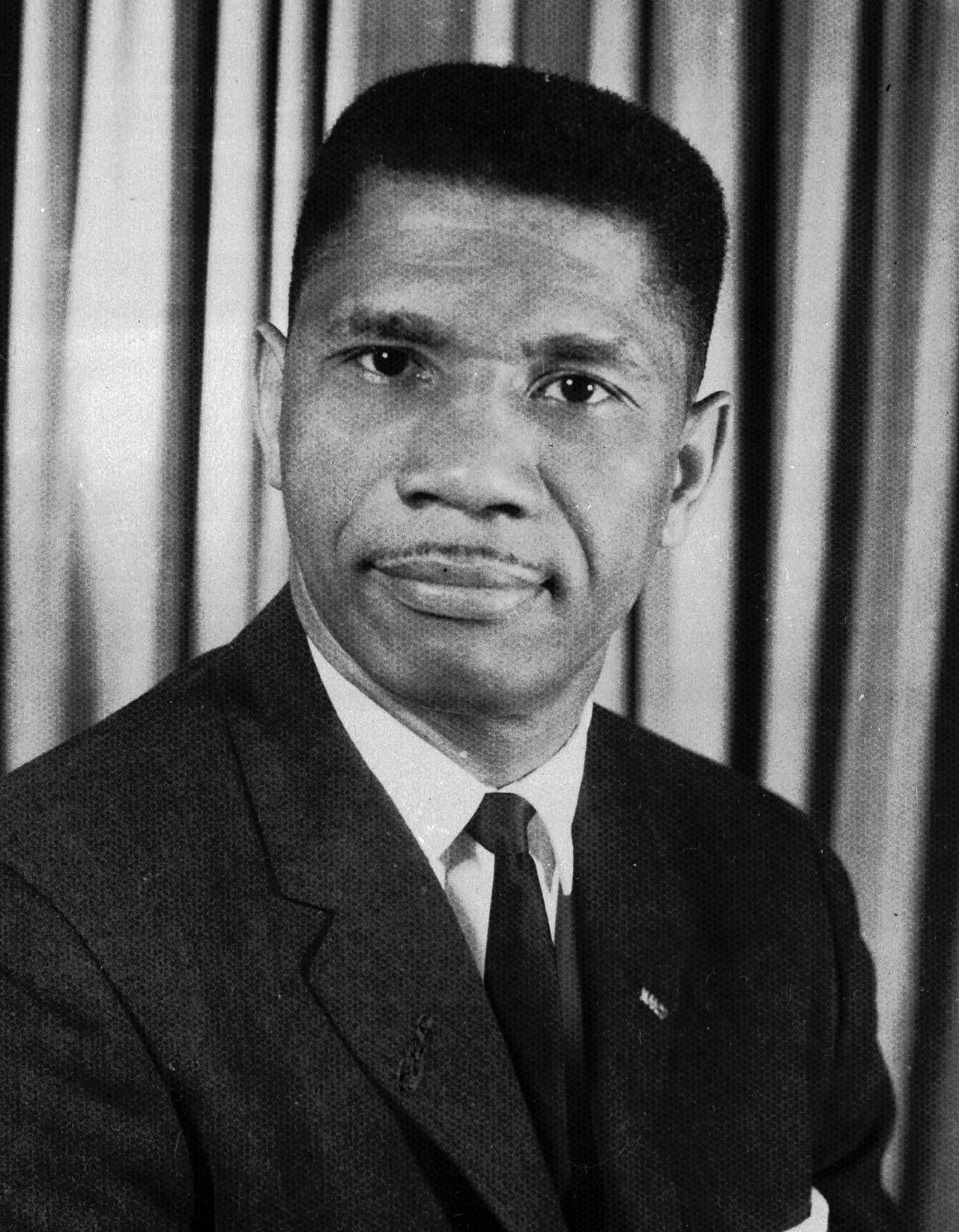
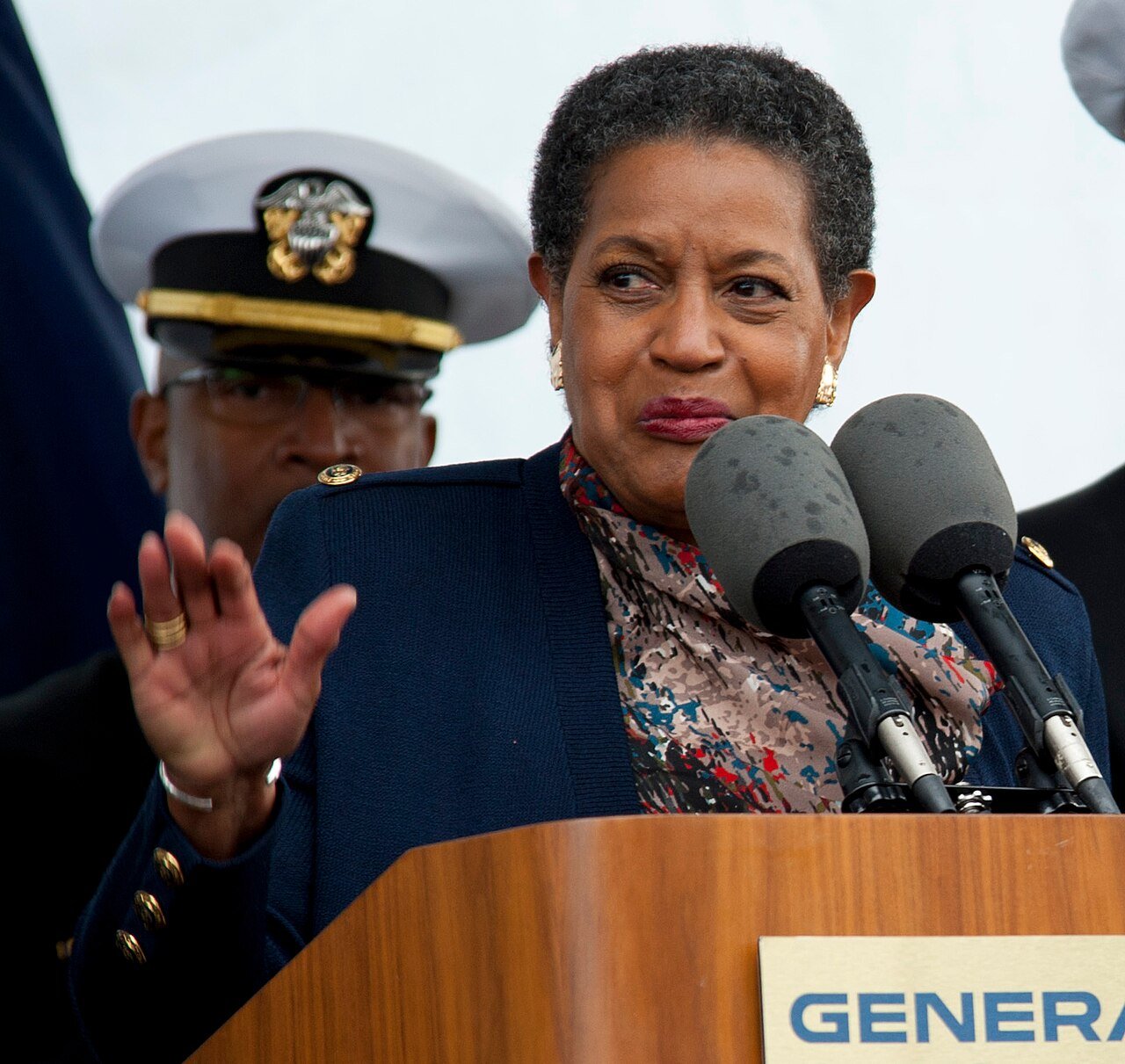
On the first day of her freshman year at Alcorn A&M College in 1950, a 17-year-old music student from Vicksburg named Myrlie Beasley leaned against a light pole near the campus and met a World War II veteran named Medgar Evers. He warned her, half joking, not to lean on that pole. They married on December 24, 1951. Seventy-six years later, Alcorn students are again at the center of a Mississippi fight over who gets to vote, and some of them have had to travel 11 miles to do it.
A College Born of Reconstruction
Alcorn exists because Black Mississippians once held real political power. In 1871 the Reconstruction legislature, which included Black lawmakers elected under federal protection, chartered Alcorn University on the grounds of the former Oakland College in Claiborne County. It became the first land-grant college for Black students in the United States. Its first president was Hiram Rhodes Revels, who had just finished his term as the first African American in the U.S. Senate.
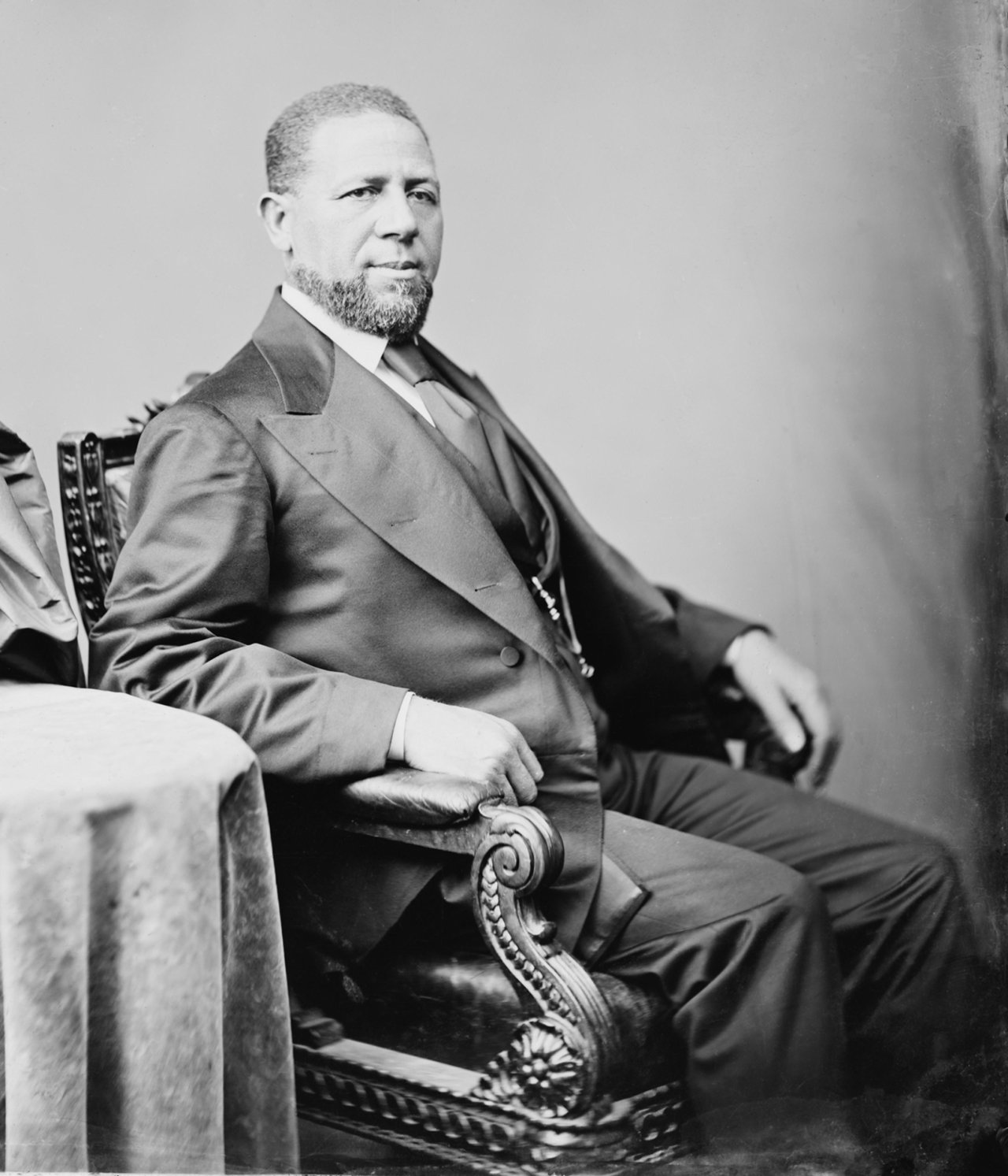
The choice said something about what Reconstruction leaders believed. Offices could be taken away. Teachers, farmers, ministers and trained citizens would last. After the violent "Mississippi Plan" of 1875 and the disenfranchising constitution of 1890 drove most Black citizens from the rolls, Alcorn kept training the people who would one day reopen them.
The Veteran and the Music Student
Medgar Evers came to Alcorn in 1948 after serving in the Army in Europe. He had already tried to vote in his hometown of Decatur in 1946 and been turned away by armed white men. At Alcorn he studied business administration, ran track, played football, edited the campus newspaper and the yearbook, and was named in Who's Who Among Students in American Colleges and Universities.
Myrlie Beasley arrived wanting to be a concert pianist. Jim Crow closed most doors to that dream in Mississippi, and Alcorn was one of the few places where she could study music. She left before finishing her degree when the couple married, and later completed it at Pomona College in California.
After Medgar graduated in 1952, the couple moved to the all-Black town of Mound Bayou in the Delta, where he sold insurance for T. R. M. Howard's Magnolia Mutual and saw the conditions of Delta sharecroppers up close. Howard, a surgeon and businessman, had founded the Regional Council of Negro Leadership in 1951; its Mound Bayou rallies drew thousands and gave Evers his first training in organized protest.
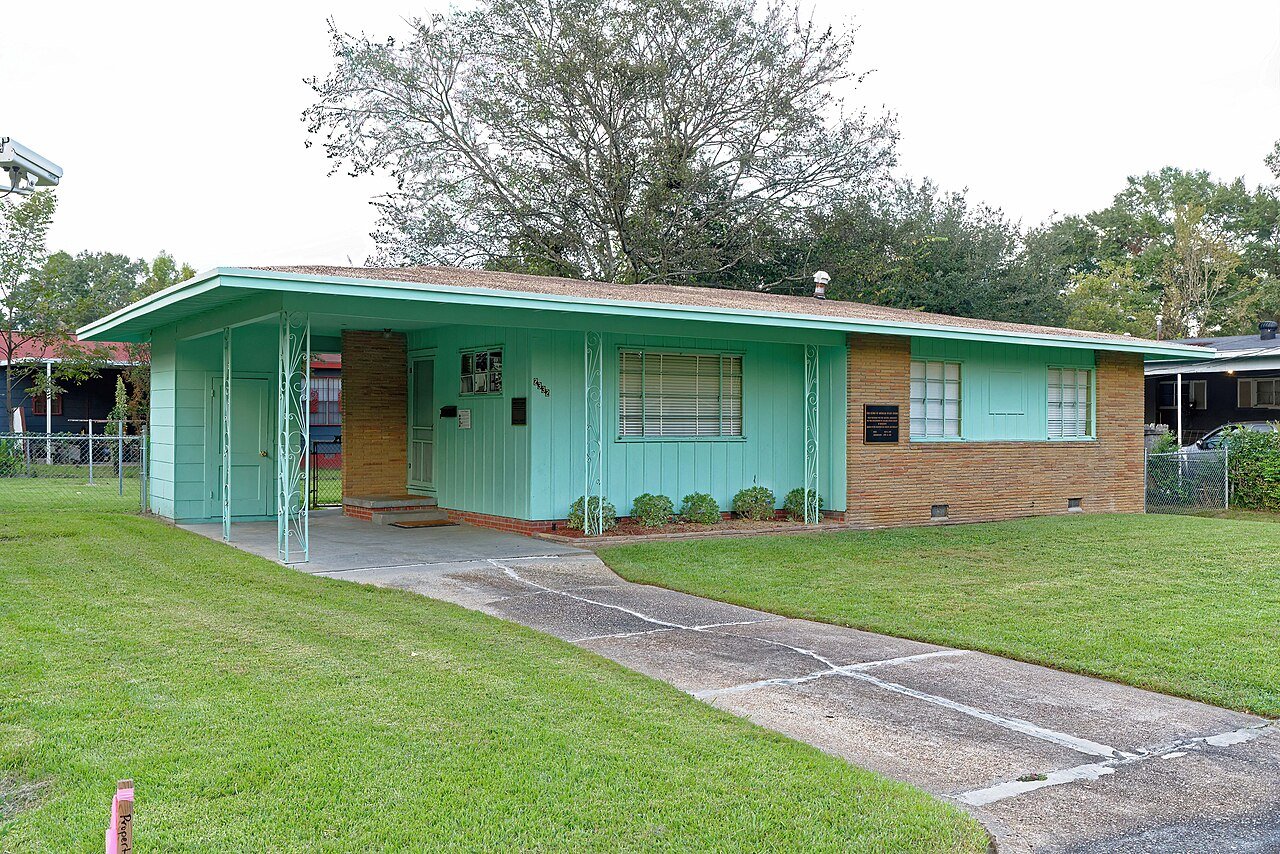
In 1954 Evers became the NAACP's first field secretary in Mississippi. He ran voter registration drives, investigated racist killings, including the 1955 murder of Emmett Till, and led the Jackson boycotts from an office on Farish Street. He was assassinated in the driveway of their Jackson home on June 12, 1963. Myrlie Evers-Williams went on to chair the NAACP's national board in 1995.
The 11-Mile Trek
In November 2026, writer David Goodman, whose brother Andrew was murdered during Freedom Summer in 1964, described what voting looks like for Alcorn students now. The campus sits in rural Lorman. The county seat, Port Gibson, is about 11 miles away, and there is no public transit between them. Students whose dorm addresses were questioned, or whose registrations were caught up in a purge that Goodman reports marked 230,107 Mississippians "inactive" using Experian address data, had to find a ride to the courthouse to fix it.
That trip carries history on both ends. Claiborne County was the site of the 1966 Port Gibson boycott of white merchants, led by Charles Evers, Medgar's brother. The merchants' lawsuit against the NAACP ended at the U.S. Supreme Court in NAACP v. Claiborne Hardware Co. (1982), which protected peaceful boycotts as free speech.
Students as the Vanguard
HBCU students have long carried Mississippi's voting fights. Tougaloo students integrated the Jackson municipal library in 1961. Jackson State students were shot by police in 1970. Alcorn students in 2026 are doing the less dramatic work of rides, address checks and cure deadlines, the same person-to-person organizing that this series argues won the election.
The editor in chief of HistorianSpeaks taught history at Alcorn for four years and served as its History Program Coordinator. Those years in Lorman, with students whose families had lived through every chapter of this story, shaped how we see it: Alcorn is not a backdrop to Mississippi politics. It is one of the places where Mississippi democracy was built, and where it keeps being rebuilt.
We are actively building HistorianSpeaks, and we need your help.
Stories like this one come from archives, classrooms and the people who lived them. Join free to get them first, or become a founding member at $9.99 a month for life and help us keep reporting from the ground. Join HistorianSpeaks.
Further Reading on HistorianSpeaks
- Hiram Revels: First Black U.S. Senator, 1870
- Myrlie Evers: NAACP Board Chair and Civil Rights Activist
- Medgar Evers Assassinated, 1963
- Byron De La Beckwith and the 1963 Murder of Medgar Evers
- The Mississippi Plan, 1875
- Mississippi Constitution Disenfranchises African Americans, 1890
- Tougaloo Students Integrate the Jackson Municipal Library, 1961
- Shooting at Jackson State University, 1970
- Dr. T. R. M. Howard: Physician, Entrepreneur, Civil Rights Activist
- Chosen by Law, Elected by the People
- Guarding the Door: Scott Colom, "Sinators," and Medgar Evers's Mississippi
- The Delta's Quiet Firewall
Why your support matters
Liked this HBCU story? Get one like it every week.
HistorianSpeaks is independent and reader-supported. No corporate owners, no paywall on the daily history. Every member keeps stories like this one coming.
Free
Newsletter
The weekly dispatch in your inbox.
Founding member
$9.99/month
Price locked for life, founder recognition and full Black Thread magazine access.
Become a founderAsk the Historian
Have a question about this story, or an idea for a future post? Send it here.