
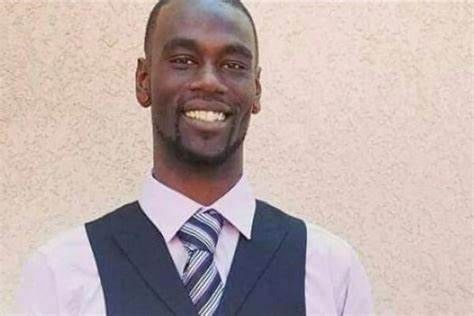
The murder of Tyree Nichols continues an ongoing pattern of the mistreatment of unarmed Black citizens by law enforcement. While much of the focus has been on the five officers charged with second degree murder, kidnapping, and other lesser offenses, this focus obscures a much deeper structural problem. The pattern of problematic traffic stops leading to the death of African Americans goes back at least to the Watts Riot of 1965, and most likely well before. Why has law enforcement failed to stop this trend? What is it about Black drivers that raises the ire of law enforcement officers? The answer are complex, but they speak to a system of policing Black Lives that is fatally broken . The murder or Tyree Nichols is the latest murder by police officers in a long litany of cases. While much ado had been made about the race of the officers ( all five were African American), these comments are made to suggest race was not a factor. In fact, some have argued, it’s takes race off the table. Nothing can be further from the truth. In fact , this case puts race squarely on the table. It speaks to our assumptions about who we are as Americans and whom we deem as deviant or criminal. In this case, just a cursory examination of the video footage of Nichols death reveals telling and damaging information about race and its implications. Members of Memphis law enforcement’s Scorpion team encountered a male black driver.It’s is unclear why the initial traffic stop was made.We know Blacks are more likely to be stopped at night by police than any other group. Nichols falls into this pattern. Once engaged, we can see but the conduct of the officer’s is overly aggressive. Without provocation, they aggressively extract Mr. Nichols from his car and then proceed to draw their guns and repeatedly threaten Nichols. They then threaten to pepper spray him and proceed to do so. At some point, Nichols manages to escape and proceeds to run away. It is also clear that law enforcement interacts more aggressively and disrespectfully with Black citizens than their white counterparts. The treatment of Nichols at the outset of the encounter demonstrates this well known fact. The remaining portion of the encounter also follows a predictable pattern. Nichols was literally running for his life. When the officers caught up with him they essentially “punished him.” The latter part of the encounter, captured from a still camera shows the brutality inflicted on Nichols. Indeed, many comparisons have been to the Rodney King beating in 1991 (see the videotape below). King was perceived as a threat and repeatedly abused. Nichols endured the same treatment. He was tased, pepper sprayed, assaulted with the nightstick, kicked in the head, chest and abdomen. He was also struck in the face while restrained more than nine times.
The fact that the officers were Black does not take race off the table. Operating under the same logic of Black drivers as inherent threats, subject to search, treated disrespectfully and ultimately beaten to death, these officers acted no different than their white peers. They checked all the boxes for how Black drivers are treated. This is a disturbing case that shows that we need to have serious conversations about how Black citizens are treated.
Ask the Historian
Have a question about this story, or an idea for a future post? Send it here.