A New Chapter in Presidential History: Why the Obama Library Stands Apart
Presidential libraries have long served as guardians of American legacy, but the Obama Presidential Library redefines what these institutions can become. Unlike traditional archives, this transformative space blends historical preservation with civic engagement, digital innovation, and community-driven programming. Located on Chicago’s vibrant South Side, the library isn’t just a monument to the 44th president’s tenure—it’s a living platform designed to inspire future leaders, amplify underrepresented voices, and bridge gaps in civic participation.
For educators, students, and community organizers across cities like Columbus, Chicago, and beyond, the library offers a model for how historical institutions can remain relevant in a digital-first world. Through interactive exhibits, open-access archives, and youth leadership initiatives, it demonstrates how legacy spaces can drive real-world impact. Visitors won’t just view artifacts—they’ll engage in workshops on public service, explore digitized records from the Obama administration, and participate in dialogues on democracy and equity.
A Living Legacy: Empowering Communities Through Civic Engagement
The Obama Presidential Library isn’t just a monument to the nation’s 44th president—it’s a forward-thinking institution designed to inspire action and cultivate leadership for future generations. At its core, the library’s mission centers on active citizenship, aiming to transform historical reflection into real-world impact. By prioritizing civic engagement and leadership development, it serves as a model for how cultural institutions can become catalysts for community growth, particularly in urban centers like Chicago’s South Side and beyond.
This vision translates into accessible programs that equip individuals with tools to lead with purpose. Whether through youth leadership workshops, public forums on social justice, or digital resources for educators in Ohio, Texas, or Columbus, the library emphasizes hands-on learning. Its initiatives are structured to encourage participation from diverse backgrounds, ensuring that leadership development isn’t limited to a select few but is inclusive and equitable.
Key components of the library’s civic strategy include:
- Skill-building labs focused on public speaking, community organizing, and policy advocacy
- Mentorship networks connecting emerging leaders with experienced changemakers
- Free, downloadable curricula for schools and nonprofits to use in local programming
- Community challenge grants that fund grassroots projects addressing education, health, and equity
By blending historical insight with actionable frameworks, the Obama Presidential Library redefines what a presidential archive can be: not a static collection, but a dynamic engine for civic innovation and enduring social progress.
A Vision in Concrete and Green: Designing the Obama Presidential Library
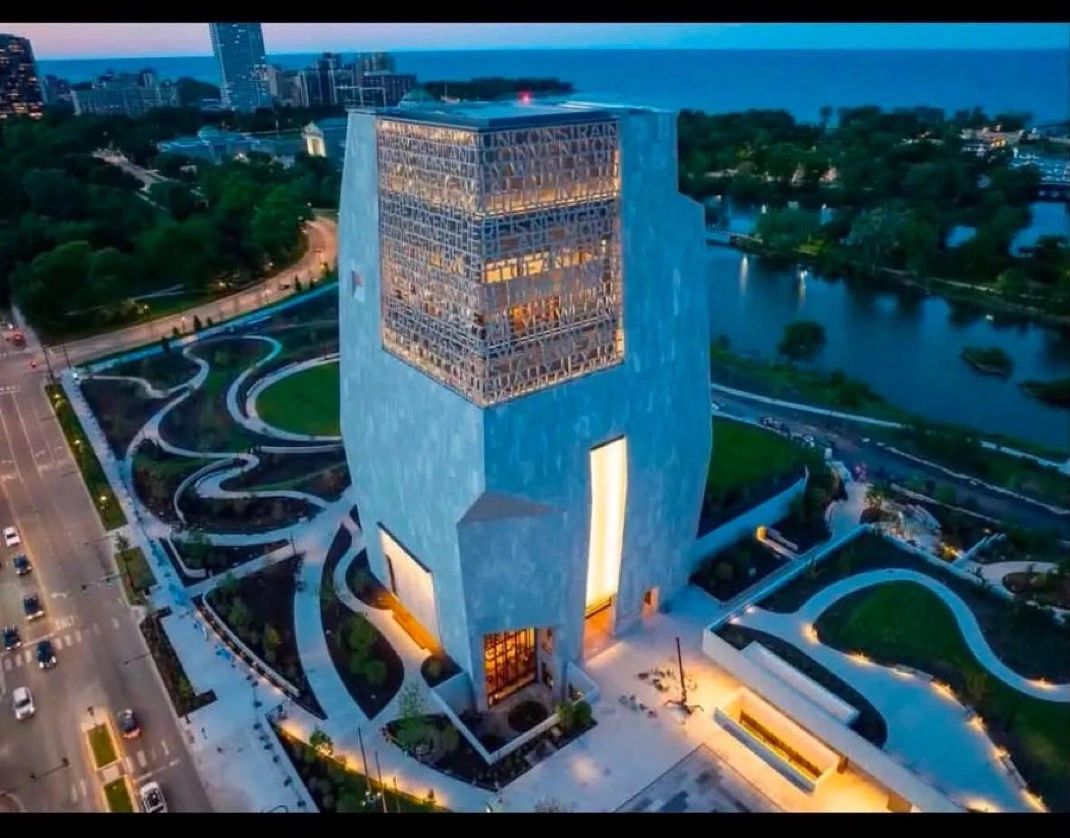
Nestled within the historic Jackson Park on Chicago’s South Side, the future Obama Presidential Library stands as a testament to forward-thinking design and environmental stewardship. More than just a monument to legacy, the facility’s architecture merges cultural significance with sustainable innovation, setting a benchmark for public institutions nationwide. Designed with deep respect for its urban setting, the library integrates seamlessly into one of Chicago’s most iconic parklands, honoring both the natural landscape and the community it serves.
The building’s layout prioritizes accessibility and connection, featuring open gathering spaces, expansive glass facades to invite natural light, and green rooftops that reduce stormwater runoff. Sustainable features include energy-efficient HVAC systems, solar panel integration, and the use of locally sourced, low-impact construction materials—key strategies for minimizing carbon footprint while maximizing long-term resilience.
Urban planners and designers can learn from its context-sensitive approach: placing the museum within Jackson Park reinforces the importance of preserving green space in dense metropolitan areas while creating a civic destination that’s both functional and inviting. For those developing public or cultural projects, prioritizing environmental integration, community access, and energy performance ensures lasting value. This is thoughtful urbanism in action—where architecture doesn’t just occupy space, but enhances it.
5 Innovative Exhibits and Programs Bringing the Obama Legacy to Life—Digitally and Locally
The Obama Presidential Library isn’t just a monument to history—it’s a forward-thinking hub designed to engage, educate, and empower communities nationwide. With a strong emphasis on digital accessibility and inclusive outreach, the library is redefining how presidential archives serve the public. Here are five standout initiatives shaping its impact:
- Immersive Digital Storytelling Galleries
- Visitors will experience pivotal moments of the Obama administration through interactive timelines, augmented reality exhibits, and narrated video archives. These digital galleries will be fully accessible online, allowing schools and learners in cities like Columbus and beyond to explore policy milestones, cultural shifts, and personal stories from the White House years—all from a classroom or home device.
- Youth Civic Engagement Labs
- Designed for middle and high school students, these hands-on programs will teach leadership, public speaking, and community organizing skills. Hosted both in-person and via virtual workshops, the labs will encourage youth to develop service projects, fostering the next generation of changemakers in urban and rural communities alike.
- Community Oral History Projects
- The library will partner with local organizations to collect and archive personal narratives from everyday Americans who lived through the 2008–2016 era. These firsthand accounts will be preserved in a publicly accessible digital repository, ensuring diverse voices—especially from underrepresented neighborhoods—are part of the national conversation.
- Mobile Digital Kiosks for Underserved Areas
- To bridge the digital divide, traveling exhibit units equipped with high-speed internet and touch-screen interfaces will visit community centers, libraries, and schools in regions with limited tech access. These kiosks will deliver curated content on civil rights, health care reform, and education policy, making the library’s resources more equitable.
- Virtual Educator Resource Hub
- Teachers can access downloadable lesson plans, primary source collections, and live virtual field trips aligned with national and state standards. This hub will support educators in Ohio and across the U.S. in integrating modern history into their curricula with accuracy, depth, and cultural relevance.
Building a Monument to Modern History: Inside the Obama Presidential Library's Development
The Obama Presidential Library is more than a monument—it's a living institution in the making, symbolizing a new era in how presidential legacies are preserved and shared. Currently under construction in Jackson Park, Chicago, the campus is rapidly taking shape, with foundational work complete and structural framing underway. The Obama Foundation, the driving force behind the project, continues to oversee every phase, ensuring the library meets sustainability benchmarks while integrating seamlessly into the South Side community.
The library opened its doors on June 19th. The library serves as both an archival center and a community hub, offering public programming, youth leadership initiatives, and digital access to curated materials. Unlike traditional presidential libraries, this project emphasizes accessibility, with a significant portion of its content available online to reach global audiences. For educators, civic leaders, and culture-focused organizations, the library represents a model for inclusive historical storytelling.
Key features include:
- A state-of-the-art museum with interactive exhibits
- Public green space connecting to the larger Park and Boulevard System
- A dedicated teen leadership center
- Multi-purpose event and learning spaces
As completion nears, stakeholders across cultural and educational sectors can look to this project as a blueprint for engaging diverse audiences and activating urban spaces through mission-driven development.
Frequently Asked Questions About the Obama Presidential Library: Public Access, Preservation, and Legacy
What makes the Obama Presidential Library different from traditional presidential libraries? Unlike older presidential models, the Obama Presidential Library leverages digital-first archiving, offering expansive online access to documents, speeches, and multimedia exhibits. Based in Chicago’s Jackson Park, it emphasizes community engagement, education, and civic innovation through interactive programs that reflect 21st-century leadership.
How does the library preserve President Obama’s legacy? Through curated collections—including presidential records, personal artifacts, and digital media—the library documents key moments from the administration, such as the Affordable Care Act and diplomatic milestones. Archival standards ensure long-term preservation while democratizing access for researchers, students, and civic organizations.
Can schools and educators use the library’s resources? Absolutely. The library provides standards-aligned curricula, virtual field trips, and professional development tools focused on civics, democracy, and social justice. Educators in urban and rural districts alike can integrate these materials into classroom learning or community discussions.
Is the Obama Presidential Library part of the National Archives system? Yes. Operated in partnership with the National Archives and Records Administration (NARA), it follows federal guidelines for preserving presidential materials while maintaining a unique community-centered design.
How can the public support or engage with the library before it fully opens? Individuals can participate in regional outreach events, online lectures, and youth leadership initiatives hosted by the Obama Foundation. Subscribing to official updates ensures access to launch information and volunteer opportunities.
A Legacy That Moves Forward: Inspiring the Leaders of Tomorrow
The Obama Presidential Library isn’t just a monument to the 44th president—it’s a living blueprint for inclusive leadership and civic engagement. As the first African American presidential library, its significance reaches beyond architecture and archives. Located in the heart of Chicago’s South Side, it stands as a symbol of progress, resilience, and the transformative power of representation. For educators, community organizers, and change-makers in cities like Columbus, Ohio, and across the nation, this landmark offers more than history—it offers a model for how leadership can be redefined and democratized.
At its core, the library is designed to empower. By digitizing records, hosting youth leadership programs, and spotlighting grassroots activism, it shifts the narrative from passive observation to active participation. It encourages visitors—especially young people—to see themselves as authors of change. Through interactive exhibits and community-driven events, it fosters civic literacy, cultural awareness, and inclusive storytelling—skills critical for building equitable institutions.
To honor this legacy, consider how your organization can create space for underrepresented voices. Launch mentorship initiatives. Host neighborhood dialogues on equity and justice. Use your website to share untold stories and elevate local leaders.
The real power of the Obama Presidential Library lies in what it inspires next: a generation of leaders who lead with empathy, accountability, and bold vision. Start building that future today.
Ask the Historian
Have a question about this story, or an idea for a future post? Send it here.