
-ce01af2.jpg)
The Israeli-Hamas conflict has galvinized the world's attention. The increasingly unbearable humantarian cost is measured in the disruption and displacement of more than 1,500,000 people, lack of adequate medical faclilities due to the ravages of war, the tense relationship between Palestinian NGOs (nongovernmental organizations) and the Israeli government and the efforts of international NGOs to deliver humanItarian aid and relief to Palestinian civilians trapped in an ongoing vortex of war. Below, we have constructed an informational blog to discuss some of the major challenges related to humantarian aid in Gaza.
- Health Crisis in Gaza:
- Background: Prior to the current crisis, Gaza’s health system faced numerous challenges due to a complex geopolitical situation. The Israeli blockade since 2007, combined with intermittent conflicts, left the health infrastructure fractured and with limited specialized services and technology.
.jpg)
.jpg)
.jpg)
.jpg)
- Challenges: Importing essential medical supplies and equipment was complicated, leading to frequent shortages. Health care workers remained resilient despite these difficulties.
- Health Status: Life expectancy in Gaza is lower, and infant and maternal mortality rates are higher compared to other regions. Noncommunicable diseases like diabetes, hypertension, and cardiovascular issues are prevalent. Mental health issues, acute and chronic malnutrition, and lack of clean water access persist
.png)
Immediate Health Concerns:
- Red Flags: From a public health and humanitarian perspective, there are already massive concerns. Even before any potential ground invasion by Israel, the situation is critical.
- Humanitarian Response: The global humanitarian system is overwhelmed, and civilians in Gaza face urgent health risks
Excellent source for Satellite Pictures of the Destruction in Gaza
How war destroyed Gaza’s neighbourhoods – visual investigation | Gaza | The Guardian
Humanitarian Aid and Consequences:
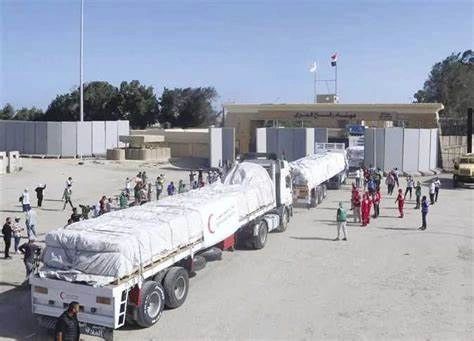
- Airstrikes and Aid Restrictions: Israeli airstrikes and continued aid restrictions led to widespread shortages of food and supplies.
- UNRWA Funding: Major Western donors ceased funding UNRWA (the major aid relief agency in Gaza), exacerbating the crisis.
.jpg)
Human Toll:
- Casualties: Israel’s retaliation has resulted in significant loss of life. As of February, 27,748 people have been killed, and over 66,800 others injured according to the Hamas-run Gaza Ministry of Health
.jpg)
.
The situation remains fluid, and staying informed and advocating for humanitarian principles and international humanitarian law are crucial during this crisis.
The Israeli-Hamas conflict has had significant implications for Non-Governmental Organizations (NGOs) operating in the region. Let’s explore how these organizations have been affected:
- Deauthorization of Palestinian NGOs:
On November 7, 2021, the Israeli military deauthorized six Palestinian NGOs in the Occupied Palestinian Territory.
- These NGOs had been providing essential services to countless Palestinians and working with the international community, including the UN
- The move was an extension of the Israeli Minister of Defense’s decision in October 2021, designating these Palestinian human rights and civil society groups as terrorist organizations.
- The UN agencies expressed concern, emphasizing the importance of respecting freedom of association and expression under international law
Important Sources on Palestinian NGOs.
NGO Directory of Palestine | arab.org
‘Not going anywhere’: The Palestinian NGOs shut down by Israel | Israel War on Gaza News | Al Jazeera
Allegations and Lack of Documentation:
- Israel claimed that these organizations were tied to the Popular Front for the Liberation of Palestine (PFLP), a political movement with an armed wing.
- However, none of the UN agencies or AIDA received written documentation to substantiate these allegations.
- Counter-terrorism legislation must adhere to international humanitarian and human right
- s law, ensuring it does not hinder legitimate human rights and humanitarian work
NGO-EU Dependency:
- The EU’s structural weakness in foreign policy making and its emphasis on soft power have led to close cooperation with NGOs.
- NGOs receive core funding from the EU, and in return, they provide legitimacy, information, and analysis.
- This interdependence has significant political and theoretical ramifications in the context of the Arab-Israeli conflict
Israeli Statement on Palestinian Nongovernment Organizations
Israel/Palestine: Designation of Palestinian Rights Groups as Terroist
(New York) – The Israeli Defense Ministry on October 19, 2021, issued a military order declaring six Palestinian civil society organizations in the Occupied Palestinian Territory to be “terrorist organizations.” The groups are Addameer, al-Haq, Defense for Children Palestine, the Union of Agricultural Work Committees, Bisan Center for Research and Development, and the Union of Palestinian Women Committees. The designation, made pursuant to a 2016 Israeli statute, effectively outlaws the activities of these civil society groups. It authorizes Israeli authorities to close their offices, seize their assets and arrest and jail their staff members, and it prohibits funding or even publicly expressing support for their activities.
Human Rights Watch and Amnesty International, who work closely with many of the groups, said in a joint statement:
“This appalling and unjust decision is an attack by the Israeli government on the international human rights movement. For decades, Israeli authorities have systematically sought to muzzle human rights monitoring and punish those who criticize its repressive rule over Palestinians. While staff members of our organizations have faced deportation and travel bans, Palestinian human rights defenders have always borne the brunt of the repression. This decision is an alarming escalation that threatens to shut down the work of Palestine’s most prominent civil society organizations. The decades-long failure of the international community to challenge grave Israeli human rights abuses and impose meaningful consequences for them has emboldened Israeli authorities to act in this brazen manner.
How the international community responds will be a true test of its resolve to protect human rights defenders. We are proud to work with our Palestinian partners and have been doing so for decades. They represent the best of global civil society. We stand with them in challenging this outrageous decision.”
Philanthropic Response:
- In the midst of escalating violence, philanthropy, charities, and NGOs have responded in mixed ways.
- Some efforts have arrived for Israeli emergency groups, with organizations like the American Jewish Joint Distribution Committee raising funds.
- However, philanthropy has largely been missing for the people of Gaza.
- Charities and international NGOs, such as the World Health Organization, Doctors Without Borders, and the International Committee of the Red Cross, have provided the bulk of Palestinian humanitarian aid

Long-Term Impact:
- The closure of Palestinian NGOs disrupts essential services and undermines civil society.
- Despite challenges, these organizations remain resilient, committed to their communities, and determined to continue their work
Ask the Historian
Have a question about this story, or an idea for a future post? Send it here.