
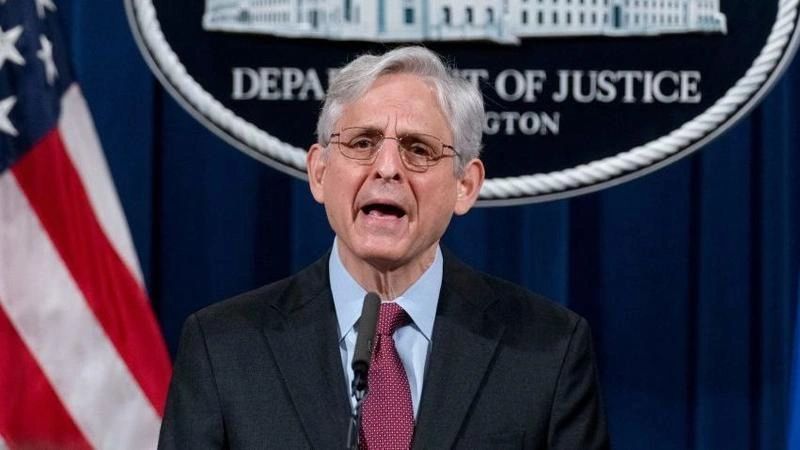
This informational blog provides an overview of the Department of Justice's findings following a three-year investigation of the City of Minneapolis and the Minneapolis Police Department. Below please find an amended Executive summary, the videotape of the DOJ news conference and a copy of the full report.
EXECUTIVESUMMARY
On April 21, 2021, the Department of Justice opened a pattern or practice investigation ofthe Minneapolis Police Department (MPD) and the City of Minneapolis . By then, Derek Chauvin had been convicted in state court for the tragic murder of George Floyd in 2020. Inthe years before, shootings by other MPD officers had generated public outcry, culminating in weeks of civil unrest after George Floyd was killed. Ourfederal investigation focused on the police department as a whole, not the acts of any one officer. To be sure, many MPD officers do their difficult work with professionalism , courage, and respect. Nevertheless , our investigation found that the systemic problems in MPD made what happened to George Floyd possible.
FINDINGS
TheDepartment of Justice has reasonablecauseto believethatthe City of Minneapolis and the Minneapolis Police Department engage in a patternor practiceofconductthat deprivespeople oftheir rights under the Constitutionand federal law: MPD uses excessive force, including unjustified deadly force and other types of force . MPD unlawfully discriminates against Black and Native American people in its enforcement activities . MPDviolatesthe rightsof people engagedin protectedspeech. andthe City discriminate against people with behavioral health disabilities when respondingto calls for assistance. We also found persistent deficiencies in MPD's accountability systems, training, supervision , and officer wellness programs , which contribute to the violations ofthe Constitution and federal law. Thefrustrationswith MPDthat boiledoverduring the 2020 protestswere not new. hese systemic issues didn't just occur on May25, 2020, a city leader told us. There were instances . . . being reported by this community longbefore that.
For years, MPD used dangeroustechniques and weapons against peoplewho committedat most a petty offense and sometimesno offense atall. MPD usedforceto punish peoplewho madeofficers angry or criticizedthe police. MPDpatrolled 1 neighborhoods differently based on their racial composition and discriminated based on race when searching , handcuffing , or using force against people during stops . The City sent MPD officers to behavioral health-related 911 calls, even when a law enforcement response was not appropriate or necessary , sometimes with tragic results . These actions put MPD officers and the Minneapolis community at risk. We reached these findings based on our review of thousands of documents , incident files, body-worn camera videos , and the City and MPD's data .
Our findings are also based on ride-alongs and conversations with MPD officers, City employees , mental health providers, and community members. We acknowledge the considerable daily challenges that come with being an MPD officer. Policeofficers must often make split-second decisions and risk their lives to keep their communities safe. MPD officers work hard to provide vital services, and many spoke with us about their deep connection to the City and their desire to see MPD do better. Still, since the spring of 2020, hundreds of MPD officers have left the force, and the morale of the remaining officers is low. Policing, by its nature, can take a toll on the psychological and emotional health of officers, and the challenges of the last few years have only exacerbated that toll for some MPD officers. To their credit, the City and MPD have pressed ahead with reform. MPD policy now prohibits neck restraints, and officers cannot use certain crowd controlweapons without approvalof the MPD chief. Following the 2022 death of Amir Locke during a no- knock warrant execution, MPD banned their use. The City has launched a promising behavioral health response program so that trained mental health professionals will respondto calls for service that do not need a police response. The Departmentof Justice expects to work collaborativelywith the City and MPD on the reforms necessaryto remedy the unlawful conduct outlined in this report. We especially appreciate the cooperation and candor of City and MPD officials during our investigation. The leaders ofthe City and MPD know they have a problem. Mayor Jacob Frey told us, We need help changing and reforming this department and the reforms need to permeate the department itself. Despite the initial steps the City and MPD havetaken toward reform, Mayor Freywas realistic about the challenges ahead. Clearly, he said, we still have a long way to go.
DOJ Investigation of the City of Minneapolis and the Minneapolis Police Department
full.pdf (nyt.com)
Ask the Historian
Have a question about this story, or an idea for a future post? Send it here.