
The Visionary Who Shaped a Cultural Awakening
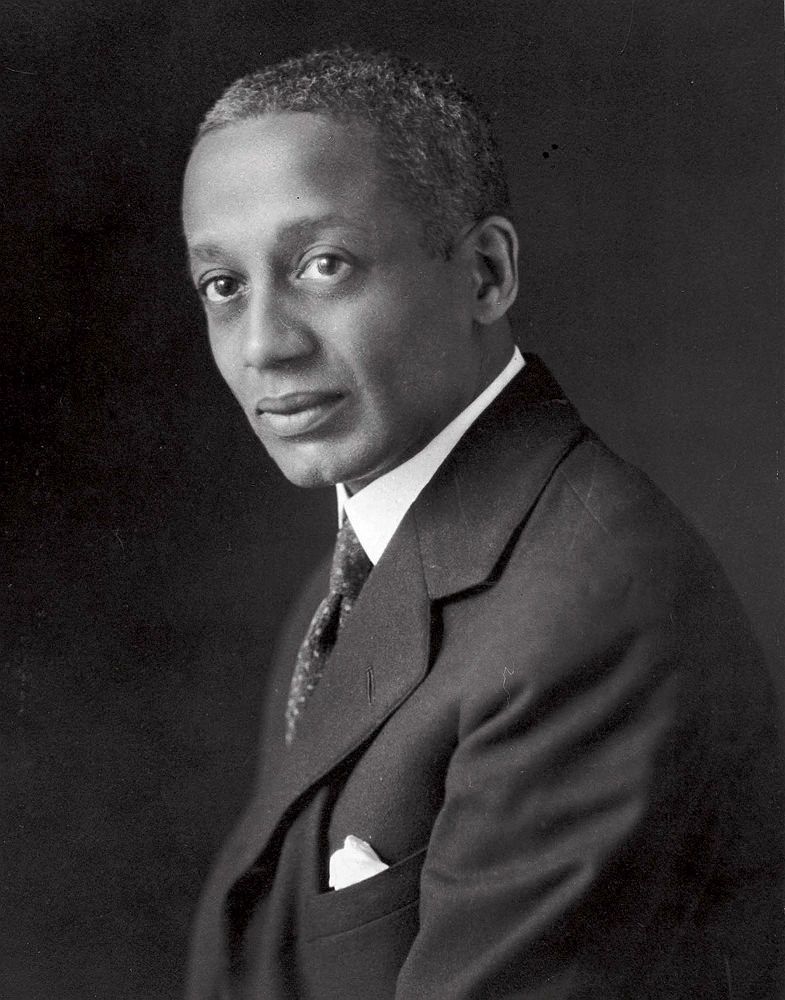
Long before the Harlem Renaissance became a household term, one intellectual was quietly laying the philosophical groundwork for a Black cultural revolution. Alain Locke emerged as a transformative force—not through protest alone, but through the power of ideas, aesthetics, and education. As the first African American Rhodes Scholar and a Harvard-trained philosopher, Locke redefined how Black identity was framed in art, literature, and academia during the early 20th century. His belief in the “New Negro”—a self-aware, culturally proud, and artistically empowered Black individual—became the intellectual backbone of a movement that reshaped American culture.
Forging Intellectual Foundations: The Early Life of Alain Locke
Alain Locke’s journey from a segregated American landscape to becoming a leading intellectual force of the Harlem Renaissance began with roots deeply embedded in education and cultural awareness. Born in Philadelphia in 1885, Locke faced a society marked by racial barriers—but his early exposure to rigorous academic standards helped shape a lifelong commitment to educational excellence and cultural uplift. As one of the first African Americans selected as a Rhodes Scholar, he studied philosophy at Oxford University, later expanding his studies at the University of Berlin. These formative years immersed him in global perspectives on art, democracy, and identity—perspectives that would later inform his vision for Black cultural expression in America.
His upbringing in a city with a strong tradition of free Black institutions gave him access to mentors and learning environments that nurtured his intellectual development. These early advantages weren’t just personal wins—they exemplify how access to quality education and culturally affirming spaces can transform individual potential into community empowerment.
How Alain Locke’s Vision Shaped a Cultural Awakening
Alain Locke’s philosophy of cultural pluralism didn’t just inspire the Harlem Renaissance—it gave it direction. At a time when systemic inequities sought to silence Black voices, Locke championed the idea that African American culture was not only valid but vital to the American fabric. His belief that diverse cultural expressions could coexist and enrich the broader society became a rallying cry for artists, writers, and musicians seeking authenticity in their work. For educators, curriculum designers, and content creators in Columbus, Ohio, and other urban centers, Locke’s framework offers a blueprint for inclusive cultural programming.
Locke encouraged Black creatives to draw from their heritage—not as a relic of the past, but as a dynamic source of innovation. This empowered a generation to explore African motifs, jazz rhythms, Southern vernacular, and spiritual traditions with pride.
5 Ways Alain Locke’s ‘The New Negro’ Shaped the Harlem Renaissance
Alain Locke’s groundbreaking anthology The New Negro did more than collect essays and art—it ignited a cultural revolution. As the intellectual architect of the Harlem Renaissance, Locke used this compilation to redefine Black identity, creativity, and self-expression in early 20th-century America.
- Elevated Black Intellectuals as Cultural Leaders
- Locke intentionally featured scholars, poets, and thinkers like Langston Hughes and Countee Cullen, positioning them as central figures in a new cultural narrative.
- Integrated Art and Ideas into a Unified Movement
- By blending literature, philosophy, and visual art, The New Negro created a multidimensional portrait of Black life.
- Centered Regional Voices with National Impact
- Though Harlem was the epicenter, Locke emphasized cultural roots across the South and urban North.
- Championed Cultural Self-Definition
- Locke rejected stereotypes by asserting that African Americans should define themselves.
- Modeled the Power of Editorial Leadership
- As editor, Locke didn’t just compile work—he curated a vision.
The Enduring Footprint of Alain Locke: Shaping Education and Cultural Identity
Alain Locke’s influence extends far beyond the Harlem Renaissance—he redefined how African American culture is studied, taught, and represented in academic and community spaces. As a philosopher, educator, and cultural critic, Locke championed the idea of the “New Negro,” advocating for self-expression, racial pride, and intellectual autonomy.
What You Should Know About Alain Locke: Common Questions Answered
Who was Alain Locke and why is he called the Father of the Harlem Renaissance? Alain Locke was a philosopher, educator, and cultural critic whose vision and leadership helped shape the Harlem Renaissance into a transformative movement. As the first African American Rhodes Scholar and a distinguished professor at Howard University, Locke used his academic platform to champion the artistic and intellectual potential of Black Americans. He believed that cultural expression—through literature, art, and music—could challenge racial stereotypes and assert the dignity of African American identity.
What was Alain Locke’s most influential contribution to African American culture? Locke’s 1925 anthology The New Negro became a defining text of the era, compiling essays, poetry, and art that showcased the breadth of Black creativity. The collection emphasized self-expression and racial pride, urging artists to draw from African heritage and lived experience.
How did Locke support emerging Black artists and writers? He mentored and promoted figures like Langston Hughes, Zora Neale Hurston, and Aaron Douglas, connecting them with patrons and publishing opportunities.
What role did philosophy play in Locke’s vision for the movement? Rooted in pragmatism and cultural relativism, Locke argued that art was not separate from social progress—it was central to it. His belief in “cultural pluralism” resonates today in curriculum development that values diverse perspectives.
Ask the Historian
Have a question about this story, or an idea for a future post? Send it here.