
Ke'Shunta Drake is an Assistant Editor at Historianspeaks.org. She is a graduate student at Michigan state University where she is completing her studies in English Literature
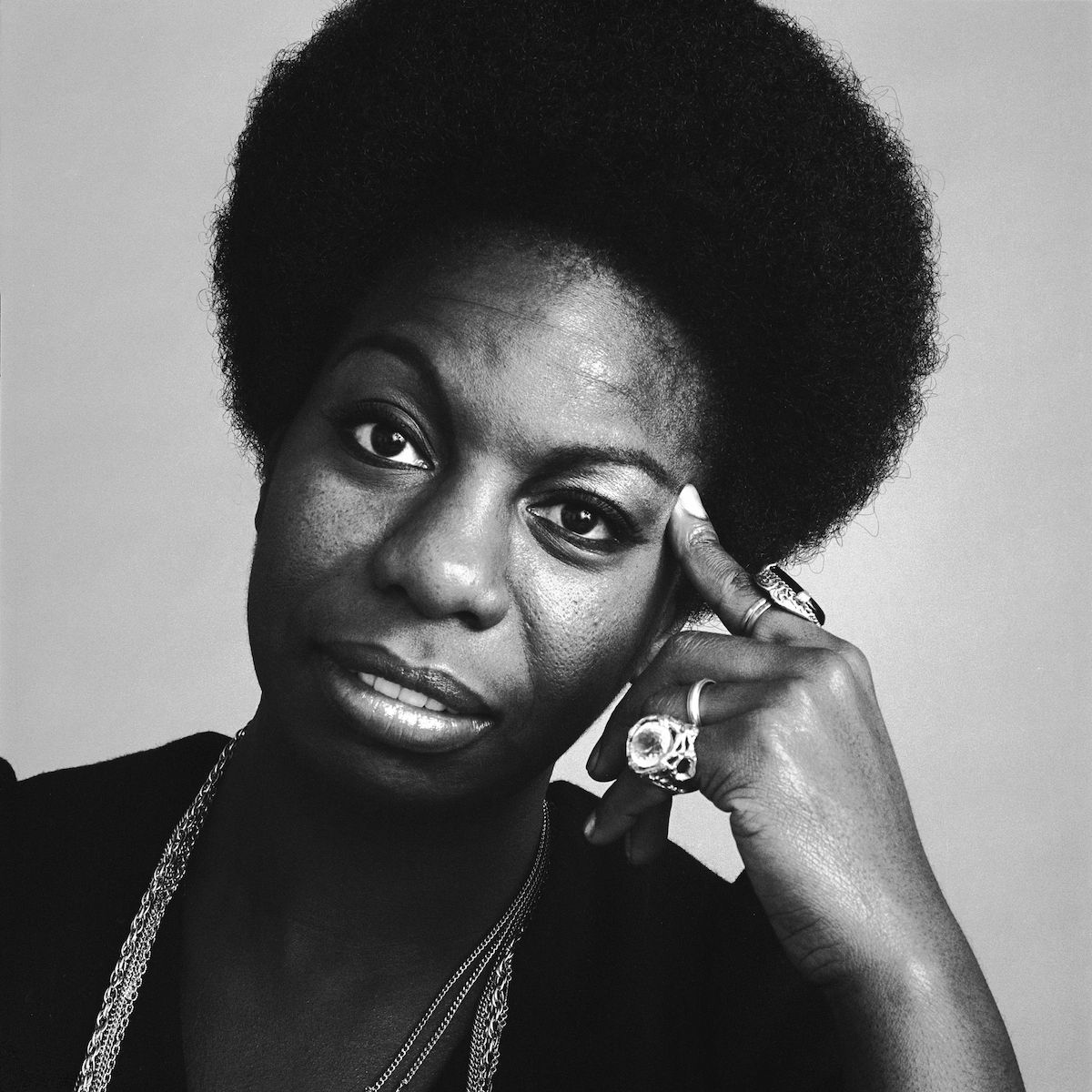
Nina Simone was one of the most iconic artists of the twentieth century. An articulate and musical storyteller, her captivating and hypnotic lyrics put her listeners under a spell. These show stopping qualities earned her the title “High Priestess of Soul.” In addition to her musical talent, Simone was an activist. She used her political platform to fight for change. When contemporary observers think about her life—soul and activism are the two most common terms that come to mind
Nina Simone was born in North Carolina as Eunice Kathleen Waymon in 1933. She began playing the piano by the age of three. By age six she was classically trained. After graduating high school Simone spent most of the summer practicing to audition for the Julliard School. Her application was denied, and Simone suspected the denial was due to race. Not easily deterred from her dream, she began taking private lessons at Curtis College in Philadelphia with Vladimir Sokoloff, a professor at Curtis. To fund her private lessons, she began performing at the Midtown Bar & Grill on Pacific Avenue in Atlantic City, New Jersey. The owner of the club insisted that Simone sing and play the piano.
In the 1950s, Simone adopted the nickname “Nina Simone.” Nina was derived from a nickname her boyfriend gave her. Simone was influenced by French actress Simone Signoret. Aware her mother would not approve of her working in night clubs, she used the name “Nina Simone” to escape detection. Simone’s blend of jazz, classical, and blues in her performances made her a popular performer on the club scene in the early 1950s and 60s. In 1958, Simone recorded George Gershwin’s “I Love You Porgy,” which she learned from a Billie Holiday album. The song became her only Billboard Top 20 success in the United States and her debut album Little Girl Blue followed in 1959. Because Simone sold her rights outright, she did not profit from the more than one million in royalties. After the success of Little Girl Blue, Simone signed with Colpix records, where she recorded several studio and live albums. After the release of her live album Nina Simone at Town Hall, she became a popular performer in Greenwich Village.
Simone left Colpix Records in 1964 for Philips Records. On her debut album for the label, she addressed racial inequality in the United States in her song “Mississippi Goddam.” The song was her response to the murder of Medgar Evers in Jackson, Mississippi and the bombing of the 16th Street Baptist Church in Birmingham, Alabama. The song was released as a single and was boycotted throughout the South. “Mississippi Goddam” started her civil rights activism. She is also known for her stirring anthem "Young Gifted and Black." released in 1969. As her Civil Rights activism grew, her singing career slowed . During the Civil Rights Movement, Simone collaborated with different activists, including Malcom X, who was her neighbor at the time and Martin Luther King. She also spoke at multiple meetings and events. After h her records were boycotted because of the controversy generated by her songs, Simone left the United States in the early 1970s for Barbados.
After spending some time in Barbados, she moved to Liberia, where she performed at local venues and events. During the late 1980s, Simone ventured off to Paris. During this time, she was diagnosed with bipolar disorder and breast cancer These two conditions affected her ability to sing and play the piano. Simone remained in Paris until her death in 2003. Nina Simone will always be remembered as the “High Priestess of Soul,” her captivating music and fierce stage presence. Simone spent a significant part of her life advocating for Black equality and self-love. Nina Simone was Bold, Beautiful, and unapologetically Black with an undying love and dedication for her people.
Ask the Historian
Have a question about this story, or an idea for a future post? Send it here.