
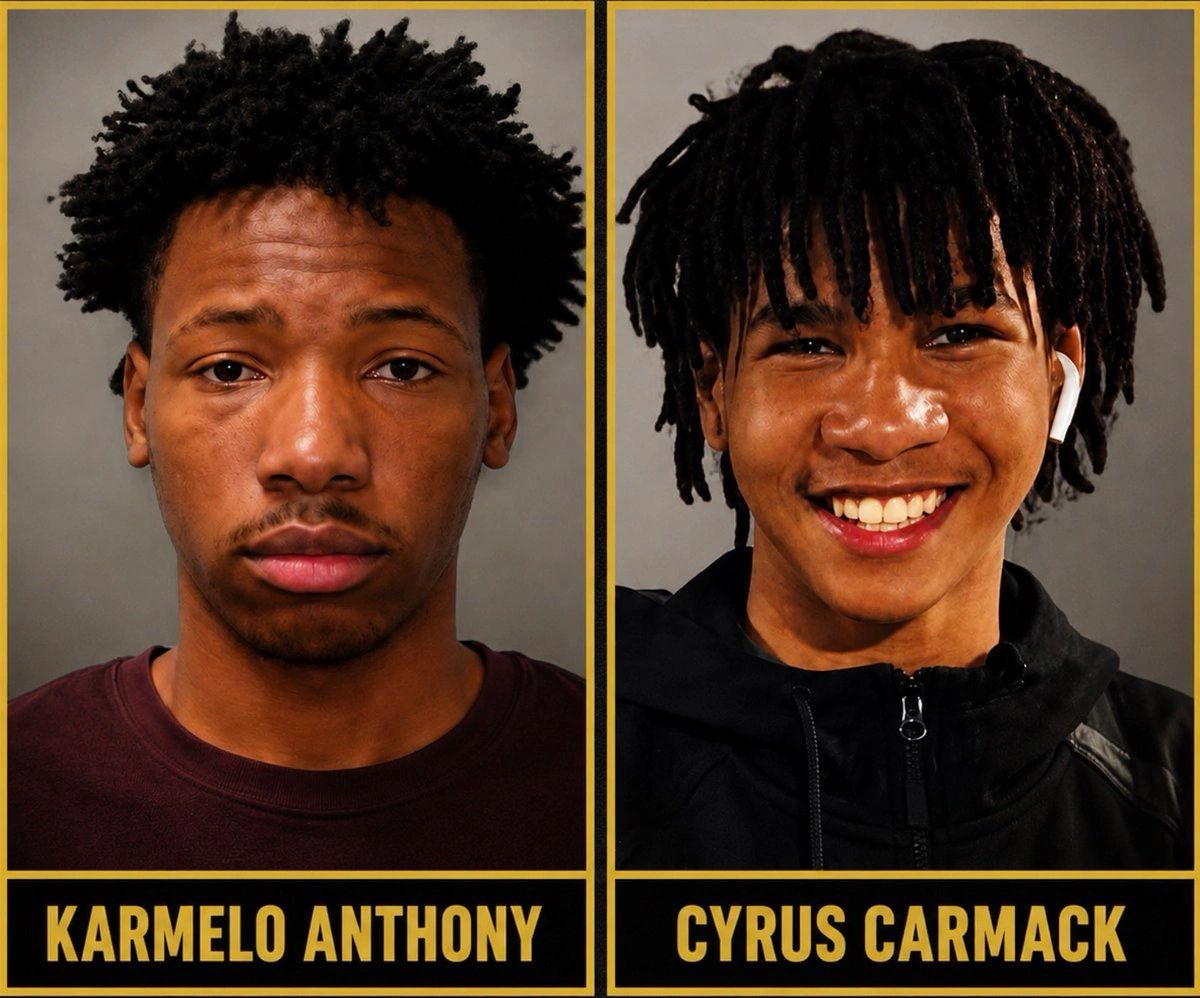
Two recent decisions by courts in Texas and South Carolina shine an unpleasant light on how self-defense claims can advantage and disadvantage African American defendants in criminal trials. In the Cyrus Belton case in Columbia, South Carolina, Chikei Rick Chow, a 61 year Asian storeowner,believed he was in imminent danger of harm from Cyrus Camarck Belton, an African American minor. Chow accused Belton of stealing from his store. Chow shot and killed Belton as he exited and he died less than 150 feet from the store. In the Karmelo Anthony case, Anthony, an African American athlete at Frisco Independent School Distrct in Texas, asserted self defense in response to the jeers of Austin Metcalf, a white track athlete, at a school track meet. Anthony, while taking shelter in the tent of an opposing team, said he felt threatened by Metcalf and his brother and in jeopardy of bodily harm. Anthony pulled out a pocket knife and stabbed Metcalf in the chest. Metcalf died as a resut of his injuries. Belton’s attacker prevailed on his self-defense assertion. Chow was found not guilty of Belton's murder. Anthony did not prevail at trial and was found guilty of first degree murder and sentenced to 35 years in prison. This is not a new pattern, but it remains deeply disturbing and problematic.
Stand your ground and self defense claims have become commonplace in recent years. Yet, African Americans typically are not granted the same consideration in asserting this right as other racial and ethnic groups. This pattern raises significant concerns about due process and consideration in the law. Standards for self-defense vary state by state. The requirements to assert self-defense in one state do not apply in others. Because little recourse is available for Black defendants, they are forced to resort to other means to bring attention to their cases.
The shock and outrage regarding the Belton case led to nationwide calls to boycott Asian American businesses. The defendant in the case Chikei Rick Chow is is the target of the boycott and has experienced a serious decline in business at two establishments he owns. At present, after being sentenced to life in prison, Carmelo Anthony is appealing his case. He has retained several high powered attorneys to mount his appeal. His appeal seeks to expose errors in the initial proceeding. Some of those errors are related to jury selection, the exclusion of information favorable to the defense. The latest news from the case is promising. Judge John Roach, the judge who sentenced Anthony, was recused from the trial. Roach made statements praising the trial verdict. The defense believed these actions compromised the impartiality of the proceedings. Retired Judge John Chitty has been appointed to hear the new trial motion.
The Carmelo Anthony and Cyrus Belton cases are just two tragic reminders of the way self defense is applied unevenly or not at all for African Americans. Civil rights advocates, the legal establishment and jurists alike need to examine the patchwork nature of these laws nationwide. It is not unreasonable to conclude that these laws tend to favor whites who assert this claim than other citizens. The results of these decisions are devastating for Black defendants.
#Cyrus Belton #RickChow #CarmeloAnthony #SelfDefense #AustinMetcalf
Ask the Historian
Have a question about this story, or an idea for a future post? Send it here.